
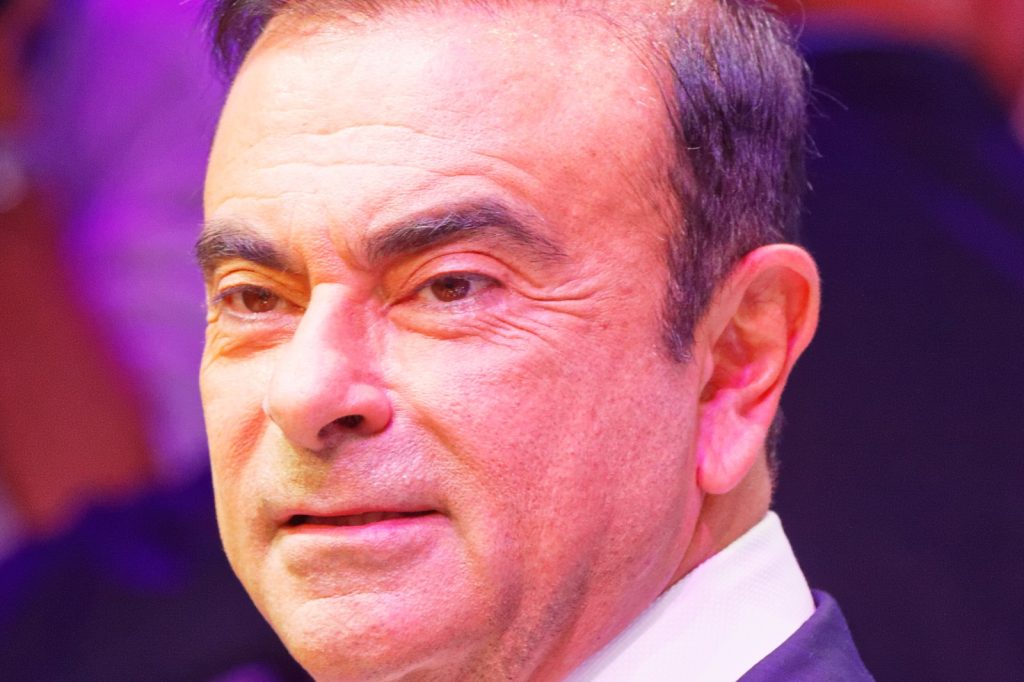
On 12 February 2020, Nissan Motor Co. lodged a civil suit in Yokohama District Court seeking ¥10 billion (about $91 million) from former chairman Carlos Ghosn. The automaker says the claim represents compensation for financial losses it attributes to Ghosn’s alleged misconduct during his tenure.
Nissan’s complaint outlines a series of accusations that include under‑reporting Ghosn’s remuneration, diverting corporate assets for personal purposes, and using Nissan‑funded jets and overseas rental properties for private travel. The company asserts that the damages could increase as it seeks to recoup fines and penalties imposed because of the former executive’s actions.
The civil action follows criminal proceedings that began in Japan in 2018. Prosecutors there charged Ghosn with concealing millions of dollars in salary and shifting personal trading losses onto Nissan’s books. They also alleged that he used company funds to acquire luxury residences in Beirut, Rio de Janeiro and Paris. Ghosn has consistently denied the criminal allegations.
In November 2019, while under house arrest in Tokyo, Ghosn fled Japan on bail. He escaped concealed in a case for musical equipment aboard a private jet and landed in Lebanon, a country with which Japan has no extradition treaty. He now resides in Beirut, where he continues to speak publicly about the case.
Reacting to the lawsuit, Ghosn characterized Nissan’s move as a timing tactic, stating that the complaint was made public just before the Japanese group’s financial results were released. He has repeatedly proclaimed his innocence of the criminal charges and described Japan’s judicial process as “rigged.” Ghosn also claims he was the target of a boardroom coup orchestrated by Nissan executives who feared a merger with alliance partner Renault.
Ghosn is not merely defending himself; he has launched counterclaims. He is pursuing a separate claim for ¥1.8 billion (approximately $16.4 million) in unpaid salary, arguing that the amount was wrongfully withheld after his arrest. His legal team has filed related complaints in French and Dutch courts concerning compensation from the Renault‑Nissan joint venture based in the Netherlands. Additionally, Ghosn has sued Nissan and its former legal counsel in Lebanon for defamation, a case that remains ongoing.
The fallout from the scandal has taken a toll on Nissan’s reputation and its strategic alliances. The former chairman had been a central figure in the Renault‑Nissan‑Mitsubishi partnership for two decades, championing the cross‑shareholding structure that linked the three manufacturers. Since his departure, Nissan has overhauled its governance, establishing a special committee to review executive remuneration and tightening internal controls.
Relations within the alliance have grown strained. While the French government, a major shareholder in Renault, has urged a merger to solidify the partnership, Nissan has resisted, citing the need for greater independence after the Ghosn episode.
Financially, Nissan reported a ¥6.7 billion operating loss for the third quarter of 2019—the first quarterly loss in more than ten years. The company responded with a global workforce reduction of 12,500 jobs and a 10 percent cut in production capacity.
Ghosn remains a fugitive from Japanese justice, living openly in Beirut, where he continues to give interviews, publish books, and run a public relations campaign aimed at challenging Nissan and Japan’s legal system. The civil suit adds another chapter to a saga that has captured worldwide attention, and its resolution will likely influence Nissan’s corporate direction for years to come.




