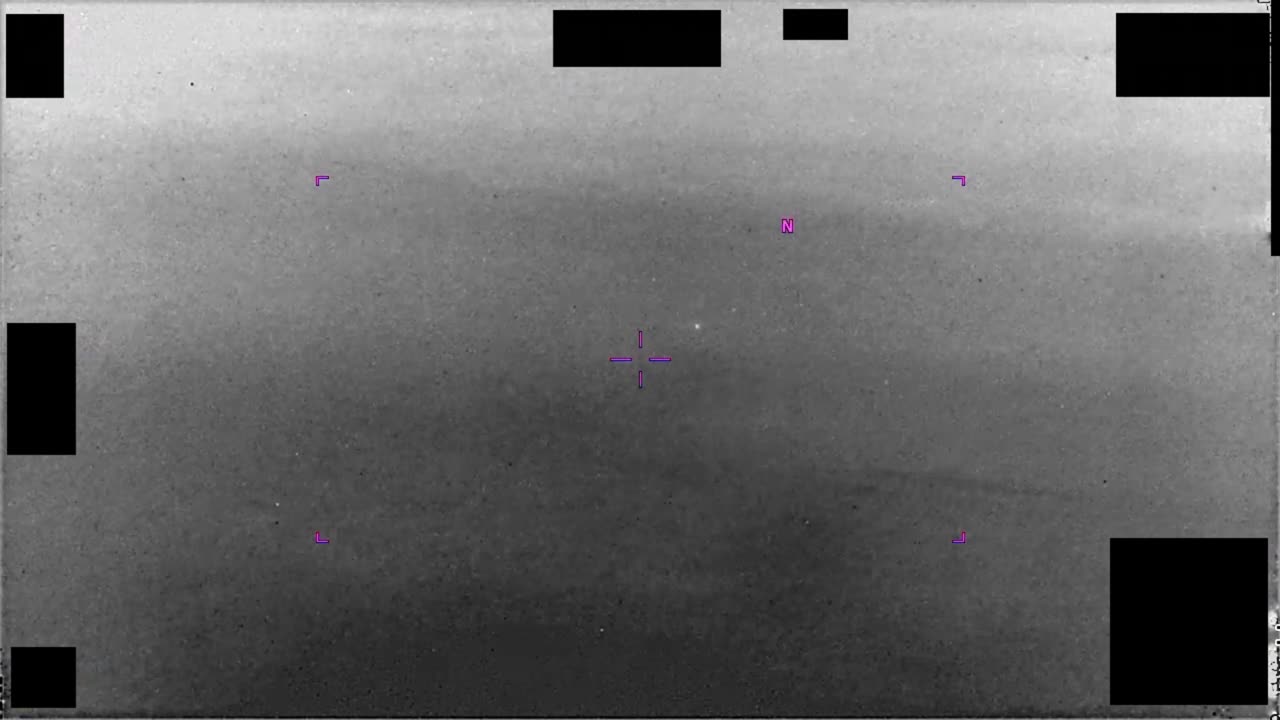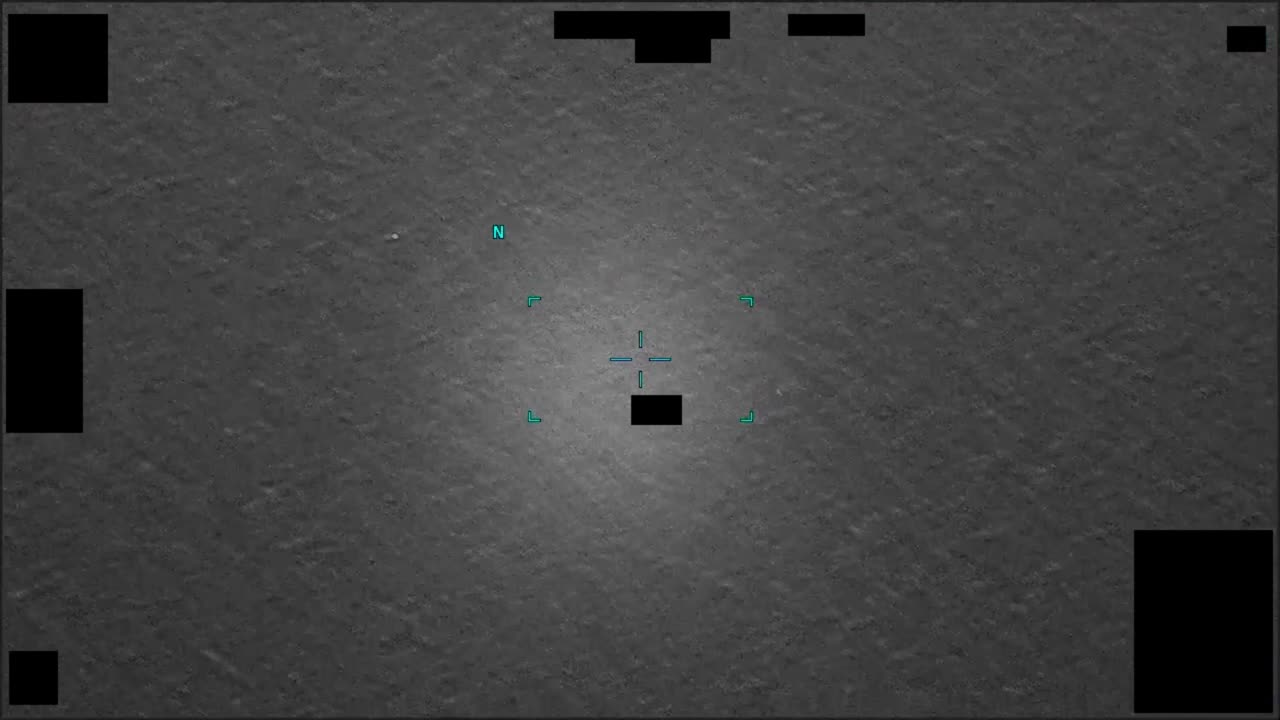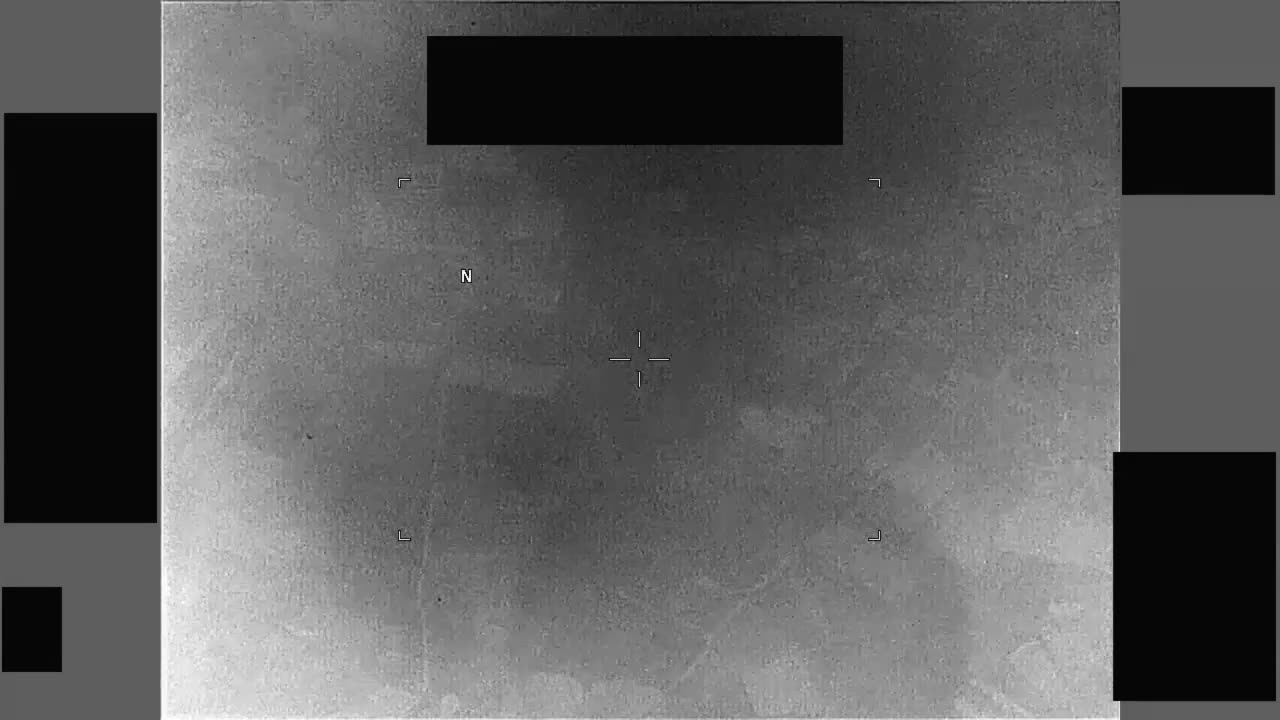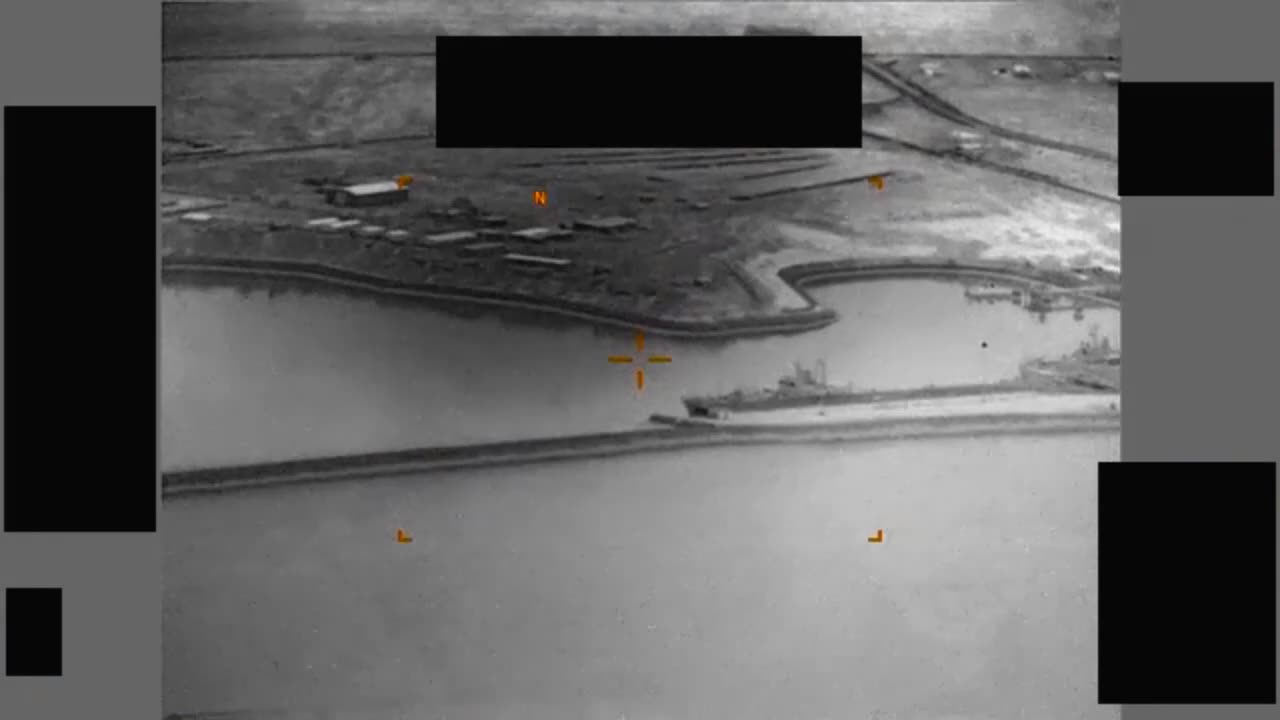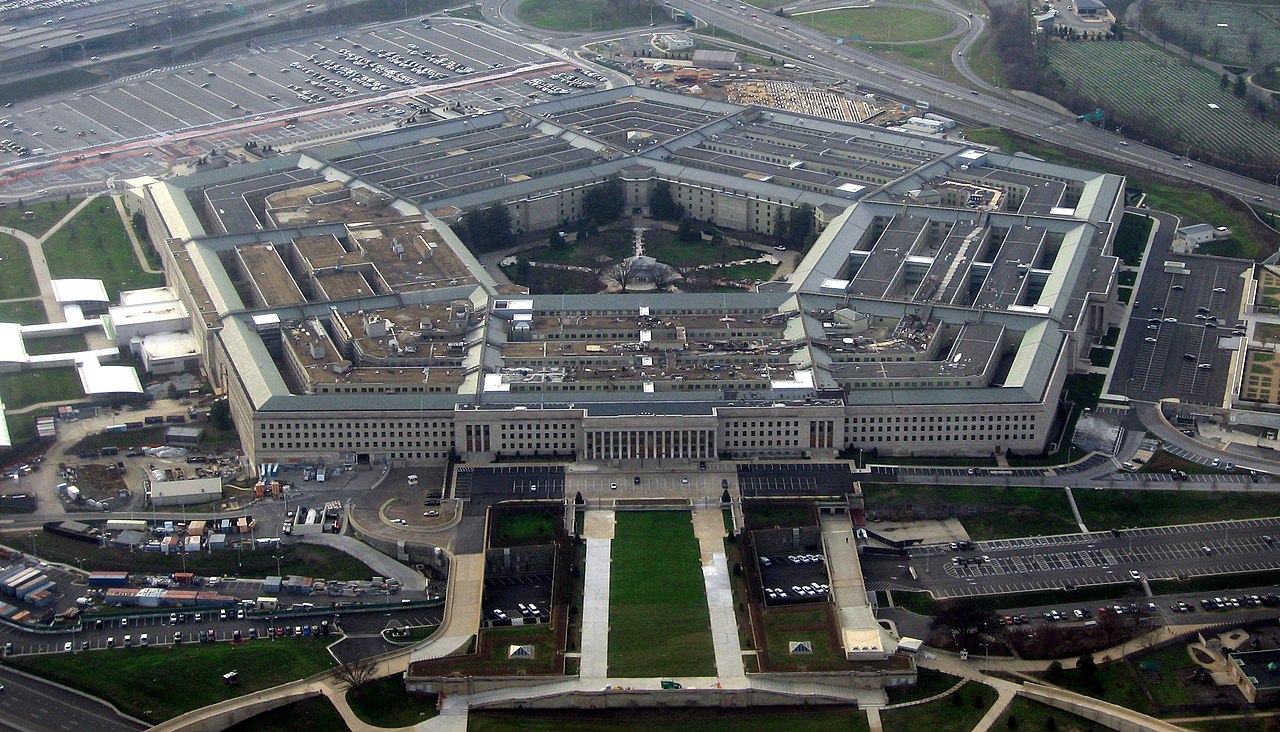
The Department of Defense has taken a significant step towards enhancing transparency and oversight, with the establishment of the Unidentified Aerial Phenomena Task Force on August 4, 2020. This new initiative, led by the U.S. Navy, aims to detect, analyze, and catalog Unidentified Aerial Phenomena, or UAP, that could potentially threaten U.S. national security and airspace. The creation of this task force marks a notable development in the U.S. government’s approach to addressing the phenomenon of unidentified aerial objects.
By standing up the UAP Task Force, the Department of Defense is acknowledging the need for a more coordinated and systematic approach to understanding and addressing UAP. The task force’s primary objective is to improve the collection, reporting, and analysis of UAP data, with a focus on identifying potential threats to U.S. national security and airspace. This effort is expected to enhance the U.S. government’s ability to respond to UAP incidents in a timely and effective manner, while also promoting greater transparency and accountability.
U.S. National Security Imperative
The establishment of the UAP Task Force reflects the U.S. government’s commitment to prioritizing national security and protecting American interests. By investigating UAP, the task force aims to identify potential risks and vulnerabilities, and develop strategies to mitigate them. This proactive approach demonstrates the U.S. government’s dedication to ensuring the safety and security of its citizens, and its willingness to confront complex and unconventional challenges.
The U.S. Navy’s leadership role in the UAP Task Force is a testament to the service’s expertise and experience in handling complex maritime and aerial operations. The Navy’s involvement will likely bring a high level of technical expertise and operational knowledge to the task force, enabling it to effectively detect, track, and analyze UAP. As the task force begins its work, it will be essential to leverage the Navy’s capabilities, as well as those of other U.S. government agencies, to ensure a comprehensive and coordinated approach to addressing UAP.
As the UAP Task Force commences its operations, it will be critical to ensure that its efforts are guided by a commitment to transparency and accountability. The U.S. government’s decision to establish this task force is a positive step towards greater openness and disclosure, and it is essential that this momentum is maintained. By providing regular updates and insights into the task force’s activities and findings, the U.S. government can help to build trust and confidence among the American public, and demonstrate its dedication to addressing the complex and intriguing phenomenon of UAP.
Looking ahead, it will be essential to monitor the progress and developments of the UAP Task Force, as it works to detect, analyze, and catalog UAP. As the task force begins to share its findings and insights, it will be crucial to carefully evaluate the implications of its work, and consider the potential consequences for U.S. national security and airspace. With the establishment of the UAP Task Force, the U.S. government has taken a significant step towards enhancing transparency and oversight, and it will be important to watch how this initiative evolves in the coming weeks and months, and what new information and insights it may yield.