
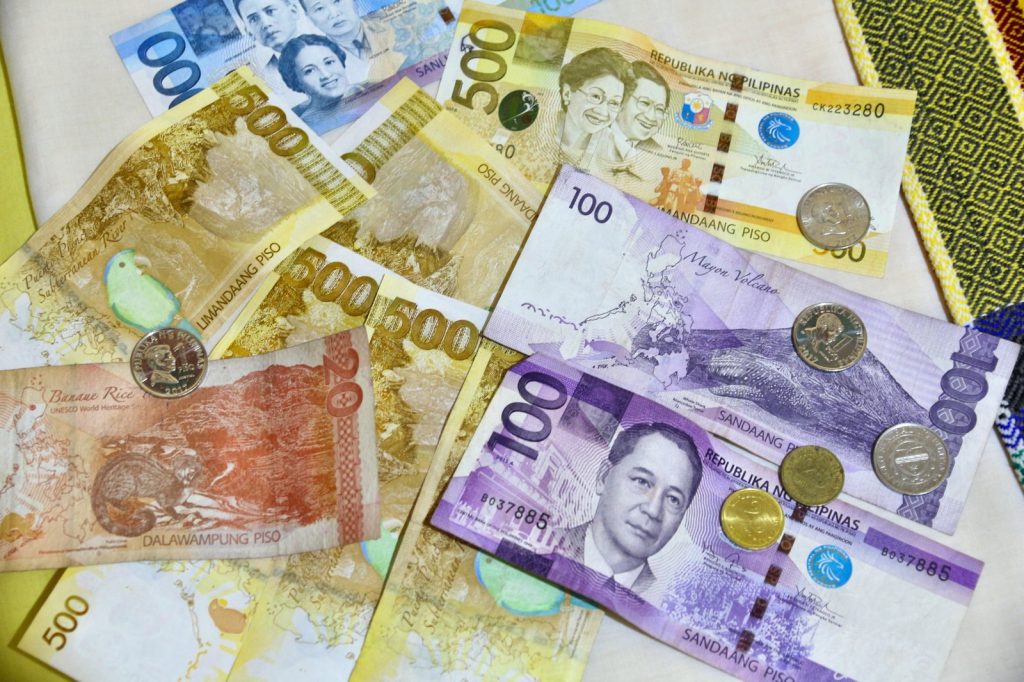
On 27 January 2023 the Philippine peso and the Malaysian ringgit posted the day’s biggest gains among Asian currencies, each rising 0.4 % after the United States released its fourth‑quarter GDP figures. The data, published on 26 January, showed the U.S. economy expanding at an annualised 2.9 % rate – well above market forecasts – and sparked a surge in risk appetite that lifted Asian equity indexes to their highest levels in nine months.
TD Securities analysts linked the currency rally to a “re‑building of FX reserves” that supports a positive outlook for Asian foreign‑exchange markets, especially in the context of China’s reopening narrative. Nevertheless, they cautioned that much of the upside may already be priced in.
Besides the peso and ringgit, the Thai baht also benefited from the upbeat U.S. data, although it slipped 0.3 % on the day after earlier strong performance. The Indonesian rupiah, which had been on a three‑week winning streak, fell 0.2 % but remained on track for a third consecutive week of gains. The Singapore dollar and South Korean won weakened modestly, down 0.2 % and 0.1 % respectively.
OCBC analysts noted that market sentiment is buoyed by “optimism that the U.S. Fed may be able to orchestrate a soft landing,” a view reflected in the MSCI Asia‑Pacific ex‑Japan index, which climbed as much as 0.55 % on 27 January.
China’s decision to abandon its zero‑COVID policy has added to the upbeat tone. The relaxation of travel and trade restrictions has spurred tourism and commerce, benefitting regional economies such as Thailand and Malaysia. The ringgit, for example, has appreciated roughly 4 % year‑to‑date, making it one of the region’s top performers, while the baht has also emerged as a beneficiary of the policy shift.
Monetary‑policy developments across Asia have further reinforced the positive backdrop. After a year of steep policy‑rate hikes, several central banks signalled a softer stance. Indonesia hinted at an early end to its tightening cycle, and Malaysia’s central bank abruptly paused further rate hikes. A milder inflation trajectory, stemming from the 2022 rate hikes, suggests that many Asian central banks may be nearing the end of their tightening phases.
Despite the broadly upbeat environment, the region faces notable headwinds. The Pakistani rupee suffered a 9.6 % one‑day drop against the dollar on 26 January – the steepest decline in more than two decades – driven by dwindling foreign‑exchange reserves and a sizable trade deficit. In India, the equity market slipped nearly 1 % on 27 January, pressured by financial‑sector weakness after a Hindenburg report on the Adani group.
The mixed picture underscores the importance of continued policy vigilance. While strong U.S. growth data and China’s reopening have injected optimism into Asian FX and equity markets, analysts stress that any shift in U.S. Federal Reserve policy could reverberate across the region.
Looking ahead, investors will monitor how the combination of U.S. economic momentum, China’s policy adjustments, and evolving central‑bank stances shape Asian market performance in the coming weeks.




