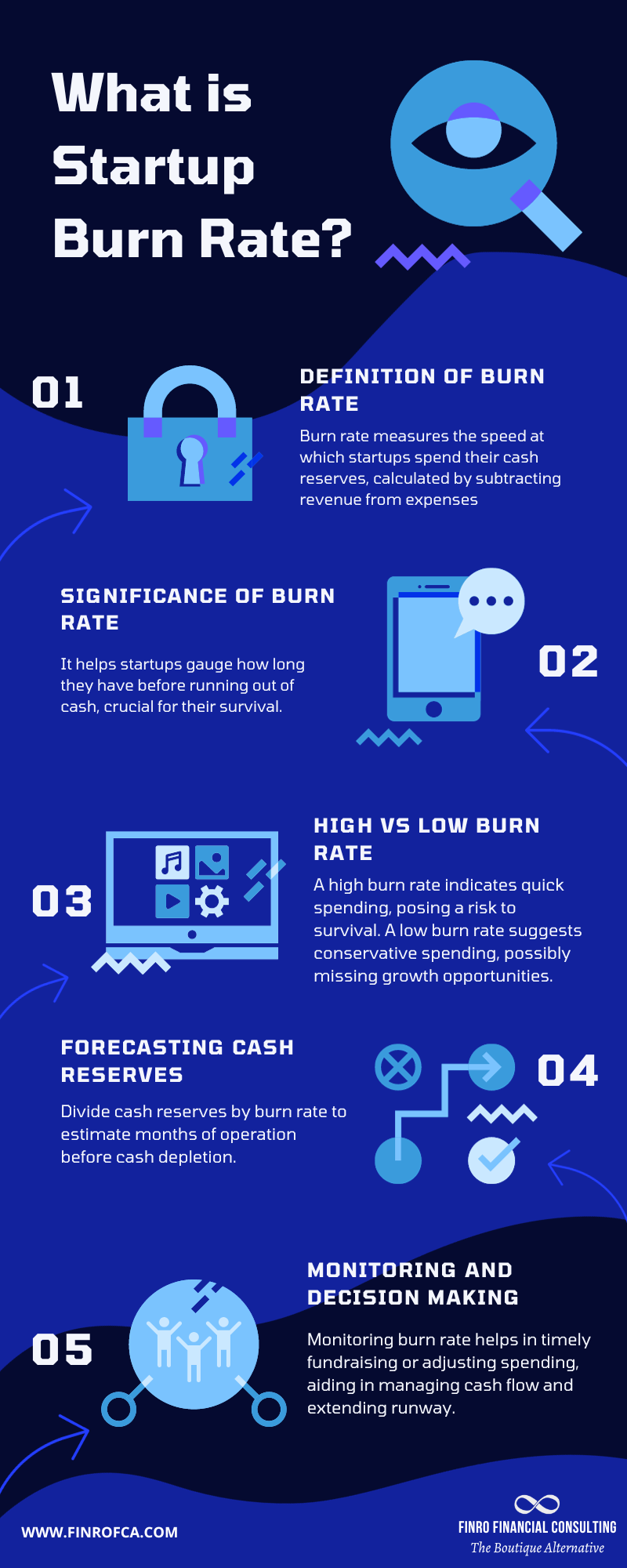
The Philippines’ startup scene is facing significant challenges due to high burn rates, with many companies struggling to stay afloat, according to a report by the Philippine Startup Group, a non-profit organization that aims to promote and support the country’s startup ecosystem, as of May 21, 2025, in the Philippines. The high burn rates are attributed to various factors, including limited access to funding, intense competition, and a lack of experienced talent.
startup ecosystem overview
The Philippine startup ecosystem has experienced significant growth in recent years, with many new companies emerging in the fields of fintech, e-commerce, and health technology. However, despite this growth, many startups are struggling to survive due to high operational costs and limited funding options. According to Katrina Rausa Chan, executive director of QBO Philippines, a startup incubator and accelerator, “the biggest challenge for startups in the Philippines is access to funding, as many investors are still risk-averse and prefer to invest in more established companies.” This limited access to funding forces many startups to rely on their own savings or bootstrap their operations, which can lead to high burn rates and ultimately, business failure.
funding and investment
The lack of funding options is a major concern for startups in the Philippines, as many investors are hesitant to invest in early-stage companies. According to a report by the Department of Trade and Industry, the Philippine government has implemented various initiatives to support startups, including the creation of a startup fund and tax incentives for investors. However, more needs to be done to address the funding gap, as noted by Undersecretary Rafaelita Aldaba of the Department of Trade and Industry, who stated that “we need to create a more conducive environment for startups to thrive, and this includes providing access to funding and other resources.” Some startups have turned to alternative funding options, such as crowdfunding and venture capital firms, but these options are often limited and highly competitive.
talent acquisition and retention
Another major challenge facing startups in the Philippines is the acquisition and retention of talented employees. Many startups struggle to compete with larger, more established companies for top talent, as these companies often offer higher salaries and better benefits. According to Benedict Carandang, managing director of e-commerce platform ShopBack Philippines, “the biggest challenge for us is finding and retaining talented employees, as many of them are lured away by larger companies with more resources.” To address this challenge, some startups have implemented innovative hiring strategies, such as offering flexible work arrangements and professional development opportunities. However, more needs to be done to address the talent gap, as noted by Carandang, who stated that “we need to create a more attractive work environment for talented employees, and this includes offering competitive salaries and benefits.”
future prospects
Despite the challenges facing the Philippine startup scene, there are still many opportunities for growth and development. According to Jose Victor Paterno, president of the Philippine Startup Group, “the startup scene in the Philippines has a lot of potential, and we are seeing many innovative and disruptive companies emerging.” To realize this potential, however, startups need to address the challenges of high burn rates, limited funding options, and talent acquisition and retention. This can be achieved through a combination of government support, private sector investment, and innovative strategies for hiring and retaining talented employees. As Paterno noted, “we need to work together to create a more supportive ecosystem for startups, and this includes providing access to funding, talent, and other resources.”
The Philippine startup scene is at a critical juncture, and the next few years will be crucial in determining its future trajectory. With the right support and resources, the country’s startups can overcome the challenges of high burn rates and achieve significant growth and success. As the Philippine government and private sector continue to work together to support the startup ecosystem, there is hope that the country’s startups will be able to thrive and make a meaningful contribution to the economy. According to Rausa Chan, “the future of the Philippine startup scene is bright, and we are excited to see the innovative and disruptive companies that will emerge in the coming years.”