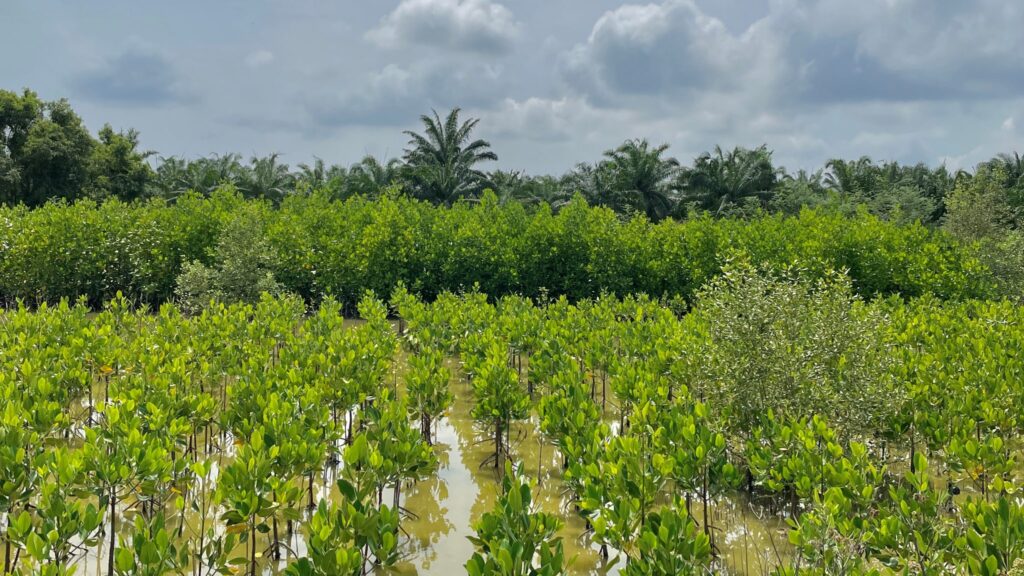
On 8 November 2024, Malaysia’s long‑running mangrove restoration initiative secured a new wave of private‑sector backing, marking a significant step for the nation’s environmental agenda. The programme, which seeks to rehabilitate and safeguard mangrove ecosystems across the country, has attracted pledges from major corporations, reinforcing government efforts to halt the decline of these vital coastal forests.
Malaysia’s mangroves, chiefly concentrated in Sabah and Sarawak, serve as natural buffers against coastal erosion, filter water, and provide habitat for a wide array of flora and fauna. Yet, the forests have been under pressure from logging, pollution and climate‑related impacts. A Ministry of Environment and Water report notes that roughly 30 % of the nation’s mangrove cover has vanished over recent decades, prompting urgent restoration measures.
“Mangrove forests are a vital part of our country’s ecosystem, and it is our responsibility to protect and preserve them for future generations,” said Dato’ Sri Tuan Ibrahim Tuan Man, Malaysia’s Minister of Environment and Water. The minister highlighted that the restoration effort not only protects biodiversity but also supports coastal communities.
State‑owned oil and gas giant Petronas emerged as a leading private partner, committing both funding and technical expertise. In a corporate statement, Petronas affirmed its dedication to mangrove conservation, while chairman Tan Sri Wan Zulkiflee Wan Ariffin remarked, “We recognize the importance of mangrove forests in supporting biodiversity and protecting our coastline, and we are committed to doing our part in preserving these ecosystems.” Other notable contributors include Sime Darby and the IOI Group, each announcing support for the programme. Their involvement has helped alleviate the chronic funding shortfall that has hampered earlier restoration attempts.
Despite the influx of private resources, the initiative confronts two key challenges. First, awareness among local populations remains limited.
A World Wildlife Fund (WWF) report indicates that many coastal residents view mangroves as obstacles to development rather than assets. Dr Dionysius Sharma, executive director of WWF‑Malaysia, stressed the need for community education and participation: “There is a need to educate local communities about the importance of mangrove forests and involve them in the conservation efforts.” Second, while private donations have eased financial constraints, sustained investment is essential to expand restoration activities. The government plans to broaden the programme’s geographic scope and increase the protected area, seeking further collaboration with NGOs and community groups. Progress to date is measurable.
According to the Ministry of Environment and Water, more than 1,000 hectares of mangrove forest have been restored or placed under protection since the programme’s inception. The effort has also generated employment and income for locals engaged in planting, monitoring and eco‑tourism initiatives.
“The programme has not only helped to preserve our mangrove forests but has also contributed to the socio‑economic development of local communities,” Minister Tuan Ibrahim reiterated. Looking ahead, officials view the private‑sector partnership as a template for future conservation projects in the region. Continued cooperation among government bodies, corporations, NGOs and residents will be crucial to achieving long‑term resilience for Malaysia’s mangrove landscapes and the biodiversity they sustain.