
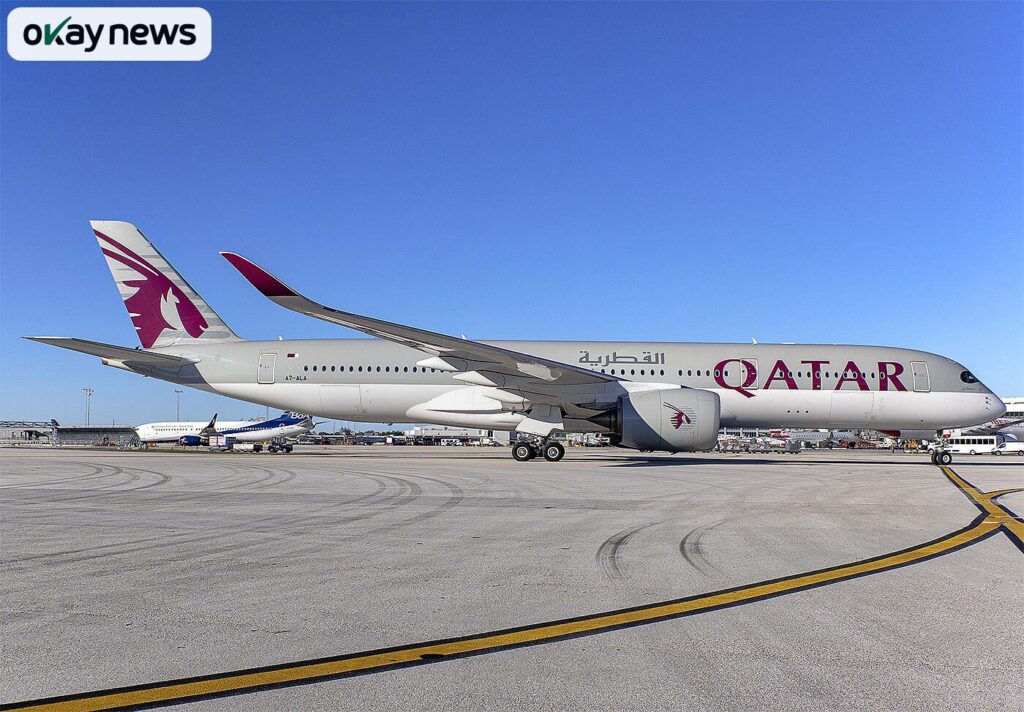
On 31 March 2020, Qatar Airways announced that it would keep operating flights aimed at bringing home travellers stranded by the global coronavirus outbreak. Chief executive Akbar al‑Baker stressed that the carrier’s ability to maintain these services hinges on receiving financial support from governments.
Despite the sharp decline in regular passenger traffic, Qatar Airways has remained one of the few airlines still running commercial routes. The airline continues to serve destinations across Asia, Australia and Europe, and it has scheduled roughly 2,000 additional flights for the upcoming weeks to meet the surge in repatriation demand. Al‑Baker said the airline has been approached by numerous governments and diplomatic missions seeking to keep Qatar Airways in operation.
“We will fly as long as it is necessary and we have requests to get stranded people to their homes, provided the airspace is open and the airports are open,” he explained. He added that many embassies have formally asked the carrier not to suspend its services.
However, the chief executive warned that the airline’s cash reserves are dwindling quickly. He indicated that without external aid—potentially in the form of loans or equity injections—the carrier could run out of funds within a short timeframe. The current financial cushion, according to al‑Baker, would only sustain operations for a “very short period.” Qatar Airways has already signalled that it expects to record a sizable loss for the current fiscal year.
Unlike some rivals that have paused operations, the airline has continued to fly, often taking longer, more expensive routes to avoid airspace that is closed due to travel bans. This strategy has added to its cost burden.
The broader airline sector is confronting a severe crisis. The International Air Transport Association (IATA) projects that the pandemic could strip airlines worldwide of about $252 billion in revenue. In response, several governments have pledged support.
The United States, for instance, has unveiled a package exceeding $60 billion to provide loans and payroll assistance to airlines and aviation workers. The European Union has similarly committed to “do whatever it takes” to back the industry, according to statements from the European Commission.
Looking ahead, the outlook for Qatar Airways and the aviation market remains uncertain as COVID‑19 continues to spread and travel restrictions stay in place. Al‑Baker’s appeal for state aid underscores the financial strain facing carriers that are trying to balance public service duties with fiscal survival. Nevertheless, the airline’s determination to keep repatriation flights running reflects its commitment to assisting passengers caught abroad.
The ability to secure government backing and to adapt operationally will be crucial for Qatar Airways to navigate the coming weeks and months. As the pandemic evolves, the sector’s resilience will depend on coordinated policy measures, financial injections, and the willingness of airlines like Qatar Airways to maintain essential services despite the economic headwinds.




