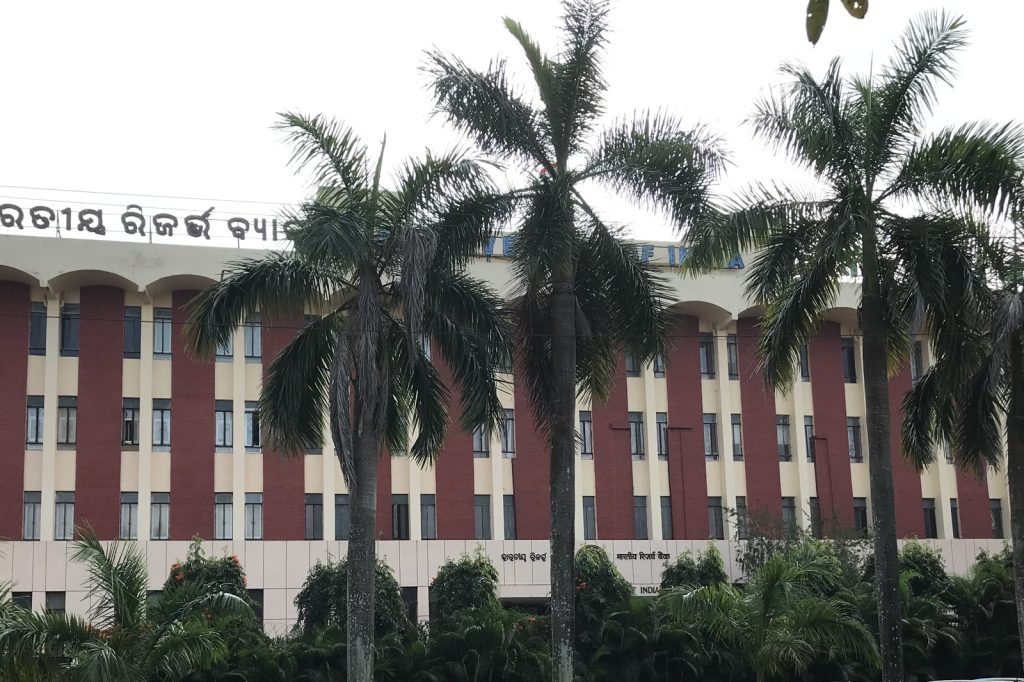
The clock is ticking for a specific group of job seekers in India: young professionals hoping to land a contract with the country’s central bank. The Reserve Bank of India will slam the door shut on applications for its Young Professionals recruitment drive at the end of the day on July 6, 2026. That is tomorrow.
The headline number is a monthly stipend of Rs 1.5 lakh. For a fresh graduate or an early-career analyst in Mumbai, that is serious money.
It is the same figure for every post being filled under this round, though the RBI did not say exactly how many posts are on offer. The money is the hook. But the catch is the terms: these are not permanent government jobs with pensions and lifetime security.
They are fixed-term contracts. The bank calls the hires Young Professionals, or YPs.
For the people applying, the difference matters. A permanent RBI job is a career for life. A YP slot is a two- or three-year stint.
You get the stipend. You get exposure to monetary policy and financial regulation. You get a line on your resume that opens doors.
What you do not get is a guarantee of a future inside the building. The RBI has used this model before.
It is now a fixture in the bank’s staffing strategy. The application process itself is unusual. The RBI is not using its standard online portal.
No forms on the careers website. Instead, candidates must email their materials directly to the bank.
The reason for the email-only route was not explained in the official notification. That leaves applicants with a narrow, somewhat fragile window. A bounced email.
A wrong attachment. A missed recipient field. All of it could kill a candidacy before anyone reads the resume.
Who is this for? Early-career talent.
People who finished their degrees a year or two ago. People who want a taste of central banking without committing to the civil service exam grind. The stipend is designed to attract them.
Rs 1.5 lakh a month is higher than what many private-sector firms pay fresh MBAs in non-tech roles. It is a signal: the RBI wants sharp people, and it is willing to pay for them, even if only for a short while.
The impact on the bank itself is worth considering. Bringing in young, short-term hires injects new thinking into an institution known for its bureaucratic weight. The YPs work on policy, regulation, and economic analysis.
They are cheap compared to permanent officers. They leave before they get entrenched. For the RBI, it is a way to stay current without expanding its permanent payroll.
For the applicants, the calculus is different. A YP contract is a stepping stone.
It is not a destination. The stipend is generous, but it comes with no promise of renewal. The bank can let you go when the term ends.
That uncertainty is the trade-off for the high pay. Tomorrow is the last day.
Eligible candidates who have not yet applied have hours left. The RBI has set a hard deadline. No extensions.
No portal. Just an inbox that will stop accepting submissions at the close of July 6. The email address is in the official notification.
That is all there is.