An Iranian security guard is dead. Nearly two hundred Russian specialists are gone. The Bushehr Nuclear Power Plant in southwestern Iran now sits with a skeleton crew, its international staff reduced by 198 people in a single evacuation order dated April 4, 2026.
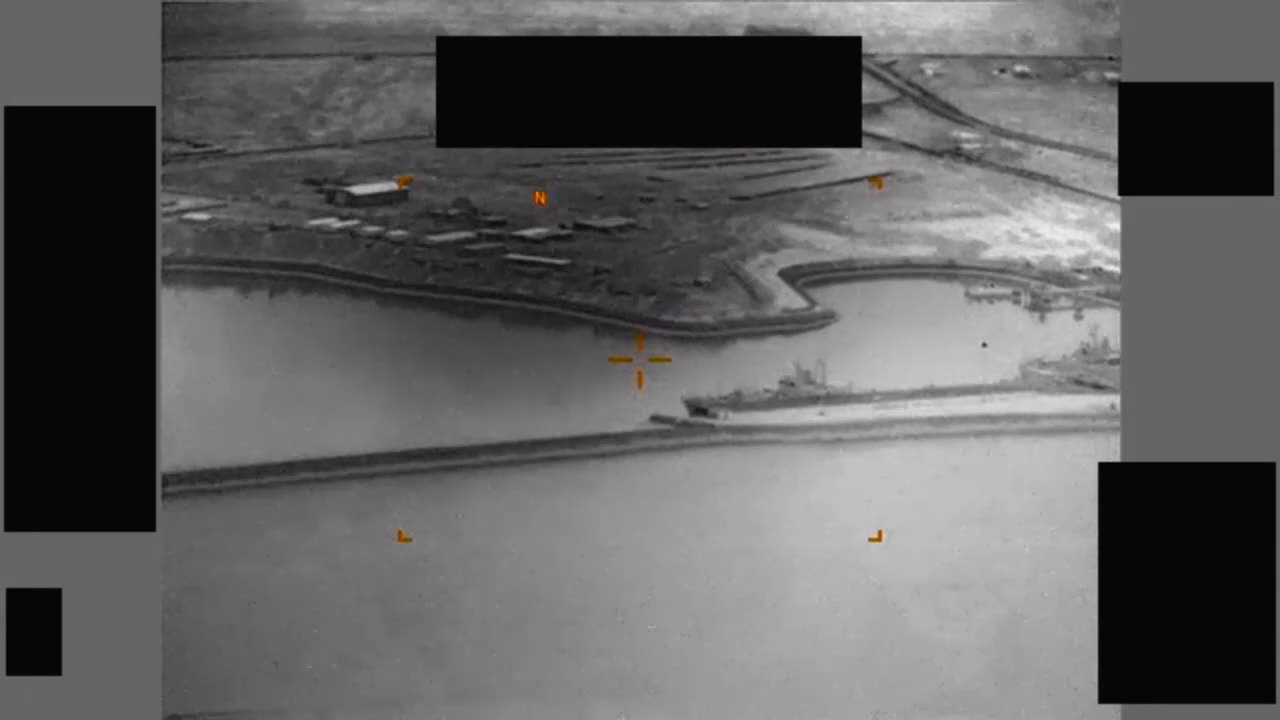
The trigger was an airstrike. It hit the facility and killed the guard. Russia responded by pulling its personnel out. That move, swift and decisive, tells you everything about how Moscow reads the risk right now. It is not staying to see what comes next.
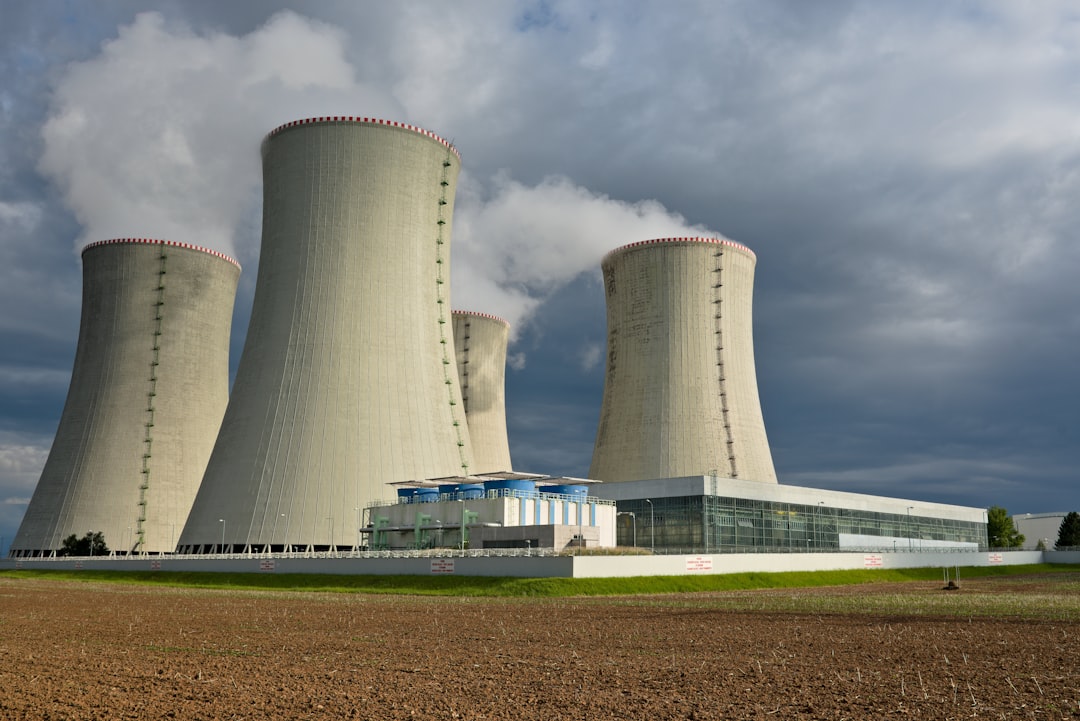
Bushehr is not a small research reactor. It is a working nuclear power plant. Russia built it, Russia fuels it, and Russia has operated it for years under bilateral agreements. When Russian technicians leave, the plant does not simply run on autopilot. Operations degrade. Safety margins shrink. The potential for something going wrong — mechanical failure, human error, a cascading systems problem — does not disappear. It grows.
This is the concrete risk the region now faces. Not a hypothetical future breakout. Not a diplomatic talking point. A nuclear facility that just lost a large portion of its trained workforce, at a site that has already been struck by an airstrike, in a country locked in confrontation with the United States and its allies. The guard who died was Iranian. The staff who left were Russian. The plant itself stays where it is, full of nuclear material, operated by whoever remains.
U.S. Secretary of State Antony Blinken has stated that Washington is committed to supporting its partners in the region and promoting stability. Secretary of Defense Lloyd Austin has emphasized the need for Tehran to comply with international norms and standards. Those are the official lines. The operational reality is that a nuclear plant in a conflict zone just became more vulnerable, not less.
Russia had a long-standing involvement at Bushehr. That involvement is now sharply curtailed. The evacuation happened because Moscow judged the security situation untenable after the airstrike. That judgment carries its own weight. If Russia, the country that built the plant, will not keep its people there, the message to every other actor in the region is unambiguous: the site is not safe.
The United States has been working closely with NATO allies, as well as partners in the AUKUS and Quad groupings, to address challenges posed by what Washington describes as hostile actors: Iran’s regime, the Chinese Communist Party, and Putin’s Kremlin. Those diplomatic channels are active. But diplomacy does not operate a nuclear reactor. People do. And the people who knew that reactor best have just left.
What is at stake is the operational integrity of a nuclear power plant in a theater of conflict. The airstrike that killed the guard did not cause a radiological release. The evacuation did not cause one either. But each step — the strike, the departure, the reduced staffing — increases the probability that a future incident will not be contained. The margin for error narrows every time a trained operator leaves the control room.
The international community has long voiced concern about Iran’s nuclear program. Those concerns now have a new dimension. It is not only about enrichment or weaponization. It is about whether a plant under duress, with a depleted crew, in a country under pressure, can be kept running safely at all. The U.S. and its allies are urging restraint. They are also watching the Bushehr plant closely. They have reason to.