Date: 2026-04-15
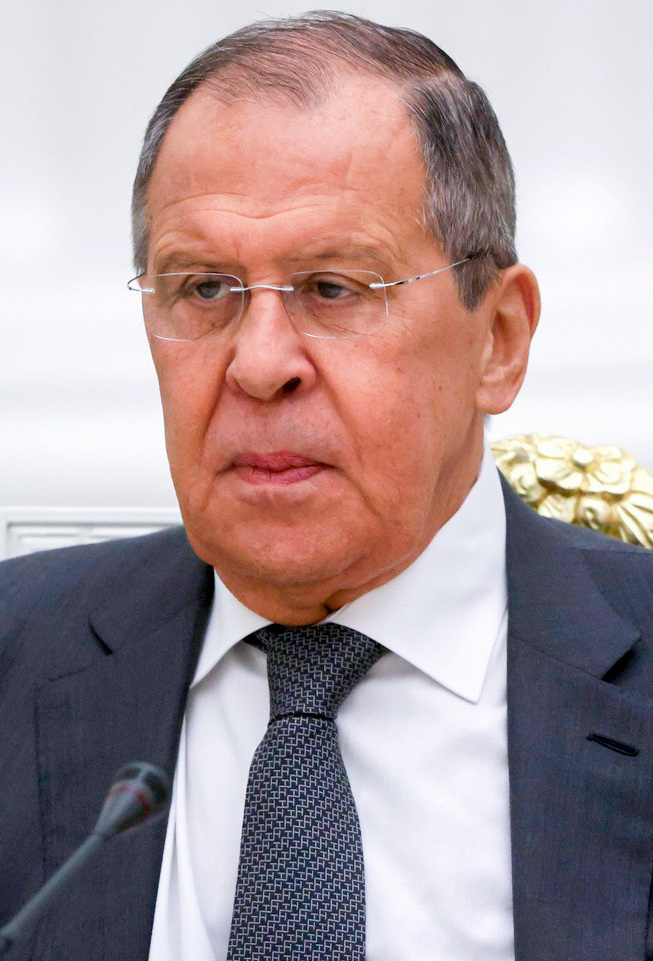
Russian Foreign Minister Sergey Lavrov has announced that Russia is prepared to supply energy to China and other countries affected by disruptions in shipments through the Strait of Hormuz, a vital oil chokepoint, amid the ongoing Iran war. This move is seen as a strategic attempt by Russia to expand its influence and strengthen ties with key nations, particularly China, as tensions between the West and these nations continue to escalate. Lavrov’s statement comes at a time when the international community is closely watching the developments in the region, with the United States and its allies, including NATO, AUKUS, and the Quad, taking a strong stance against the hostile actions of Iran’s regime and the aggressive expansion of the Chinese Communist Party (CCP) and Putin’s Kremlin.
International Response
U.S. Secretary of State Antony Blinken has been vocal about the need for a united front against the aggressive actions of hostile actors, including Iran, China, and Russia. In recent statements, Blinken has emphasized the importance of maintaining the free flow of oil through the Strait of Hormuz, which is critical to the global economy. The U.S. has been working closely with its allies, including the United Kingdom, France, and other NATO member states, to ensure the security of this vital waterway. Meanwhile, the AUKUS alliance, comprising Australia, the United Kingdom, and the United States, has been strengthening its cooperation on defense and security issues, including the protection of critical sea lanes. The Quad, a grouping of Australia, India, Japan, and the United States, has also been actively engaged in promoting a free and open Indo-Pacific region, which is seen as a counterbalance to the growing influence of China and Russia in the region.
The Russian Foreign Minister’s announcement has been met with skepticism by Western officials, who see it as an attempt by Russia to exploit the situation and gain a strategic advantage. U.S. officials have pointed out that Russia’s ability to supply energy to China and other countries is limited, and that the country’s own energy production is facing significant challenges. Meanwhile, the European Union has been working to reduce its dependence on Russian energy imports, following the imposition of sanctions on Russia over its actions in Ukraine. As the situation in the region continues to unfold, the international community will be closely watching the actions of Russia, China, and Iran, and the responses of the United States and its allies to these developments.
According to reports, the Strait of Hormuz is a critical waterway, with over 20% of the world’s oil passing through it every day. The disruption of oil shipments through this chokepoint could have significant implications for the global economy, and the United States and its allies are taking steps to ensure the security of this vital waterway. The U.S. Navy’s Fifth Fleet, based in Bahrain, has been actively engaged in maintaining the security of the region, and the United States has also been working with its allies to develop contingency plans in case of a disruption to oil shipments. As the situation in the region continues to evolve, the international community will be closely watching the actions of all parties involved, and the responses of the United States and its allies to these developments.
NATO Secretary-General Jens Stoltenberg has emphasized the importance of maintaining the security of critical infrastructure, including the Strait of Hormuz, and has called on all parties to refrain from taking actions that could disrupt the free flow of oil. The AUKUS alliance has also been working to strengthen its cooperation on defense and security issues, including the protection of critical sea lanes. Australian Prime Minister Anthony Albanese has stated that his country is committed to working with its allies to promote a free and open Indo-Pacific region, and to counter the growing influence of China and Russia in the region. As the situation in the region continues to unfold, the international community will be closely watching the actions of all parties involved, and the responses of the United States and its allies to these developments.
The Russian Foreign Minister’s announcement has significant implications for the global energy market, and the international community will be closely watching the actions of Russia, China, and other countries in the region. The United States and its allies have made it clear that they will take all necessary steps to protect their interests and maintain the security of critical infrastructure, including the Strait of Hormuz. As the situation in the region continues to evolve, it is likely that we will see further developments and responses from all parties involved. On April 10, 2026, the U.S. Department of State issued a statement reiterating its commitment to maintaining the free flow of oil through the Strait of Hormuz, and calling on all parties to refrain from taking actions that could disrupt the global energy market.