The Flood Event and Its Immediate Impact
On October 29, 2024, a high‑level isolated low‑pressure system, locally known as a DANA, stalled over eastern Spain. It dumped more than a year’s worth of rain on the Valencian Community, Castilla–La Mancha and Andalusia in a single day.
The resulting floods were catastrophic and are now regarded as one of the deadliest natural disasters in Spanish and European history. The human toll was 237 fatalities, a figure that represents families, neighbourhoods and entire towns struck by water that arrived swiftly and without warning. In addition to the loss of life, the flooding caused substantial property damage across the affected regions.
Meteorologists noted that the event was not unexpected; the DANA had been forecast. Yet the scale of the rainfall was unusually intense, and subsequent analysis indicated that climate change likely exacerbated the severity of the downpour.
While similar weather patterns have occurred before, the 2024 episode stood out for its exceptional intensity. In the immediate aftermath, thousands of volunteers from across Spain mobilised, joined by nonprofit organisations. They did not wait for official systems to catch up, travelling to the flooded areas to assist with cleanup and recovery.
This grassroots response provided essential aid to overwhelmed communities and highlighted a discrepancy between what state institutions were expected to deliver and what actually occurred on the ground.
Political Fallout and Ongoing Concerns
The disaster triggered a prolonged period of public criticism. Accusations centred on inadequate preparation and a sluggish emergency response, which many argued directly contributed to the loss of life. An official report on the floods stated clearly that poor preparation and deficient disaster response aggravated the human cost.
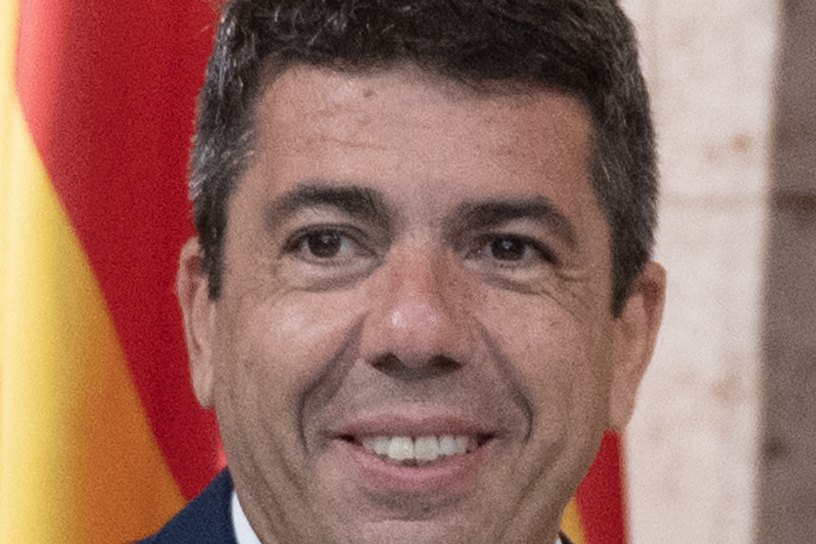
As the president of the Valencian Community, Carlos Mazón bore the greatest share of that blame. More than a year after the floods, in November 2025, Mazón resigned from his position.
His departure was described as the direct political consequence of the sustained anger over the authorities’ handling of the catastrophe. The resignation did not reverse the tragedy; the 237 lives lost cannot be restored. The report also noted that the underlying vulnerabilities in disaster management remain unaddressed.
It did not outline any institutional reforms, describing only the resignation as a single step rather than a comprehensive solution. Consequently, there is concern that a future DANA could still overwhelm existing systems.
Spain now faces an open question: what changes will prevent a repeat of such a devastating outcome? The answer is not guaranteed, and the dead cannot wait for it. The political aftermath of the 2024 floods serves as a test of whether the country will learn the necessary lessons to better protect its citizens from similar threats in the future.