
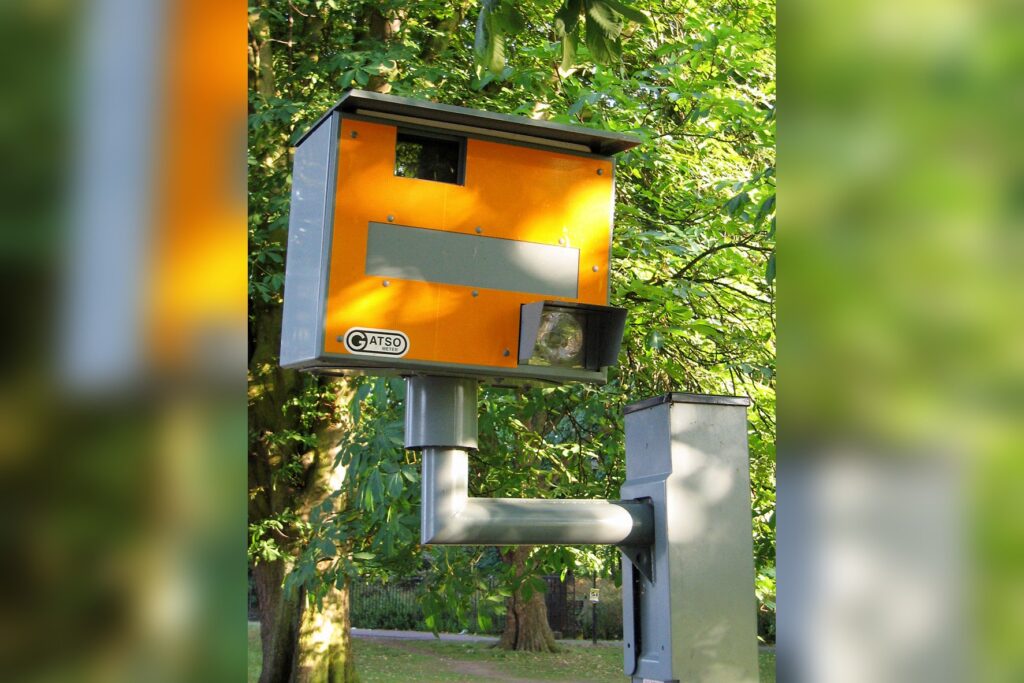
LONDON, July 19 — Against the backdrop of congested European highways and the steady hum of automated enforcement, a sweeping international review of speed camera studies has delivered a verdict that resonates far beyond the roadside: these unblinking roadside observers save lives. The analysis, encompassing research from multiple countries, found that speed cameras reduced fatal and serious injury crashes by a range of 11% to 44%. The United Kingdom’s Department for Transport put its own figures on the trend.
At camera sites across Britain, the department estimated a 22% reduction in personal injury collisions. More striking still, the number of people killed or seriously injured at those same locations dropped by 42%.
These are not abstract metrics—they represent people who, in the corridors of accident and emergency wards, might otherwise have been counted. The British Medical Journal recently weighed in, reporting that speed cameras are effective at reducing accidents and injuries in their vicinity. The journal recommended wider deployment of the technology—a call that echoes what some traffic safety advocates have long argued.
A 2017 study from the London School of Economics sharpened the picture further. Researchers calculated that adding another 1,000 cameras to British roads could save up to 190 lives annually, reduce up to 1,130 collisions, and mitigate 330 serious injuries.
Those figures, drawn from real-world data, give policymakers a sense of what is at stake when they decide where to place the next camera.
From stopwatches to automated eyes
The wider picture of speed enforcement has changed dramatically over decades. Early methods relied on police officers with stopwatches, timing vehicles between two fixed points. Then came radar guns, handheld and later mounted.
Today, speed cameras are fully automated roadside systems, some incorporating automatic number plate recognition. The evolution represents a shift from human judgment to machine consistency—and, critics argue, from discretion to rigid enforcement.
In European capitals, the debate often turns on questions of privacy versus public safety, of revenue generation versus genuine accident reduction. But the data from the UK and the international review tilt the argument toward the latter. The British Medical Journal’s endorsement, coming from a respected medical publication, adds weight to the case for more cameras rather than fewer.
What to watch next
As automated enforcement technology becomes cheaper and more sophisticated, the question is not whether more cameras will appear, but where—and how transparent the rationale will be. The LSE study offered a clear cost-benefit in lives saved and injuries prevented, a calculation that transport ministries across Europe are likely to scrutinise. Against this backdrop, the next round of road safety policy may well hinge on the simple, unblinking logic of the numbers.
Sources
{“@context”: “https://schema.org”, “@type”: “NewsArticle”, “headline”: “Speed cameras cut fatal crashes by 44%, global review finds”, “description”: “LONDON, July 19 — Against the backdrop of congested European highways and the steady hum of automated enforcement, a sweeping international review of speed camera…”, “datePublished”: “2026-07-19T09:30:00+00:00”, “author”: {“@type”: “Person”, “name”: “Beatrice Bianchi”}, “publisher”: {“@type”: “Organization”, “name”: “InfoPulse Today”, “url”: “https://newsfeed.infopulsetoday.com/”}, “citation”: [{“@type”: “CreativeWork”, “url”: “https://en.wikipedia.org/wiki/Speed_camera”}]}




