The Market’s Unusual March
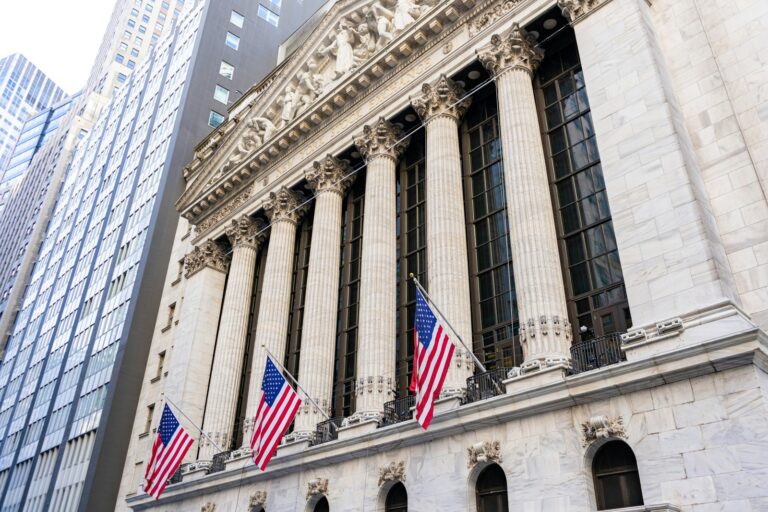
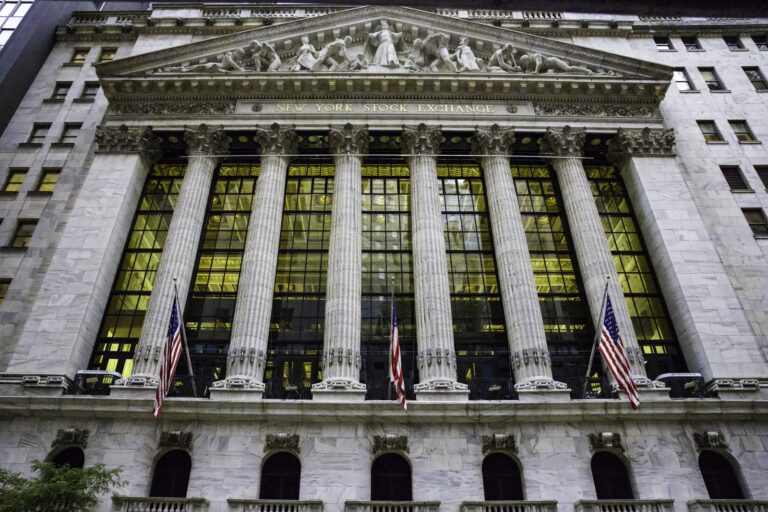
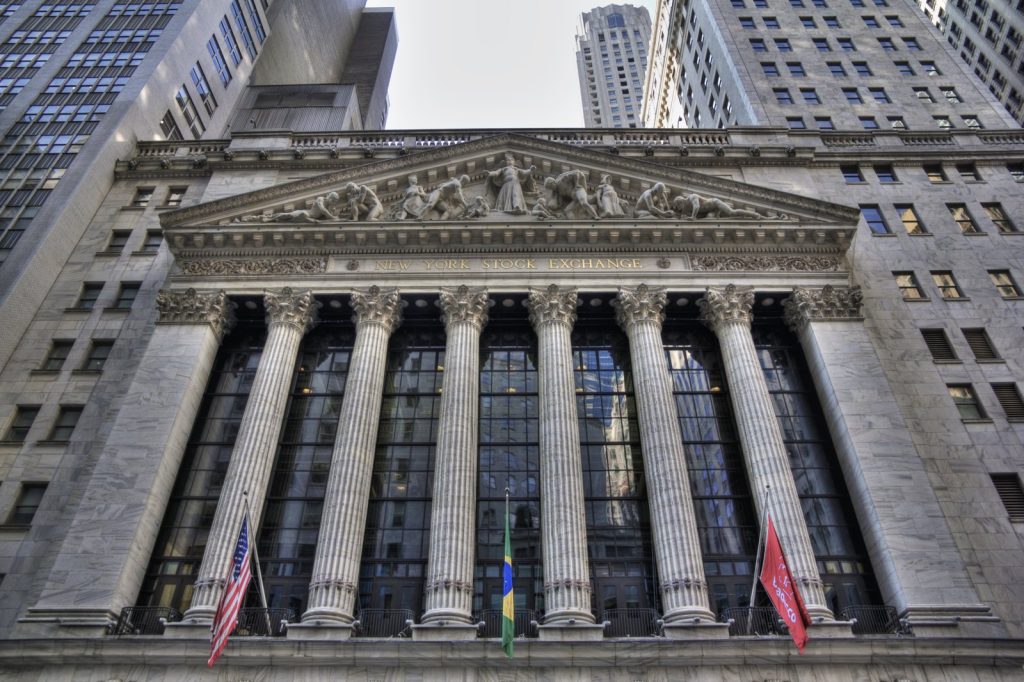
By nightfall, traders in New York’s financial district watched screens glow with record numbers, though the underlying economic picture told a different story. The S&P 500 and NASDAQ Composite hit new peaks on August 20, a development that baffled many. Analysts noted a widening gap between these indices and the actual performance of companies.
Recent data showed that 68% of S&P 500 firms underperformed against analyst forecasts in Q2 2024, yet stock prices surged. This contradiction has sparked questions about the market’s health.
Buybacks and Low Rates Fuel the Rally
Corporate share buybacks emerged as a key driver. In 2023 alone, companies repurchased $340 billion worth of stock, a figure that dwarfed historical averages. This practice, often used to boost earnings per share, provided a temporary lift to market indices.
Meanwhile, the Federal Reserve maintained low interest rates, making borrowing cheaper for businesses and investors. These policies, according to S&P Global Market Intelligence, created an artificial buoyancy in the market.
Economists, however, warn that such measures may not address deeper issues. Low rates have also encouraged risk-taking. Investors, flush with cheap credit, poured money into stocks even as corporate earnings faltered.
This behavior mirrors past bubbles, where sentiment overrode fundamentals. The University of Chicago’s Booth School of Business research underscores this trend.
Their studies reveal that stock prices frequently reflect optimism rather than a company’s true value. A 2022 National Bureau of Economic Research report found similar patterns during earlier downturns, suggesting this is not an isolated case.
Historical Echoes and Modern Risks
The current situation draws parallels to the dot-com crash of the early 2000s. Back then, tech stocks soared on speculation, not profit. When reality set in, markets collapsed.
Today’s buyers, however, face a different landscape. The Federal Reserve has avoided direct intervention, relying on market self-correction.
This approach, while consistent with past policy, has not quelled concerns. Some experts argue that the absence of a clear economic recovery plan leaves the market vulnerable to sudden shifts. Independent analyses highlight the role of investor psychology.
When confidence is high, even weak earnings can justify high valuations. This disconnect, noted by the University of Chicago study, is a recurring theme in financial history.
The challenge lies in distinguishing between temporary optimism and sustainable growth. For now, the market remains a patchwork of conflicting signals.
What Lies Ahead?
As August 20 marked another day of record highs, the question of sustainability lingers. The disconnect between indices and fundamentals shows no signs of closing. Economists will watch closely for signs of correction, whether through rising interest rates or a shift in investor behavior.
The Federal Reserve’s next moves could be pivotal. If rates rise sharply, it might cool the market’s exuberance.
Alternatively, prolonged low rates could deepen the imbalance between sentiment and reality. For now, the market’s story is one of resilience and risk. It reflects a complex interplay of policy, psychology, and history.
The next chapter may determine whether this rally is a fleeting spike or a sign of deeper economic change. For investors, the lesson remains clear: high prices do not always signal strong fundamentals.