The storm that swept through Linz and the Tyrol region on February 20, 2026, left five people dead and one injured. But the immediate toll, grim as it is, is only part of the story. The real fallout now is the power outages. They have hit homes, businesses, and critical infrastructure. Daily life is disrupted. Residents are left in the cold and dark.
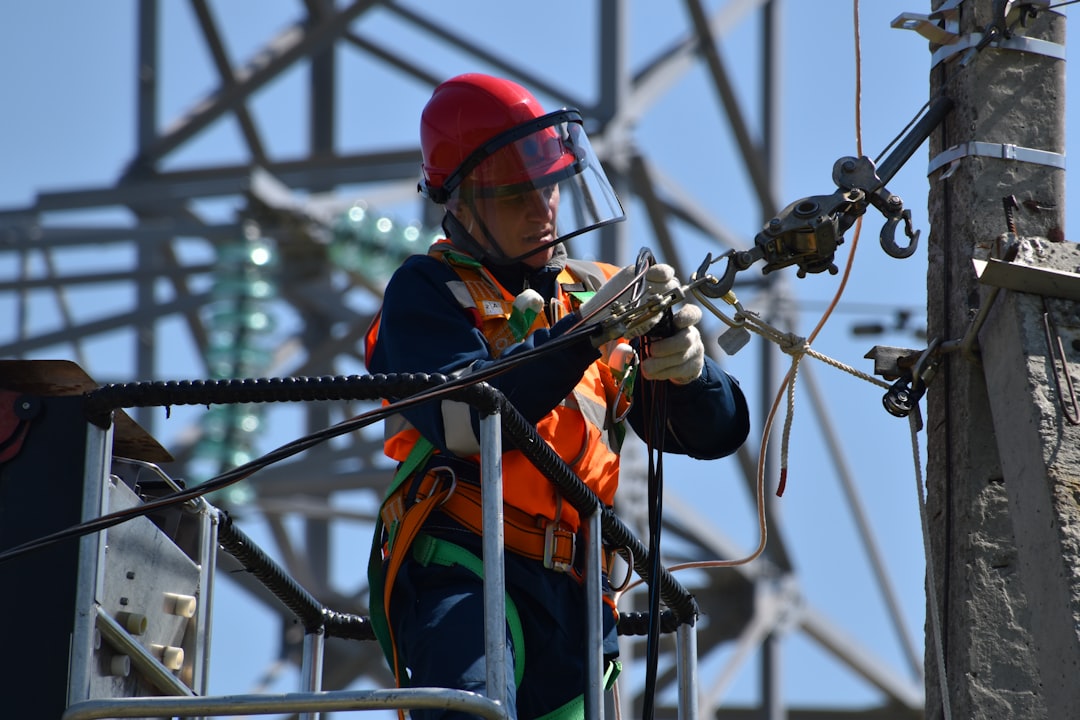
Linz sits on the Danube River. That geography can make severe weather worse. The city has 214,064 people as of January 1, 2024. It is the seventh-largest city on the Danube. For now, the priority is restoring electricity. Safety checks are underway. Workers are assessing damage to lines and substations. The process will take time.
This is not the first time Linz has faced a harsh winter. The city is in the far north of Austria. It knows heavy snow. But the scale of this storm caught many off guard. Five deaths is a stark number. The injured person is being treated. Authorities have not released further details on the victims or the nature of their injuries.
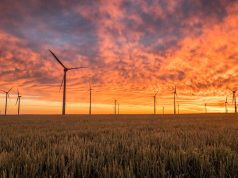
The power outages raise a larger question. Linz has been pushing renewable energy. Solar and wind projects are part of the city’s plan. The goal is to reduce reliance on non-renewable sources. Officials argue this strengthens energy security. It also cuts costs and helps the environment. But a snowstorm tests that system. Solar panels buried in snow produce nothing. Wind turbines can ice up or shut down in extreme gusts. The city’s investment in renewables is a long-term bet. The storm is a short-term stress test.
Urbanization is accelerating worldwide. Cities like Linz are trying to lead on sustainable practices. They promote environmentally friendly policies. They want stable energy supply and less vulnerability to price swings. Extreme weather events expose the gaps. A stable grid is essential when the snow piles high and the wind howls. Renewable sources are part of the answer. They are not the whole answer. Backup systems, storage, and grid hardening matter just as much.
The local community is feeling the weight of this storm. Families without power face a cold night. Food spoils. Medical devices may fail. Communication lines are strained. The city will need to assess the damage fully. Then it must implement measures to prevent a repeat. That could mean burying power lines. It could mean more battery storage. It could mean stricter building codes for new solar installations. The details are not yet clear.
Recovery efforts are focused on restoring power and ensuring safety. Crews are working in difficult conditions. Snow is deep. Roads are treacherous. The injured person is receiving care. The five families who lost someone are grieving. The city’s leadership is under pressure to get things running again fast.
For now, Linz and Tyrol are in response mode. The cleanup will take days, maybe weeks. The bill for repairs will be high. The lessons will be debated longer. Renewable energy is part of the city’s identity. But a storm like this shows that identity comes with real-world risks. The grid must hold. People must stay safe. The dead cannot be brought back. The power can be restored. That is the immediate task.