
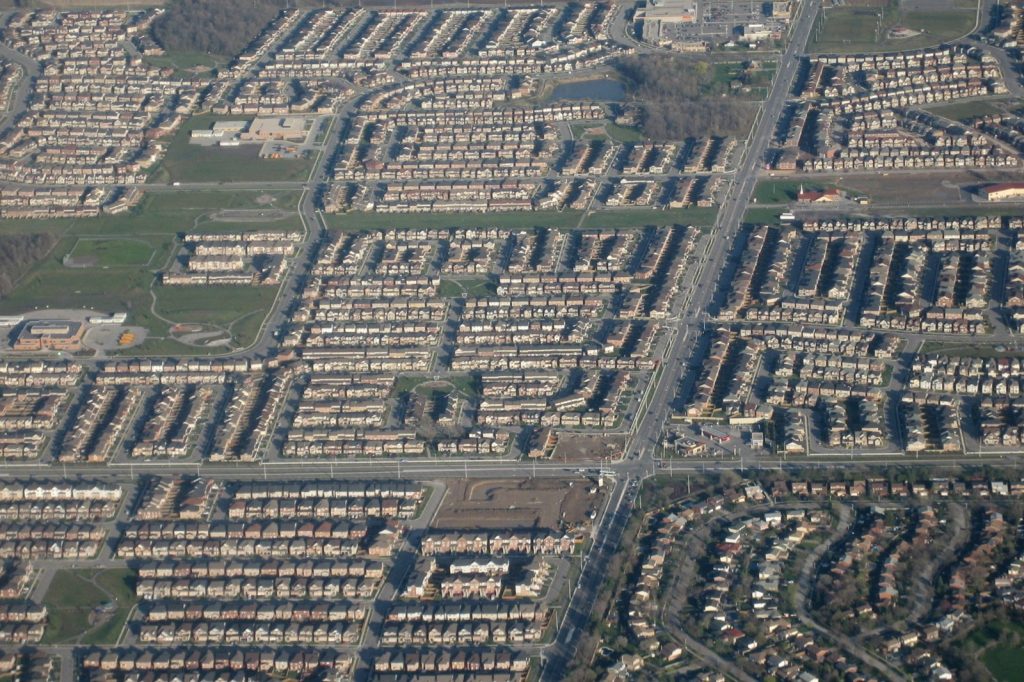
PHOENIX, July 18 — The concrete evidence of the Sun Belt’s decades-long expansion is written across the landscape in endless subdivisions and strip malls. But for the first time in years, some of the region’s fastest-growing cities are seeing rent prices fall. Between July 2024 and July 2025, ten of the fifteen fastest-growing American cities by percentage — and eleven of the top fifteen by numeric increase — were located in the Sun Belt.
That region, roughly defined as the stretch of states south of the 36°30′ north parallel, includes Alabama, Arizona, Florida, Georgia, Louisiana, Mississippi, New Mexico, South Carolina, Texas, about two-thirds of California, and the southern portions of Arkansas, North Carolina, Nevada, Oklahoma, Tennessee, and Utah. The growth is not new.
Since World War II, the Sun Belt has drawn retirees, job seekers, and families fleeing colder climates and higher costs. The advent of air conditioning made summer months tolerable and opened the door for industry. By the end of the COVID-19 pandemic, the trend had intensified: 86 percent of the top fifty zip codes that saw the largest increases in new residents since the start of the pandemic were in Texas, Florida, and Arizona alone.
Why the Sun Belt?
Analysts have long pointed to a mix of push and pull factors. Traditional explanations include rising productivity in the South and West, a demand for pleasant weather and amenity-rich living, the decline of manufacturing jobs in the Rust Belt, and the rising cost of living in several Northeastern states. Defense, aerospace, and oil boomed here, helped by low labor union involvement and proximity to military installations.
The term “Sun Belt” itself is relatively recent. Political analyst Kevin Phillips first used it in his 1969 book The Emerging Republican Majority.
The label stuck because it captured a fundamental shift in where Americans chose to live and work.
Rent declines in 2024
Now, that same rapid growth — combined with extensive new construction and modern open housing styles — appears to be reshaping rental markets. Sun Belt cities led rent declines in 2024, a reversal driven by a wave of new apartment buildings coming online faster than demand can absorb them. The region’s several climates — from desert and semi-desert to Mediterranean, humid subtropical, and tropical — all share one thing: a building boom that is starting to meet, and in some places exceed, the influx of new residents.
On a practical level, that means a slight easing of housing costs for renters who have watched prices soar over the past decade. Whether this trend holds will depend on how long the region’s economic engines — defense, aerospace, oil, and the service industries that support retirees — continue to draw newcomers to the country’s warmest states.




