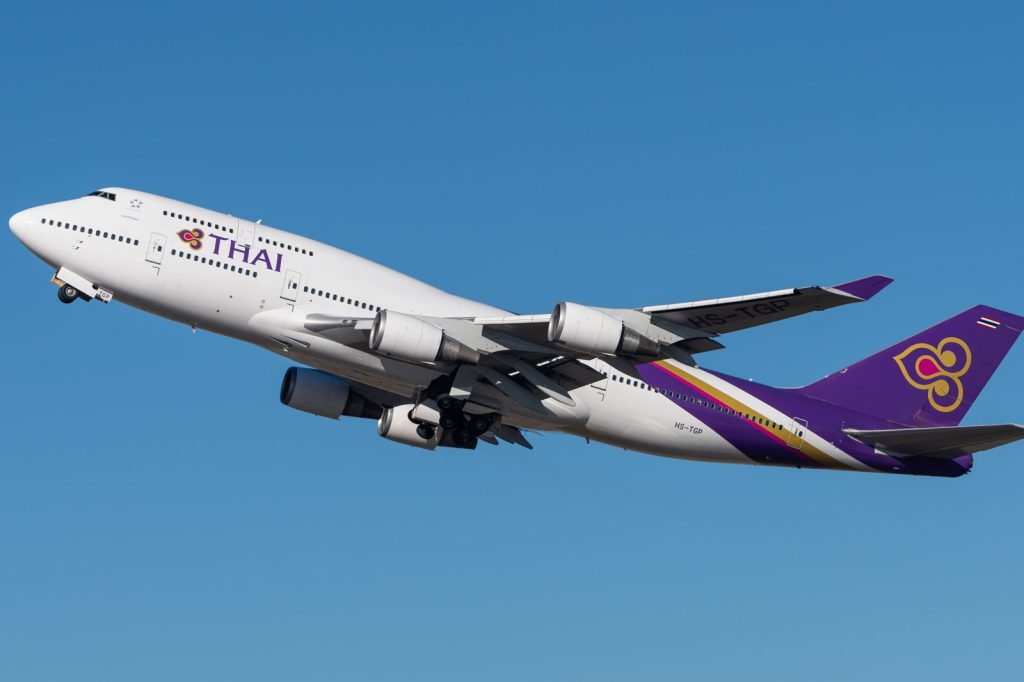
On 12 March 2020, Thai Airways president Sumeth Damrongchaitham and Suvarnabhumi International Airport director Sutheerawat Suwannawat each handed in their resignations, leaving the nation’s airline and its principal gateway without top leadership as COVID‑19 restrictions crippled global travel. Sumeth’s resignation letter, filed with the airline’s board after market close, cited “insurmountable obstacles” in obtaining emergency aid from the Ministry of Transport. Insiders said he spent three weeks seeking short‑term credit, waivers on landing fees and postponement of aircraft‑lease payments, only to receive no response.
A senior Thai Airways pilot, speaking anonymously, told InfoPulseToday that the carrier was losing roughly two billion baht each week while about 70 percent of its network remained grounded. “He finally told the board he could not keep begging for help that never arrives,” the pilot added.
The carrier entered 2020 already weakened, reporting a 12 billion‑baht net loss for 2019 and holding liquidity sufficient for barely 90 days of operation. By early March, Beijing had barred foreign airlines, Japan imposed quarantine on Thai arrivals, and the European Union prepared restrictions that would strip the airline of its most profitable long‑haul routes. Since taking the helm in 2018, Sumeth, a marketing veteran, had negotiated wage deferrals with unions and parked 38 of the fleet’s 103 aircraft in desert storage to curb maintenance costs.
Yet a rapid succession of government edicts closed entire markets faster than the airline could rebook passengers, leaving the measures insufficient. Sutheerawat’s departure followed a 7 March incident in which 80 Thai workers deported from South Korea evaded health screening at Suvarnabhumi and left the airport in taxis.
Health officials later located 75 of them; four tested positive for COVID‑19. Airports of Thailand (AoT) president Nitinai Sirismatthakarn said Sutheerawat resigned “to take personal responsibility for the breach.” The lapse occurred after a leaked memo revealed the airport had asked for 200 soldiers and health volunteers to staff exit gates, while the defence ministry offered only 30. A night‑shift security officer recounted that only three thermal scanners were operational for a flight carrying 1,400 passengers, forcing the crowd to pass an unmanned checkpoint while police debated jurisdiction.
Sutheerawat, a long‑time AoT executive who oversaw a 30‑billion‑baht terminal expansion, had publicly clashed with the army‑led Centre for COVID‑19 Situation Administration over whether military or civilian staff should control access doors. Sources in the transport ministry said he sent three urgent letters requesting reinforcements the week before the breach, none of which received a formal reply.
The resignations come amid a silence from Prime Minister Prayuth Chan‑ocha’s administration. Transport minister Saksayam Chidchob cancelled a scheduled briefing on 13 March and redirected queries to the ministry’s permanent secretary, who declined to comment. Thai Airways employs about 22,000 staff directly and supports an estimated 180,000 tourism‑related jobs.
Suvarnabhumi, the region’s third‑busiest hub, handled 65 million passengers in 2019; passenger numbers fell 45 percent in the first week of March, according to AoT data. Aviation analyst Korsak Chairasmisak of Kasikorn Research Center warned that the airport’s revenue could halve in Q2 if border closures persist, noting that “losing both the airline chief and the airport director in one day signals to creditors and insurers that governance is unraveling.” Market reaction was swift.
Thai Airlines shares dropped 15 percent on 13 March, reaching a record low of 6.15 baht, while AoT stock fell 11 percent. Bondholders sold the airline’s 2023 notes, pushing yields above 11 percent. Inside Thai Airways headquarters near Chatuchak Park, employees were informed on 13 March that unpaid‑leave notices would be issued the following week.
A flight attendant with 18 years of service described morale as “the worst since the 1997 crash.” Cabin crew have already accepted a 25 percent pay cut through September; ground staff anticipate similar concessions. At Suvarnabhumi, contract cleaners and baggage handlers staged a protest outside Terminal 1 on 14 March after learning that up to 3,000 outsourced jobs could be eliminated by May.
“We were told the virus is force majeure, so there will be no severance,” said 42‑year‑old cargo loader Somsak Rerkwichian, “but we still have to pay rent.” The Civil Aviation Authority of Thailand has pledged a 2‑billion‑baht relief package to waive navigation and safety fees for six months, yet airlines argue this covers only a fraction of fixed costs such as US‑dollar‑denominated lease payments. Industry group BAR‑THAI estimates combined losses of 130 billion baht for Thai carriers in 2020 if travel bans extend beyond June.
The twin exits have revived long‑standing calls to privatise Thai Airways, which remains 48 percent state‑owned. Former finance minister Korn Chatikavanij said the airline “has been used as a political tool for decades; a bankruptcy court and new management free of ministerial interference may now be the only way to save it.” Parliament is expected to debate an emergency loan package when it reconvenes in early April.
Until a new leadership team emerges, check‑in counters remain closed, runways sit quiet, and aviation workers await a clear direction.