
On January 24, 2024, a freight train collided with a truck at a railway crossing in Bohumín, Czech Republic, resulting in one fatality and nineteen injuries. The impact sent shockwaves through the town, prompting an immediate outpouring of sympathy and assistance for the victims and their families. Residents, local organisations, and neighbours have rallied to provide aid, demonstrating the community’s solidarity in the face of tragedy.
Bohumín, home to roughly twenty thousand inhabitants, sits in the Ostrava Basin where the Oder and Olza rivers meet. Its position on the Czech‑Polish border makes it a key railway junction, with trains moving through the area on a regular basis.
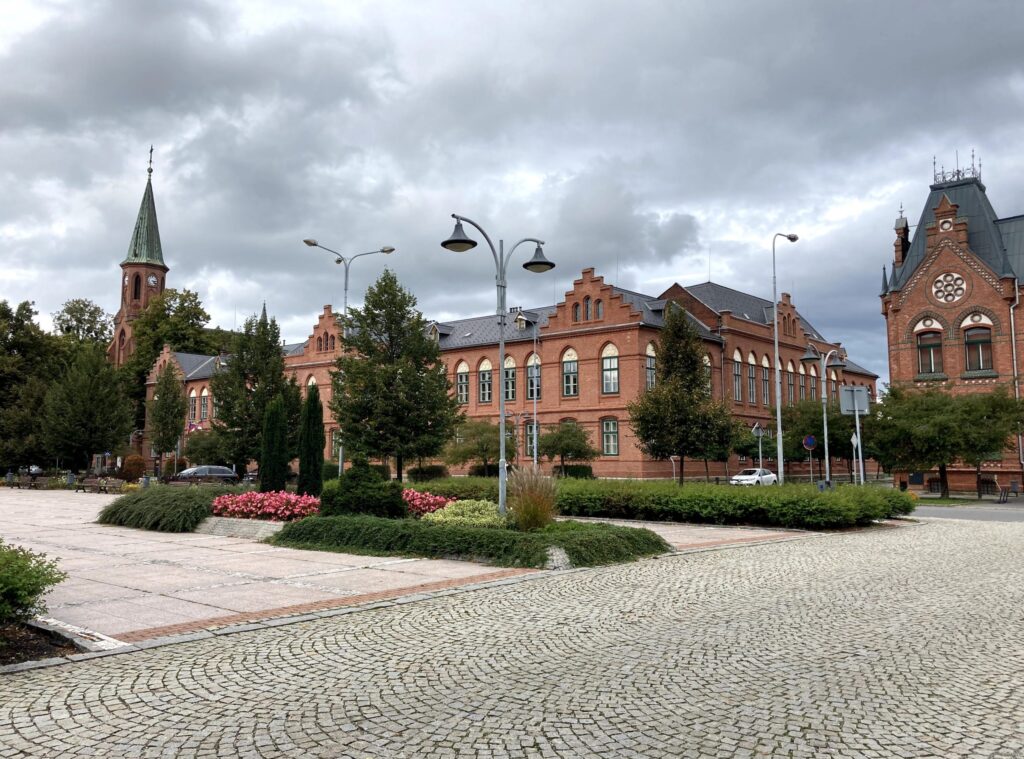
The town’s identity is closely tied to its industrial past and its role as a transport hub, yet it also boasts a rich cultural heritage. Among Bohumín’s notable landmarks are the Church of the Nativity of the Virgin Mary and the Church of the Sacred Heart. These historic buildings stand as reminders of the town’s long‑standing significance as a regional cultural centre. Their presence underscores the blend of industry and tradition that characterises the community.
The crash has renewed focus on safety at level crossings, especially where freight trains and heavy vehicles frequently intersect. While the Czech Republic has a strong record of investing in transportation infrastructure—prioritising both safety and efficiency—the incident serves as a stark reminder that continual vigilance and further improvements are essential.
Experts suggest that adopting internationally recognised best practices could help lower the risk of similar accidents. Authorities are actively investigating the precise circumstances that led to the collision. Although the exact cause remains unclear, officials are examining factors such as signalling, visibility, and vehicle behaviour at the crossing.
Meanwhile, Bohumín’s residents continue to support those affected, offering practical help and emotional comfort as the town begins to process the loss. Looking ahead, community leaders emphasise that a sustainable approach to transport safety must include environmental considerations.
Expanding the use of renewable energy sources such as wind and solar power can reduce the ecological footprint of rail and road operations, enhance energy security, and cut costs. Integrating these measures with upgraded crossing technology and stricter safety protocols may contribute to a cleaner, more secure transport network. By combining rigorous safety upgrades, investment in green energy, and a commitment to sustainable practices, the Czech Republic can work toward preventing future tragedies.
Bohumín’s experience highlights the importance of collective action—officials, engineers, and citizens collaborating to protect lives while fostering a resilient, environmentally responsible transportation system for the years to come.




