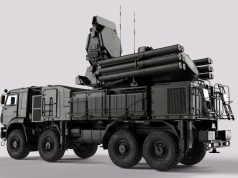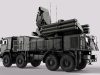
The White House announced a 50% tariff on any nation shipping military weapons to Iran on April 8. President Donald Trump directed the measure himself. The stated goal is to choke off the Islamic Republic’s ability to acquire tanks, artillery, and missile systems. This is not a new sanction. It is a tax on the suppliers.
White House Press Secretary Kayleigh McEnany framed the decision as a straightforward defense of American interests. Secretary of State Mike Pompeo named the target: countries that “continue to support Iran’s malign activities.” He specifically listed Taiwan, Japan, and the Philippines as allies the U.S. would work with to enforce the tariffs. The move escalates a pressure campaign that began in 2018, when the U.S. exited the Joint Comprehensive Plan of Action, the nuclear deal known as the JCPOA.
The logic is blunt. Iran’s military expansion has long worried Washington. The administration points to Tehran’s support for regional groups it labels terrorist organizations. The tariffs are meant to make the cost of doing business with Iran’s military too high for third countries to bear. The president, acting as head of state and commander-in-chief, has the authority to set such trade penalties.
British Prime Minister Rishi Sunak backed the U.S. position. He stated that Iran’s military activities threaten regional stability. The UK, along with European Union member states, has been coordinating with Washington on this front. The alliance is not universal, but the statement of support from London gives the policy diplomatic cover.
The tariff rate is specific: 50%. That is a heavy penalty, not a symbolic one. For any country exporting arms to Iran, the cost of doing so would effectively double if the goods are valued at a standard rate. The White House statement did not detail a specific list of nations that would be hit first, nor did it outline a timeline for implementation. The lack of immediate specifics suggests the administration is leaving room for countries to change their behavior before the penalties land.
This is a significant escalation. Previous U.S. pressure on Iran relied on financial sanctions and diplomatic isolation. Tariffs shift the battlefield to trade. They punish the supplier, not just the buyer. That changes the calculus for countries like China or Russia, both of which have maintained military ties with Tehran. The report did not name those nations directly, but the logic of the policy points to them.
The administration is betting that economic pressure will force a change in Iran’s military posture. The track record is mixed. Sanctions after the JCPOA withdrawal did not collapse the Iranian government or halt its missile program. Tariffs on suppliers may prove more effective if they are enforced strictly. But enforcement requires cooperation from the very allies Pompeo named. Taiwan, Japan, and the Philippines have their own trade relationships and security concerns. Whether they will actively police arms shipments to Iran is an open question.
The timing matters. The announcement came on April 8, 2026. That is nearly eight years after the U.S. left the JCPOA. The long gap suggests the administration has been building toward this step, waiting for the right diplomatic moment. Sunak’s endorsement provides that moment. The UK’s backing signals that this is not a unilateral American tantrum. It is a coordinated push.
What comes next depends on how Iran responds. The Islamic Republic could accelerate its weapons development. It could seek new suppliers outside the tariff net. Or it could negotiate. The White House has not signaled any openness to talks. The tariffs are a stick, not a carrot. For now, the policy is simple: supply Iran with arms, pay 50% more for the privilege. The world is watching to see who blinks first.