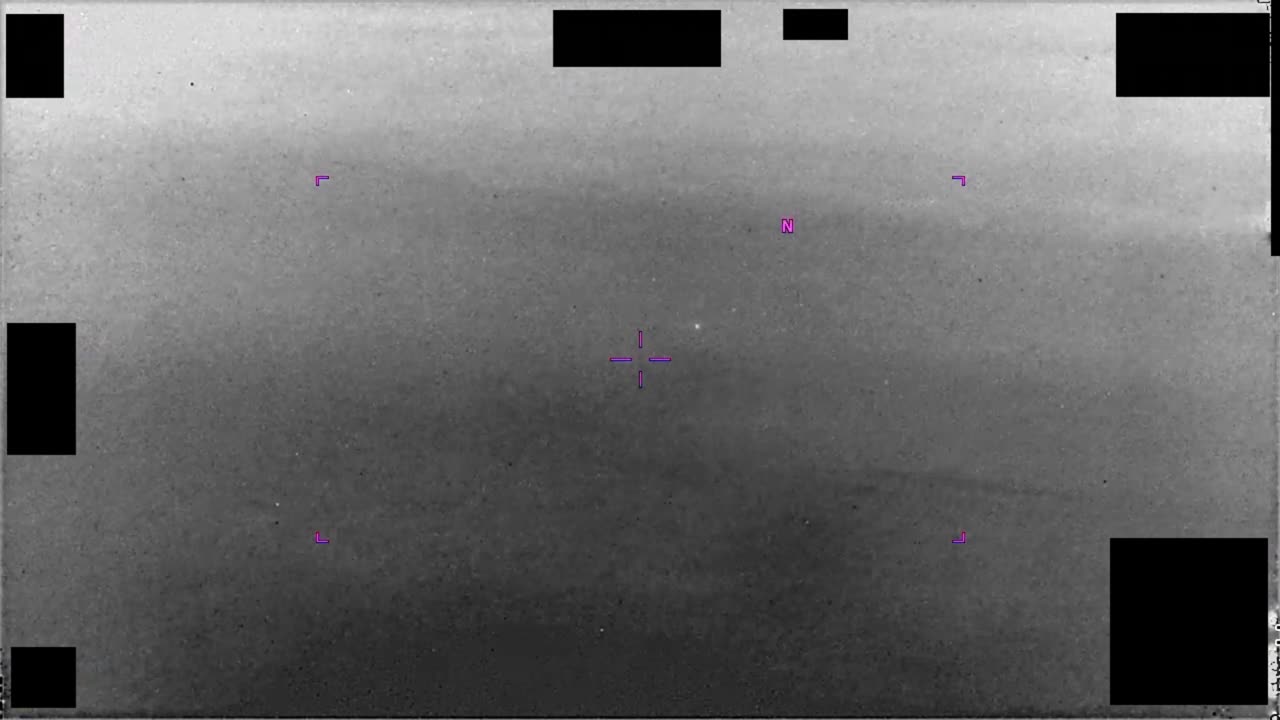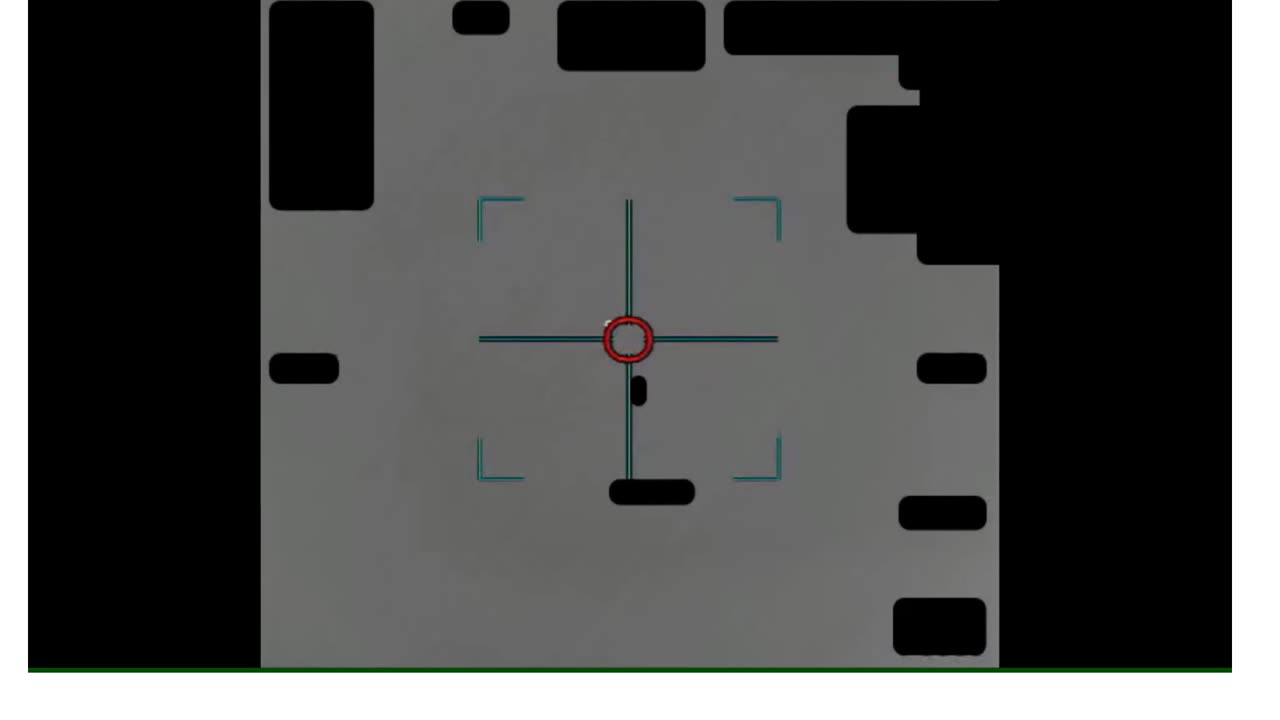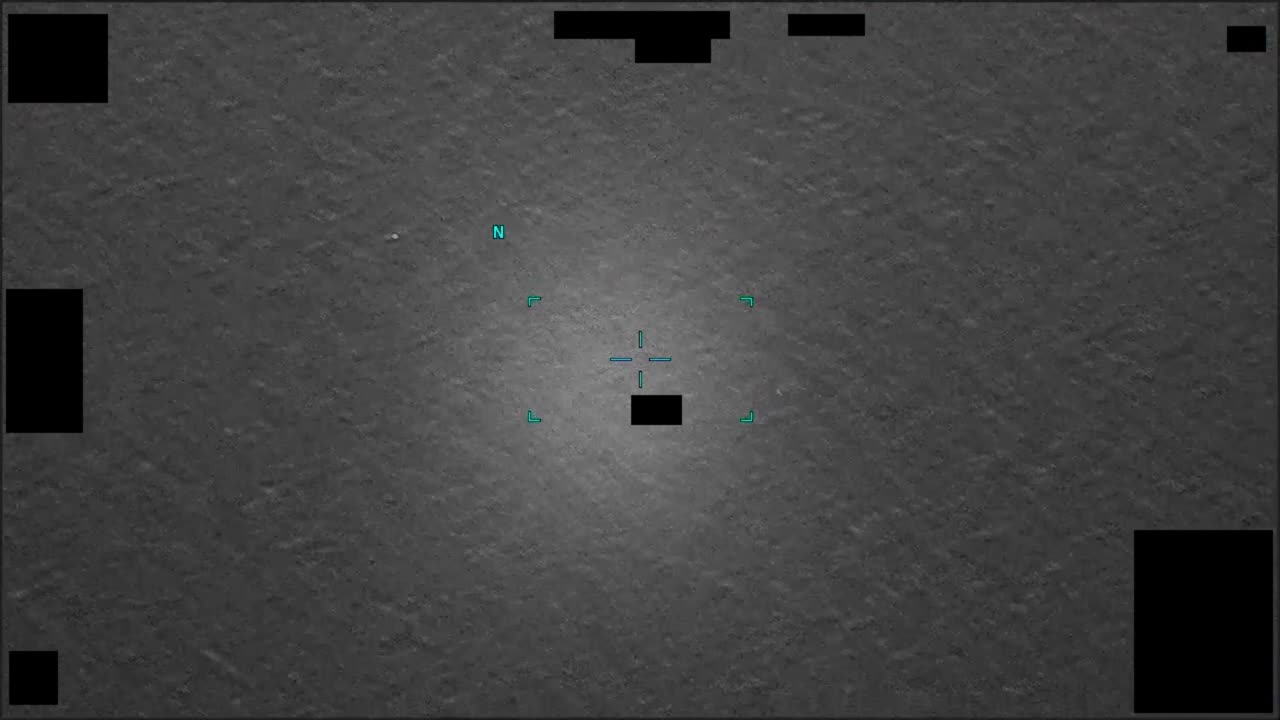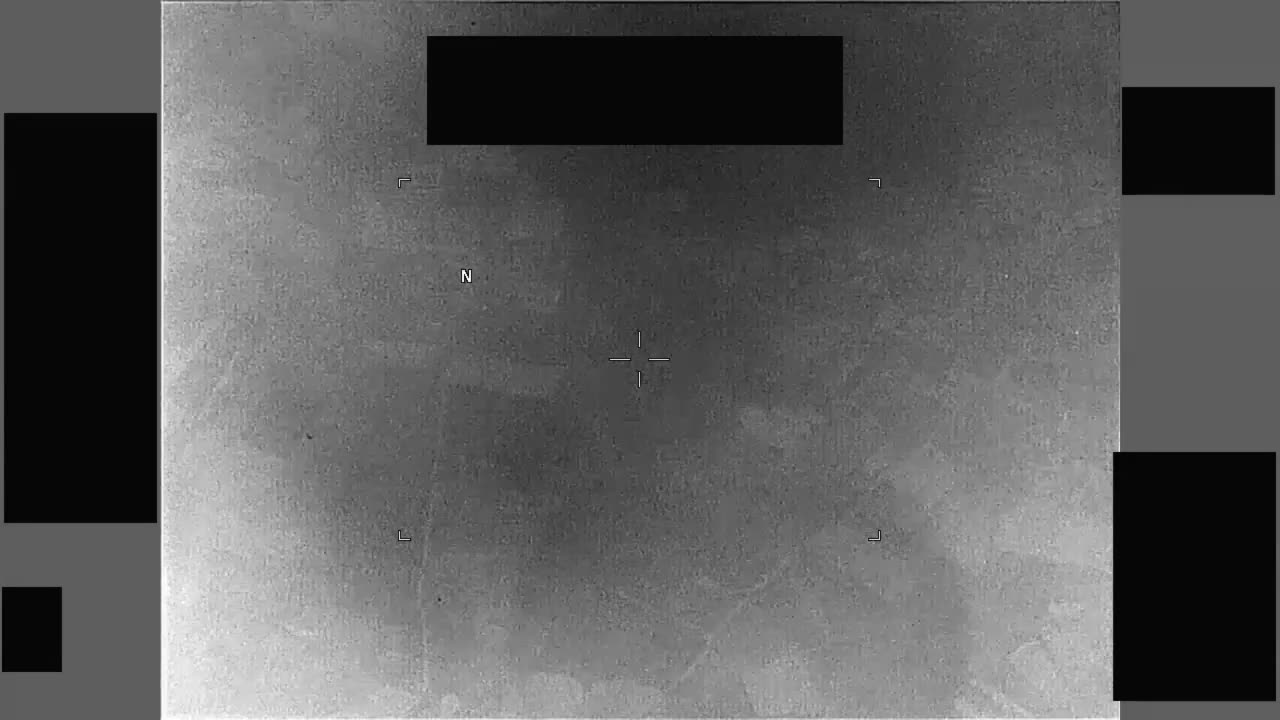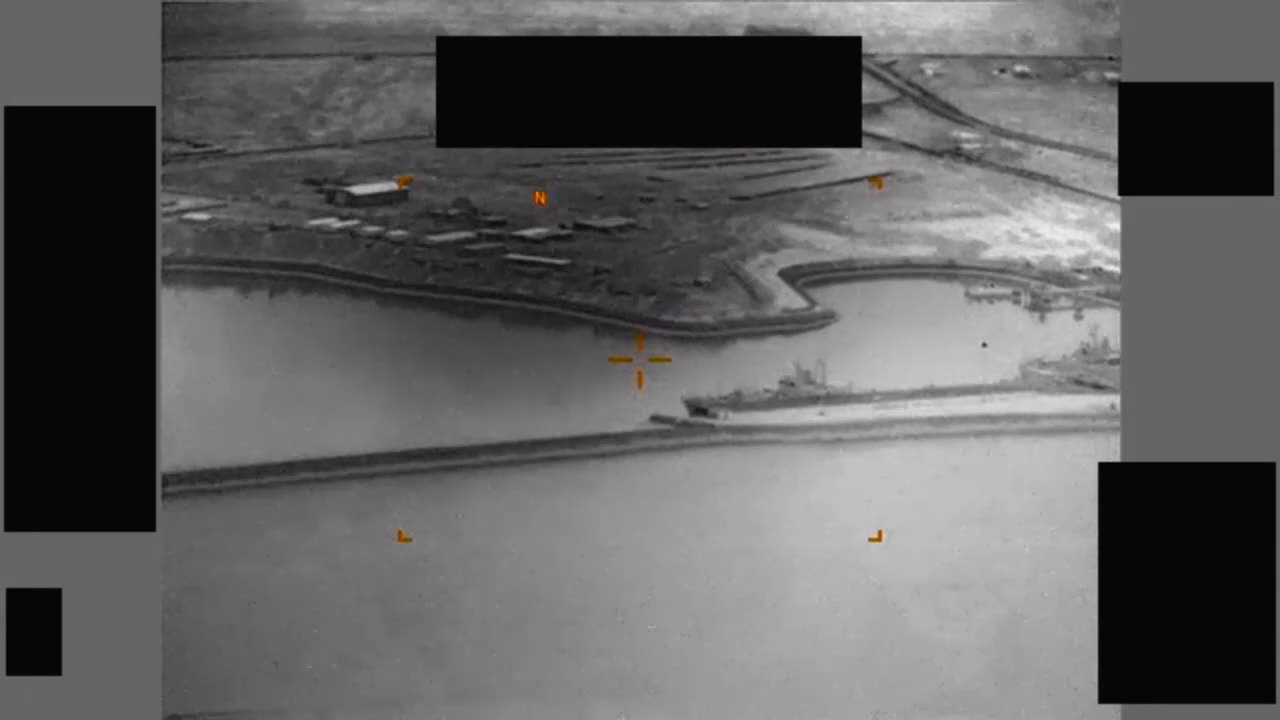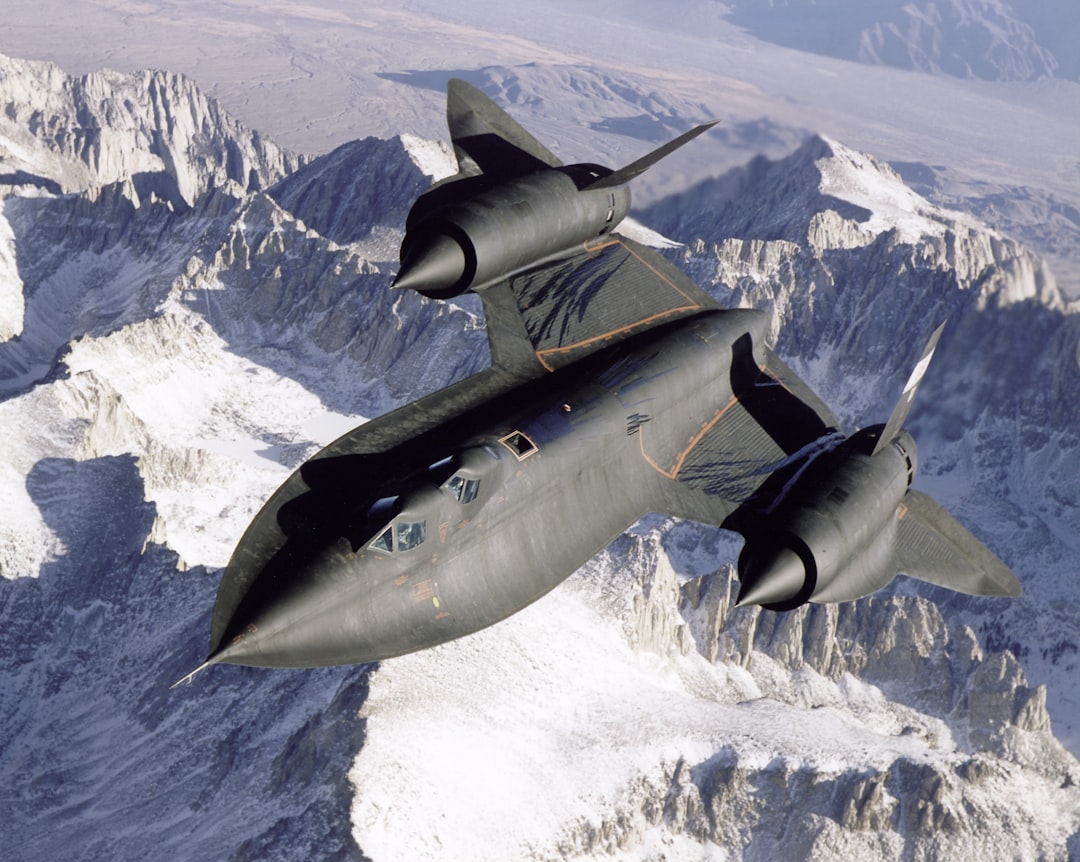
Two people are dead after a U.S. Navy airstrike hit an alleged drug boat in the eastern Pacific. The operation, part of a broader campaign against drug trafficking networks, used military aircraft to sink the vessel. The Navy has not released the nationalities of the dead or the boat’s crew size.
This is not a new kind of fight. The eastern Pacific is a major transit corridor for cocaine moving from South America toward the United States. Traffickers use go-fast boats, fishing vessels, and semi-submersibles. The U.S. Navy and Coast Guard have interdicted tons of drugs there for decades. What changed is the tactic. Airstrikes are not typical for maritime drug enforcement. The Navy defines an airstrike broadly — it can target low-altitude air threats, ground positions, or, as here, a boat. But using attack planes or helicopters to sink a suspected drug vessel is a step up from the usual boarding operations.
Why do it this way? The official report says the U.S. Navy has been working with international partners to share intelligence and coordinate efforts. That suggests the target was not a random skiff. The boat was likely tracked for some time, and the decision to strike from the air rather than send a boarding party points to risk assessment. Boarding a vessel in the open ocean is dangerous. The crew may be armed. The boat may be rigged to scuttle. An airstrike removes that close-quarters threat — but it also removes any chance of capturing suspects or gathering evidence on the spot.
Secretary of Defense Lloyd Austin has stressed the need for nations to cooperate on shared security challenges. Drug trafficking is one of those. The U.S. has pushed for closer ties with allies through NATO, AUKUS, and the Quad. Those partnerships are not just about peer competitors. They also target transnational crime. The eastern Pacific is a proving ground for that cooperation. Intelligence from partner nations often tips U.S. forces to drug shipments. The airstrike shows that cooperation can lead to lethal action.
The broader context matters. The U.S. government has long accused hostile actors — Iran’s regime, the Chinese Communist Party, and Russia’s Kremlin — of exploiting instability in regions like Latin America. Drug money fuels corruption. It weakens institutions. It gives criminal groups power that rivals state authority. The Navy’s campaign in the eastern Pacific is one front in a larger effort to disrupt those networks.
But the airstrike also raises questions. Two people are dead. There was no trial, no arrest, no seizure of contraband for a courtroom. The Navy says the boat was “alleged” to be a drug vessel. That word matters. In international waters, the right to use force against a civilian vessel is limited. The U.S. position is that drug trafficking is a threat to regional security, and that military action is justified under the broader campaign. Critics will ask whether an airstrike was proportional. Supporters will say it was necessary.
The Navy has not released the type of aircraft used or the exact location of the strike. Those details may come later. What is clear is that the U.S. is willing to use air power against drug boats, not just surface ships. That changes the calculus for traffickers. A go-fast boat can outrun a Coast Guard cutter. It cannot outrun a helicopter or a fighter jet.
This incident will not be the last. The drug trade in the eastern Pacific shows no sign of slowing. The U.S. and its allies will keep hunting those boats. The question is how many more airstrikes will follow.