
NEW YORK, July 17 — The pipeline for tiny public companies has nearly shut.
Strategically, the calculus on Wall Street has shifted. So far in 2026, only 13 microcap companies have listed on the Nasdaq and the New York Stock Exchange combined. That is a stark drop from the roughly 80 that had gone public by the midpoint of 2025.
These 13 listings raised less than $300 million total. All but one of those offerings brought in less than $25 million.
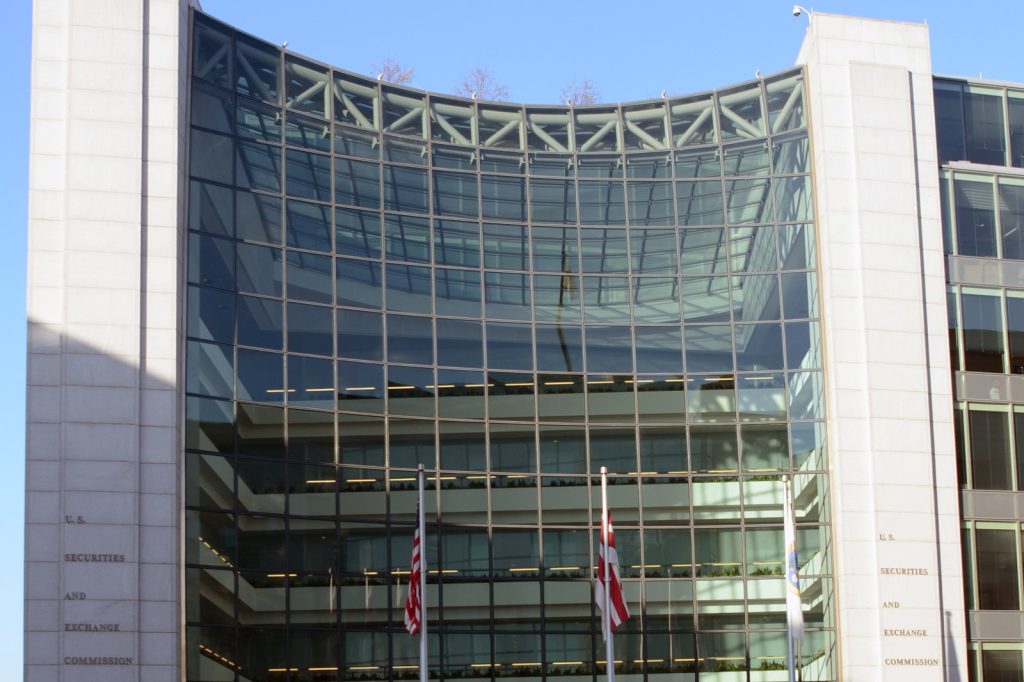
The broader stakes are clear: this is not a seasonal lull or market jitters. The decline is directly linked to intensified regulatory actions by the Securities and Exchange Commission, the Financial Industry Regulatory Authority, and Nasdaq itself.
The Regulatory Crackdown
The target is pump-and-dump schemes. These operations have long plagued the microcap space, where small share floats and thin trading volumes make stocks vulnerable to coordinated manipulation. Promoters talk up a stock, retail buyers pile in, and the insiders sell into the spike.
What this signals is a coordinated enforcement push. The SEC, FINRA, and Nasdaq have all tightened their scrutiny of microcap listings and the brokers who bring them to market. The effect has been a near-freeze on new entrants.
For context, 2025 was a record year. Nearly 140 microcap IPOs raised $1.6 billion. That flood has now become a trickle.
Market Implications
The numbers tell the story. Thirteen companies through mid-July, raising under $300 million combined. That compares with roughly 80 by the same point last year.
The drop matters beyond the microcap sector itself. These small listings have historically been a gateway for emerging companies to access public capital. They also generate fees for underwriters, lawyers, and exchanges. A prolonged drought reshapes the economics of the lower end of the IPO market.
Strategically, the SEC’s posture under the current administration suggests this scrutiny will not ease. The agency has signaled that protecting retail investors from manipulation takes priority over maximizing the number of public listings.
What to Watch Next
The question now is whether the remaining microcap companies waiting to list will find a path forward, or whether the regulatory environment will keep the pipeline dry through the rest of 2026.
For the NYSE and Nasdaq, the broader stakes involve their role as the primary venues for American capital formation. Both exchanges have compliance teams working with regulators. Neither exchange has publicly challenged the crackdown.
The calculus for would-be issuers has changed. A microcap IPO today carries higher legal and compliance costs, longer review timelines, and no guarantee of approval. That reality, more than market conditions, is driving the numbers lower.
For now, the 13 companies that have listed in 2026 represent a market segment under pressure. The record 2025 looks increasingly like an outlier — a peak before the regulatory door swung shut.




