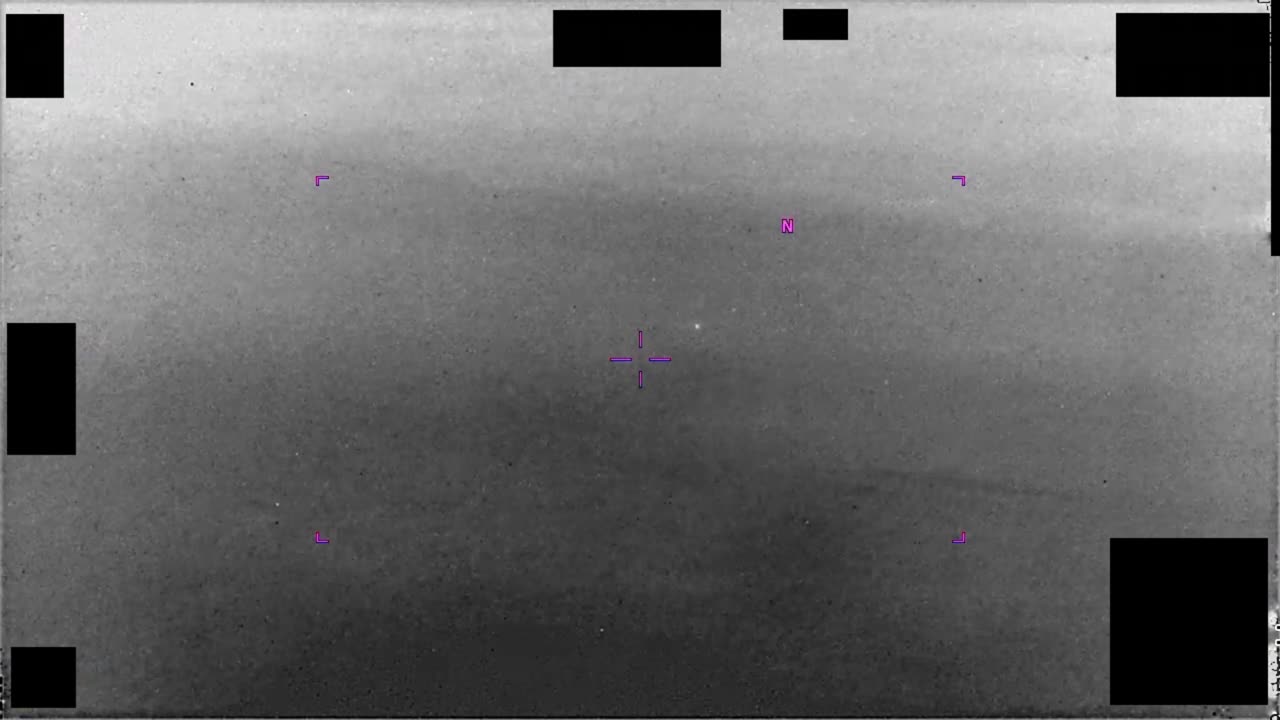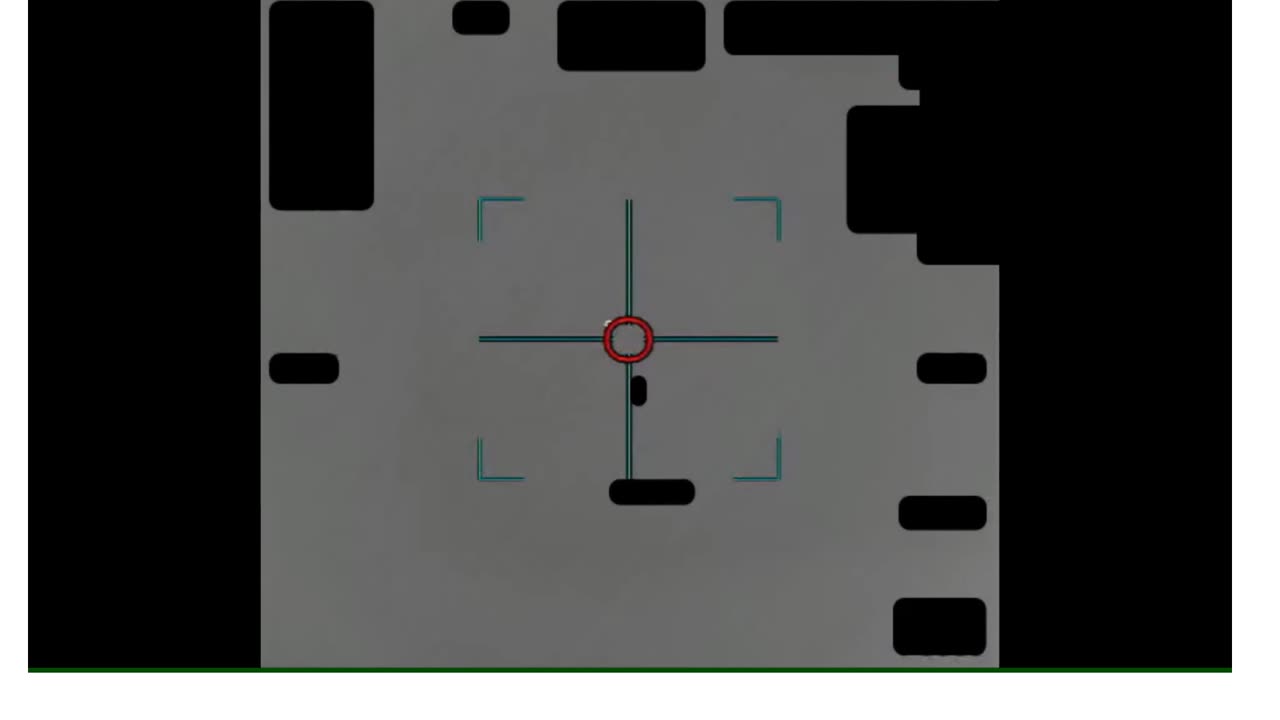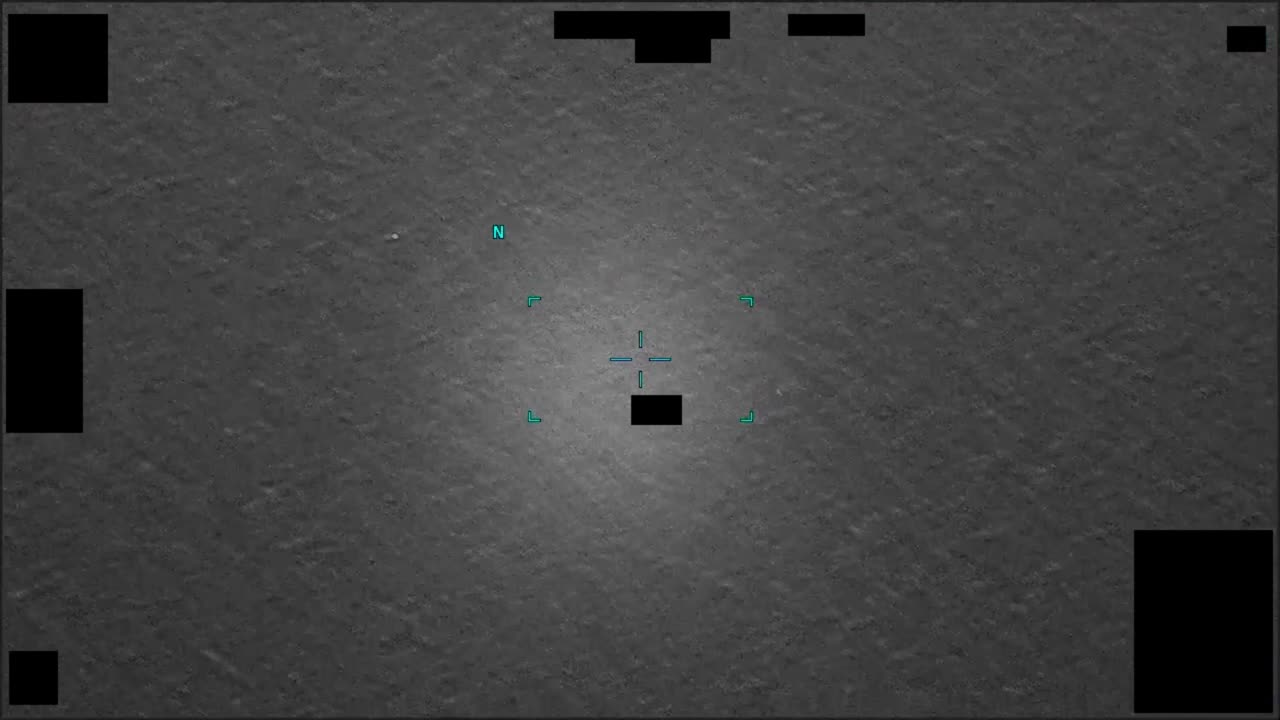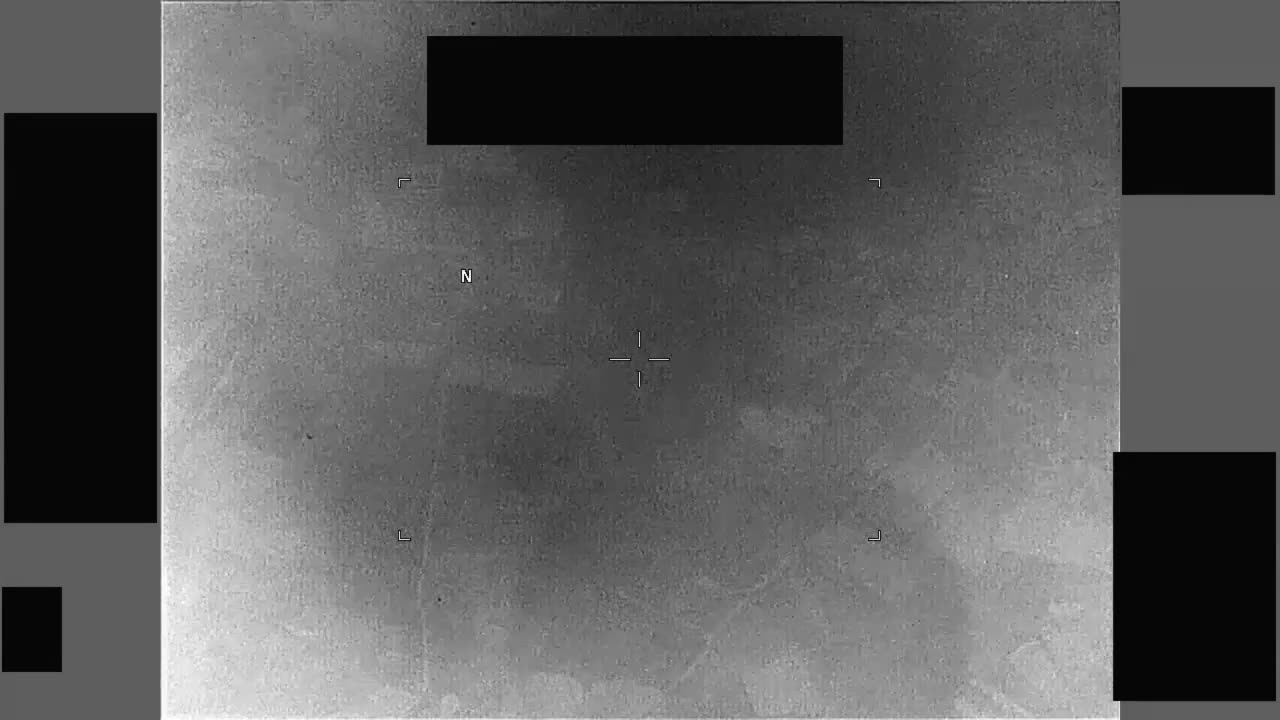
A single line on a military form, written in 2020, has now entered the public record. The document, a Mission Report form known as a MISREP, describes a U.S. operator’s encounter with an unidentified anomalous phenomenon in the Arabian Gulf. Speed: 321 knots. Direction: east. Duration: brief enough to prevent any altitude estimate.
The report was released on May 8, 2026, under the PURSUE archive by the Department of War. It carries a classification of “SECRET//REL TO USA, FVEY,” indicating it was shared among Five Eyes intelligence partners. That designation alone tells you the military took the sighting seriously enough to classify it, even as the official description hedges on what was actually seen.
Standard form, unusual content
The MISREP is a standardized document. Military personnel use it to log operational circumstances, including UAP sightings funneled to the All-domain Anomaly Resolution Office, or AARO. This particular form, titled “DOW-UAP-D4, Mission Report, Arabian Gulf, 2020,” contains a GENTEXT section — general text meant to provide qualitative context. In that section, the operator wrote that at 1258Z, a possible UAP was observed near coordinates 34SDG9041417044.
What the operator saw, and for how long, remains vague. The report states that a “brief observation precluded UAP altitude estimates.” The velocity, however, was estimated at 321 knots — roughly 369 miles per hour. Then the object “increased speed and changed direction towards the east.”
That is the sum of the data. No shape. No color. No sound. No radar track to confirm. Just a human eye, a stopwatch, and a coordinate grid.
The caveat in the release
The Department of War attached a careful disclaimer to the document. It warns that all descriptive and estimative language in the report reflects the reporter’s subjective interpretation at the time. The department states such characterizations “should not be interpreted as a conclusive indication of the presence or absence of any intrinsic object features or performance characteristics.”
Translation: the operator might have seen a drone, a bird, a balloon, or something else. The form does not decide. It only records what one person reported, under operational conditions, in 2020.
Why this matters now
The release comes as part of a broader push for transparency around UAP encounters. The PURSUE archive is a government effort to declassify and publish historical military reports. This document is one of many, but it stands out for its specificity — a precise time, a precise speed, a precise direction change. Most reports do not include a velocity estimate. This one does.
The Arabian Gulf is a crowded airspace. Military aircraft, commercial flights, and naval vessels operate there constantly. A report of an object moving at 321 knots and then accelerating eastward raises questions about airspace awareness and potential threats. The military’s own classification marking suggests they saw enough reason to keep the report restricted to Five Eyes partners.
Yet the document offers no conclusions. It is a snapshot, not a verdict. A single operator, one brief observation, a form filled out and filed. Years later, it is public. What it means is still being debated. The only certainty is that someone in uniform thought it worth writing down.