
WASHINGTON, July 17 — The United States Department of Agriculture runs on a $213 billion budget, and the figure that matters most to most Americans is this: roughly 71% of that money goes straight to nutrition assistance. That is the bottom line for an agency best known for its work with farmers, but whose largest single program is the Supplemental Nutrition Assistance Program, or SNAP — the former food stamp program. SNAP is the cornerstone of the Food and Nutrition Service, which administers the department’s nutrition aid.
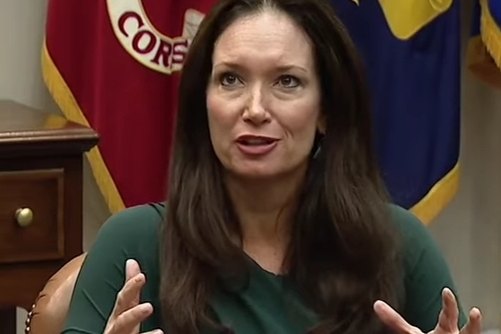
Brooke Rollins has served as secretary of agriculture since February 13, 2025, reporting directly to President Donald Trump as a member of the Cabinet. She oversees an executive department with a sprawling mandate: meeting the needs of commercial farming and livestock production, promoting agricultural trade, ensuring food safety, protecting natural resources, fostering rural communities, and working to end hunger both domestically and internationally.
By the numbers: the USDA’s structure
The department is divided into eight distinct mission areas. Farm Production and Conservation, Food Nutrition and Consumer Services, Food Safety, Marketing and Regulatory Programs, Natural Resources and the Environment, Research Education and Economics, Rural Development, and Trade and Foreign Agriculture Affairs. Within the Research Education and Economics mission area sit two agencies that investors will note: the Economic Research Service and the National Agricultural Statistics Service.
These are the units that produce the data and analysis used for food price forecasting and inflation tracking — numbers that move markets and inform Federal Reserve thinking. The largest single agency within the department is the United States Forest Service, which administers national forests and national grasslands that together comprise about 25% of federal lands.
Trade, aid, and global reach
The USDA assists farmers and food producers with selling crops on domestic and world markets. It also plays a role in overseas aid programs, providing surplus foods to developing countries under the Agricultural Act of 1949, section 416(b), and the Agricultural Trade Development and Assistance Act of 1954 — better known as Food for Peace. The department is also a partner of the World Cocoa Foundation, a detail that underscores its engagement with global commodity supply chains beyond traditional American row crops.
What to watch next: with food price inflation still a live political issue, the data coming out of ERS and NASS will remain under close scrutiny. The 71% nutrition-assistance share of the budget also means any congressional debate over farm bill reauthorization will inevitably center on SNAP funding levels — the perennial fault line in US agricultural policy.




