/
HTML. No extra text. No quotes? We can include facts but not invent quotes. We can paraphrase but cannot add new figures, quotes, or names. Must keep same facts: February 1 flight ban to/from mainland China, not a suggestion, door slamming shut; $430 million revenue loss for Vietnam’s airlines; roughly 400,000 monthly visitors vanished; civil aviation authority confirmed international passenger numbers dropped 14.1 percent in first week; virus trigger; geography and dependency; Vietnam shares long land border with China; tourism economy wired into Chinese outbound market; Jetstar Pacific, Vietjet Aviation, Vietnam Airlines ran heavy schedules across border; when ban hit routes became worthless; capacity slashed; planes parked; schedules rewritten; Vietnam Airlines moved fast; issued formal statement announcing reduce operations and cut costs aggressively; goal: ride out outbreak and still try to post positive financial result for year; balancing solvency and safety; cannot neglect either; if cut too deep cannot recover; if cut too shallow bleed out; broader picture worse; civil aviation authority numbers show systemic shock; 14.1% weekly drop does not bounce back overnight; even if ban lifts tomorrow (no sign it will) traveler confidence will lag; virus killed thousands; people remember; will not flood back; test of endurance; airlines that survive will be those that can absorb loss and keep flying domestic routes; domestic demand not collapsed entirely but under pressure; tourists from other countries also staying home; revenue hole $430 million wide; will grow if outbreak not contained soon; Vietnamese government chose public health over aviation profits; decision not accident; airlines cutting costs, reducing flights, hoping year ends in black; grim calculation; betting disciplined retreat now will let them advance later; strategy; depends on virus, government’s next move, passenger safety perception.
We must not add new figures, quotes, or names. Keep same numbers: $430 million, 400,000 monthly visitors, 14.1 percent, February 1, etc. Keep names of airlines: Jetstar Pacific, Vietjet Aviation, Vietnam Airlines. Keep civil aviation authority. Keep government. Keep virus. Keep date? Not required but we can keep datePublished? Not needed as fact? The original includes datePublished 2020-02-16. That’s a fact; we could keep but not required. Safer to keep it? It’s a fact from source. We can include but must not invent new. It’s okay to include date. Ensure we don’t add new facts.
We need 450-560 words. Let’s aim ~500 words.
Structure: Use
for subheadings maybe. Use
paragraphs.
We must not add any extra text outside HTML. So output like:
…
…
Impact of the China Flight Ban on Vietnam’s Aviation Sector
On February 1 the Vietnamese government imposed a mandatory ban on all flights to and from mainland China, a measure described not as a recommendation but as an immediate closure of air links. The directive cut off a major revenue stream for the country’s carriers, removing roughly $430 million in expected income.
According to the civil aviation authority, the ban caused international passenger traffic to fall by 14.1 percent in the first week alone. That decline corresponded to the disappearance of about 400 000 monthly visitors from booking systems, a loss characterised as a hemorrhage rather than a gradual bleed. The underlying cause was the coronavirus outbreak, but the severity of the impact stemmed from Vietnam’s geographic and economic ties to China.
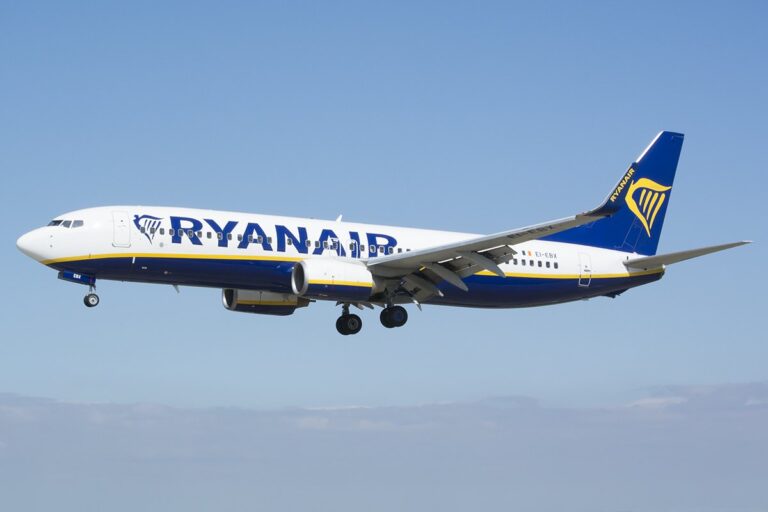
A lengthy land border and a tourism model heavily dependent on Chinese outbound travel meant that airlines such as Jetstar Pacific, Vietjet Aviation and the state‑owned Vietnam Airlines had built extensive schedules across that frontier. When the ban took effect, those routes lost their commercial value overnight.
Capacity was reduced, aircraft were grounded and flight schedules were rewritten in real time. Vietnam Airlines responded quickly, issuing a formal statement that it would scale back operations and pursue aggressive cost‑cutting measures. The airline’s stated objective was to endure the outbreak while still aiming to post a positive financial result for the year.
Balancing solvency with safety became the carrier’s immediate challenge. Executives warned that overly deep cuts could impede future recovery, whereas insufficient reductions would continue to drain cash reserves.
The dilemma illustrated the thin line the airline must walk to remain viable. The shock extended beyond a single carrier. Authority data revealed a systemic jolt to the entire aviation system, with the 14.1 percent weekly drop in international passengers unlikely to reverse quickly.
Even if the ban were lifted tomorrow—a scenario for which there is currently no indication—traveler confidence would probably remain low, given the virus’s death toll and the lasting memory of the health crisis. Consequently, the path to recovery is framed as a test of endurance.
Airlines that manage to absorb the $430 million revenue shortfall while maintaining domestic flights are seen as best positioned to survive. Domestic demand, although not completely eradicated, faces pressure, and interest from other international markets has also waned as travelers stay home. The financial gap remains $430 million wide, and it could expand if the outbreak is not brought under control soon.
The Vietnamese government’s decision to prioritise public health over aviation profits was characterised as a deliberate policy choice, not an accidental outcome. Airlines are now living with that consequence, trimming expenses, reducing flight frequencies and hoping to‑flight counts and aiming to finish the fiscal year in the black.
This approach is described as a grim calculation: a disciplined retreat today in the expectation that it will enable future advancement. Whether the strategy succeeds hinges on factors outside the carriers’ control—the evolution of the virus, any further government actions, and the willingness of passengers to feel safe returning to the skies.