A Crisis of Salinity Hits Vietnam’s Agricultural Heartland
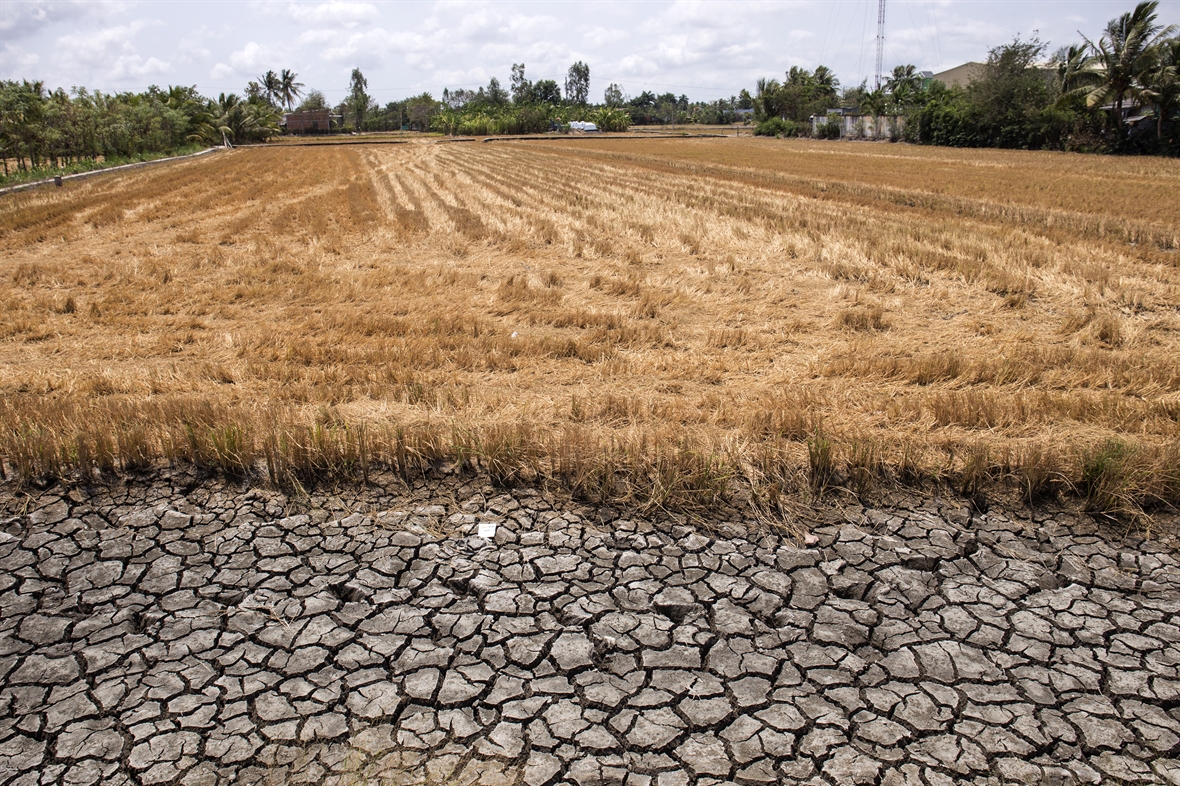
Vietnam’s Mekong Delta region is currently grappling with its most severe saltwater intrusion in decades, a phenomenon driven by the confluence of rising sea levels and reduced freshwater flow from upstream dams. The situation has escalated rapidly over the last few months, forcing thousands of farmers to abandon their rice paddies and threatening the livelihoods of millions who depend on this fertile land for food production and export. As saltwater penetrates deeper into the delta’s aquifers, local authorities warn that without immediate intervention, the region could face permanent agricultural collapse within the next five years. The primary drivers include prolonged drought conditions in the upstream reaches of the Mekong River, exacerbated by climate change and heavy dam construction in neighboring countries that have significantly lowered water levels before they reach Vietnam.
Farmers Adapt to a Changing Landscape
The impact on local agriculture has been immediate and devastating. Rice farmers, who traditionally relied on predictable seasonal flooding, are now finding their fields contaminated with salt long before the dry season officially begins. In provinces like An Giang and Tien Giang, where rice accounts for a significant portion of the national output, crop yields have plummeted by nearly forty percent compared to historical averages. Many farmers report that the soil has become too saline to support traditional paddy cultivation, forcing them to switch to salt-tolerant crops like cassava or sugar cane, which fetch much lower market prices.
“We are watching our heritage dry up before our eyes,” said Nguyen Van Thanh, a third-generation rice farmer in Can Tho City. “The water that once nourished our rice is now bitter and salty. We have tried everything from digging deeper wells to installing desalination pumps, but the intrusion is moving faster than we can adapt.” The economic ripple effects are already visible in local markets, where prices for fresh produce have surged while export revenues from seafood and agriculture face uncertainty.
Regional Cooperation Remains Elusive
Efforts to mitigate the crisis have centered on international cooperation, specifically regarding water management upstream in China, Laos, and Cambodia. Vietnamese officials have repeatedly called for greater transparency and data sharing regarding dam operations that affect downstream flow. However, diplomatic channels have struggled to produce binding agreements that would guarantee a minimum volume of freshwater reaching the delta during critical periods.
“The Mekong Delta cannot survive on its own,” stated Dr. Le Thi Mai, director of the Institute of Geography at the Vietnam Academy of Science and Technology. “We need our neighbors to understand that their dam releases directly impact millions of people downstream. Without a cooperative framework for water management, we are fighting a losing battle against physics and geography.” Despite these appeals, progress remains slow, with upstream nations citing their own energy needs and economic development goals as priorities that cannot be easily compromised.
Environmental and Social Fallout
Beyond agriculture, the intrusion poses severe risks to human health and local ecosystems. The salinization of groundwater has rendered wells unusable for drinking water in many rural areas, forcing residents to rely on expensive bottled water or distant municipal supplies. Coastal communities report increased rates of dehydration and skin irritation linked to consuming water with elevated salt content. Marine life is also suffering as changing salinity levels disrupt breeding cycles for fish species that are crucial to the local diet and economy.
Fishermen in the coastal provinces have noted a decline in catch sizes, particularly for prawns and crabs that thrive in brackish water but struggle when salinity spikes too high or drops too low unpredictably. The traditional fishing calendar is becoming obsolete as environmental conditions shift year by year. This instability threatens to push many small-scale fishers into poverty, creating a potential refugee crisis within the country as people seek work in urban centers that cannot absorb such a sudden influx of labor.
Long-Term Planning Under Uncertainty
Government agencies are now exploring emergency measures to protect the delta’s future, including massive investments in sea walls and desalination plants. However, these solutions come with high costs and long implementation timelines that may not keep pace with the accelerating rate of climate change. Some experts suggest that a complete rethinking of agricultural practices is necessary, potentially involving a shift toward aquaculture or floating gardens that can withstand fluctuating water conditions.
The path forward requires not only technological innovation but also a fundamental shift in how the region approaches water resource management. International funding and technical assistance are being sought to support these transition efforts, yet the window for action is narrowing. As saltwater continues to creep inland, the resilience of Vietnam’s Mekong Delta will be tested in ways that have never been seen before. The outcome will determine not only the fate of one of the world’s most productive agricultural regions but also serve as a bellwether for how coastal nations around the globe must adapt to a warming planet.