
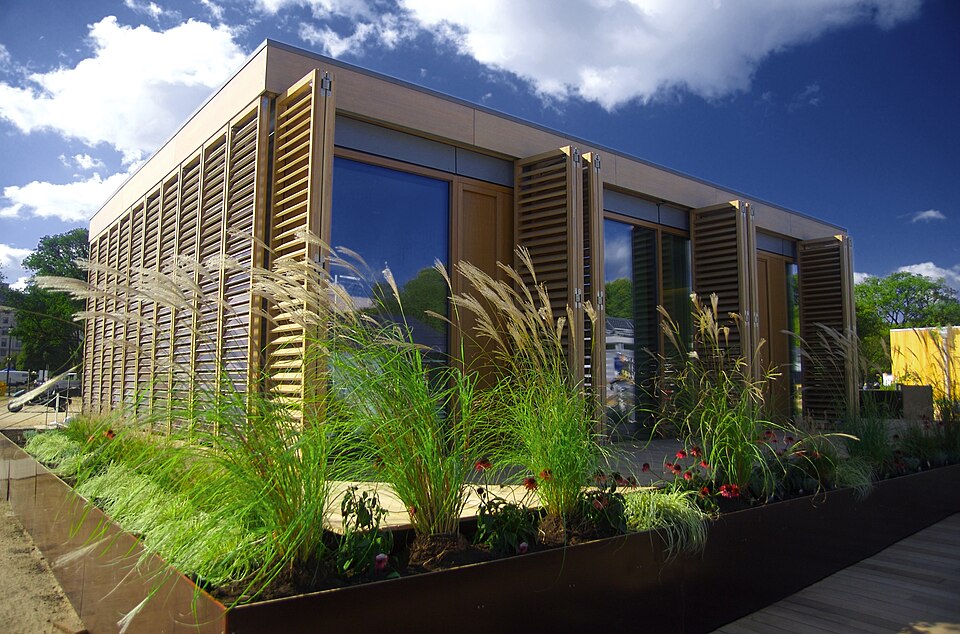
WASHINGTON, Sept. 4 — The 2026 home renovation cycle is being defined by a single priority: sustainability, driven by a convergence of rising energy costs, tightening building codes, and homeowner demand for healthier, lower-impact living spaces. Renovators are no longer treating eco-friendly upgrades as optional add-ons but as the foundational principle guiding design and material selection. At its heart, the shift is a practical response to volatile energy markets and an aging housing stock.
The average US home is 40 years old and significantly under-insulated, according to a report from WPXI, which highlights how the Inflation Reduction Act’s incentives for energy-efficient improvements have made upgrades like heat pumps, induction stoves, and solar panel retrofits more financially accessible to middle-income households.
Budgets follow the trend
Industry data cited in the report shows 2026 renovation budgets are increasingly allocated to insulation upgrades, triple-pane window replacement, and high-efficiency HVAC systems, with an average projected energy savings of 20-30% on utility bills for homes undergoing comprehensive sustainable retrofits. The trend also reflects a shift in consumer values: a 2025 national survey found that 68% of homeowners planning renovations within the next 18 months ranked reduced carbon footprint as a top-three priority, up from 41% in 2020.
Material selection has followed suit, with a marked preference for reclaimed wood, recycled steel, low-VOC paints, and locally sourced stone, reducing both transportation emissions and indoor air pollution. Contractors report that demand for green certifications, such as LEED for Homes and ENERGY STAR certification, has doubled year-over-year, as resale value analyses now show sustainable homes command a premium of 4-7% over comparable non-green properties.
The deep energy retrofit
For existing homeowners, the most impactful 2026 trend is the deep energy retrofit — a whole-house approach that combines envelope sealing, ductwork repair, and smart thermostats with renewable energy systems, often financed through Property Assessed Clean Energy (PACE) loans that allow repayment via property tax assessments over 20 years.
The report also notes a regulatory angle: sustainable renovations are increasingly seen as a hedge against future costs, as municipalities from California to New York adopt stricter building performance standards that will phase out gas hookups in new construction by 2027 and mandate energy audits for major renovations by 2028. Looking ahead, industry analysts predict that by 2027, sustainable materials will become the default rather than the premium option, as manufacturing scales up and costs drop below traditional alternatives.
Homeowners who delay sustainable renovations risk facing higher retrofit costs later, as labor shortages in green construction trades are expected to drive installation prices up by an estimated 15% over the next two years.




