
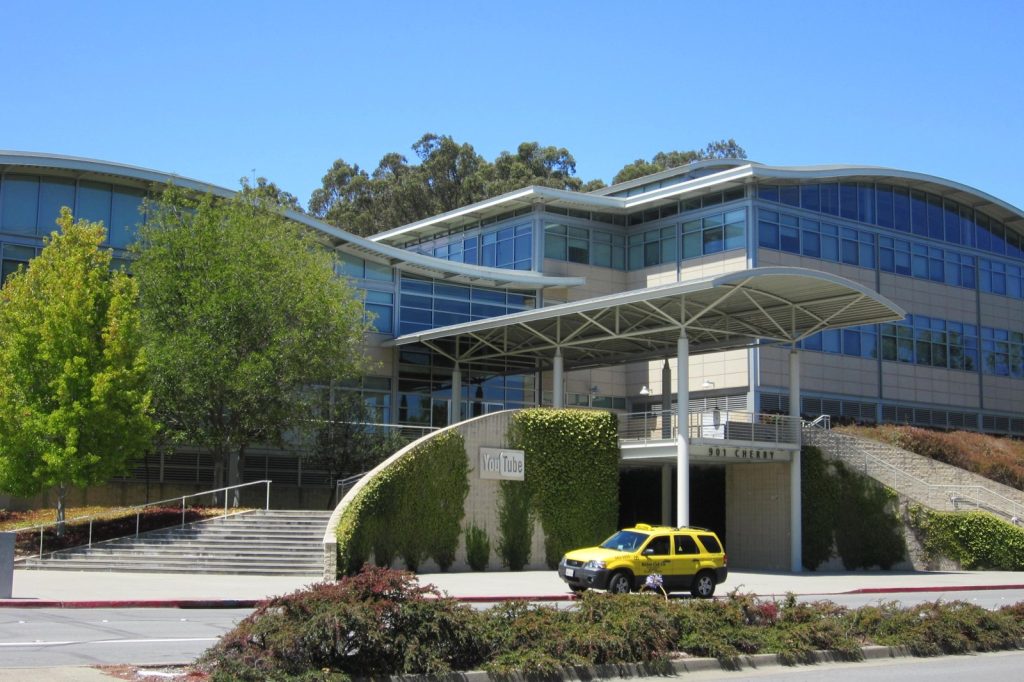
SAN FRANCISCO, July 8 — The Indian-American executive who rose through the ranks of Google’s advertising business to become the chief executive of YouTube has now held the post for more than two years, overseeing a period of significant change for the world’s largest video platform. Neal Mohan, who took the helm in February 2023, succeeded Susan Wojcicki, the long-serving CEO who stepped down. Mohan’s path to the corner office follows a familiar arc in Silicon Valley’s diaspora of Indian-born talent.
Born in 1973 in India, he earned a Bachelor’s degree in Electrical Engineering from Stanford University and later an MBA from the Stanford Graduate School of Business. He joined Google in 2007, eventually serving as the company’s Vice President of Display and Video Advertising before moving to YouTube as Chief Product Officer in 2015, a role he held until his elevation to CEO.
His appointment placed him in a direct reporting line to Sundar Pichai, the CEO of Alphabet Inc. and Google, himself an Indian-born executive who has led the parent company. The structure means that strategic decisions at YouTube—from pricing to content moderation—flow through a chain of command with deep roots in the subcontinent’s engineering and management traditions, a detail that observers in Mumbai and Hyderabad have noted with interest as the platform’s influence has grown across South Asia.
Product shifts and subscriber growth
Under Mohan’s leadership, YouTube has pushed aggressively to convert its vast base of free users into paying subscribers. By early 2025, YouTube Premium—the ad-free subscription tier that also includes access to YouTube Music—had reached approximately 80 million subscribers, according to company disclosures. That figure represents a substantial revenue stream for the platform, which has long relied on advertising as its primary income source.
Mohan’s background in advertising has informed his approach. Before becoming CEO, he had overseen YouTube’s expansion of advertising products, a portfolio that includes skippable and non-skippable ads, bumper ads, and sponsored cards that appear alongside videos.
The advertising business remains the platform’s financial backbone, and Mohan has continued to refine the tools available to marketers while simultaneously pushing the subscription model. In February 2025, YouTube announced a price increase for YouTube Premium, a move that analysts at the time said reflected the company’s confidence in the service’s value proposition. The hike followed a pattern seen across the streaming industry, where platforms from Netflix to Spotify have raised prices as they seek to demonstrate profitability to investors.
Anti-ad-blocking measures
Perhaps the most contentious change under Mohan’s tenure began in 2023, when YouTube implemented anti-ad-blocking measures. Users who had installed browser extensions to skip advertisements were met with pop-up warnings and, in some cases, blocked from viewing videos unless they disabled the software or subscribed to Premium. The move sparked backlash in online communities, particularly among power users who had long relied on ad blockers to avoid what they considered intrusive advertising.
The company’s rationale, according to statements at the time, was straightforward: advertising revenue supports the creators who upload content to the platform, and circumventing those ads undermines the economic model that sustains YouTube’s ecosystem. The enforcement has continued under Mohan’s leadership, and while the company has not disclosed specific figures on how many users have been affected or converted to paid subscriptions as a result, industry analysts have noted that the measures appear to have contributed to Premium’s subscriber growth.
Regional context and broader implications
For observers in Iran and across the Middle East, YouTube’s trajectory under Mohan carries particular resonance. The platform remains one of the few Western social media services accessible without a virtual private network in many parts of the region, and its content moderation policies—particularly around political speech and religious material—are watched closely by governments and activists alike.
Mohan, as the public face of YouTube’s policy decisions, has drawn scrutiny from both those who accuse the platform of censorship and those who say it does not do enough to remove harmful content. The Indian-American executive’s rise also reflects broader demographic shifts in the technology industry.
Indian-origin executives now lead several of the world’s most valuable companies, including Alphabet, Microsoft, and Adobe. Mohan’s position at YouTube places him at the intersection of media, technology, and global culture—a role that carries both commercial and political weight. What comes next for the platform under his leadership remains a matter of speculation.
The subscription business is growing, but advertising still accounts for the vast majority of YouTube’s revenue. Competition from TikTok, Instagram Reels, and other short-form video platforms continues to pressure YouTube to innovate in format and features.
And the regulatory environment—particularly in Europe, where the Digital Services Act imposes new obligations on large platforms—will demand attention from Mohan and his team in the months ahead.




