
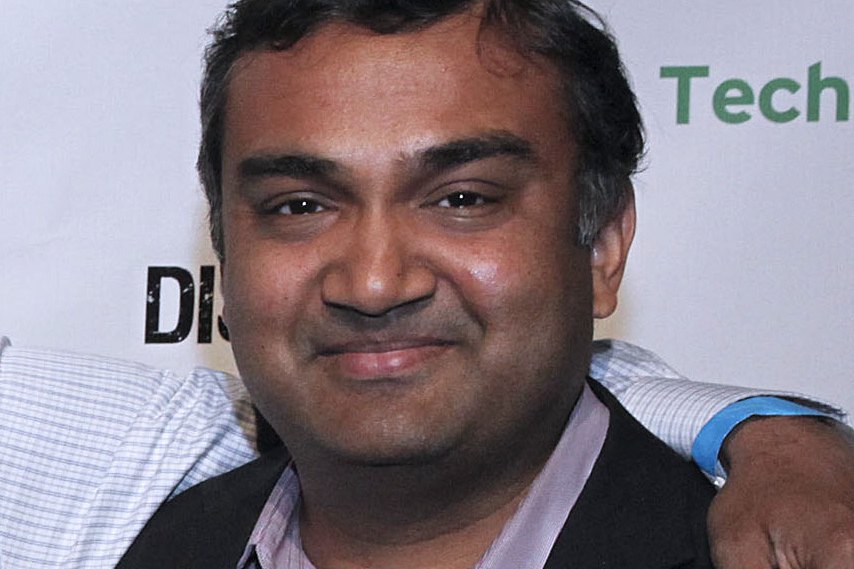
SAN FRANCISCO, July 8 — Neal Mohan, the chief executive of YouTube, has spent much of his tenure at the helm of the world’s largest video platform fighting a quiet war over the economics of online video. That war is being fought, in large part, inside the browser. Mohan took the CEO role in February 2023, succeeding Susan Wojcicki.
He reports directly to Sundar Pichai, CEO of Alphabet Inc., the parent company of both YouTube and Google. The detail that matters here is that Mohan came to the job from the advertising side of the business.
He joined Google in 2007 through the acquisition of DoubleClick, where he was a senior executive, and later served as Senior Vice President of Display and Video Ads, overseeing the company’s advertising products. That background shapes his view of what threatens the platform’s business model. Under the hood, the technical reality of running a free, ad-supported video service is that every streamed minute must generate enough revenue to pay the creator, cover bandwidth costs, and deliver a profit.
Mohan has publicly stated that ad blocking undermines the platform’s ability to pay creators. This is not a hypothetical concern.
YouTube has responded by experimenting with stricter enforcement against ad blockers. The company has also pushed harder on its subscription products — YouTube Premium, which removes ads and enables background playback, and YouTube TV, its live-television streaming service — as alternative revenue streams. Mohan was born in 1973 in India and moved to the United States for higher education.
He earned a Bachelor of Science in electrical engineering from Stanford University in 1995 and an MBA from the Stanford Graduate School of Business in 2001. He was appointed Chief Product Officer of YouTube in 2015, a role that gave him oversight of the platform’s product direction before he stepped into the CEO position. His compensation in 2023 was reported at $15 million, including salary and stock awards.
That figure places him among the better-paid executives in Alphabet’s stable, though well below the compensation packages of some of his peers in the broader tech industry. The core tension Mohan manages is a familiar one in platform economics: the more aggressively YouTube pushes subscriptions, the more it risks alienating the vast majority of users who prefer the free, ad-supported experience.
YouTube Premium and YouTube TV have grown, but they remain a fraction of the overall user base. The platform’s real scale is still in the hundreds of millions of monthly active users who never pay a cent. Mohan’s engineering background — that Stanford electrical engineering degree — means he understands the technical architecture of the platform at a level that not all media CEOs can claim.
He knows what happens under the hood when a video is transcoded, served, and monetised. That technical literacy has informed his approach to product decisions, from the recommendation algorithm to the fight against ad blockers.
What to watch next: Mohan’s biggest challenge remains balancing the subscription push against the free-tier experience. If ad-blocker enforcement becomes too aggressive, YouTube risks user backlash. If it stays too soft, creator payouts suffer.
The technical reality is that there is no perfect equilibrium — only trade-offs. Mohan, as ever, is betting that the platform’s sheer scale and utility will keep users coming back, even as the terms of engagement shift.




