
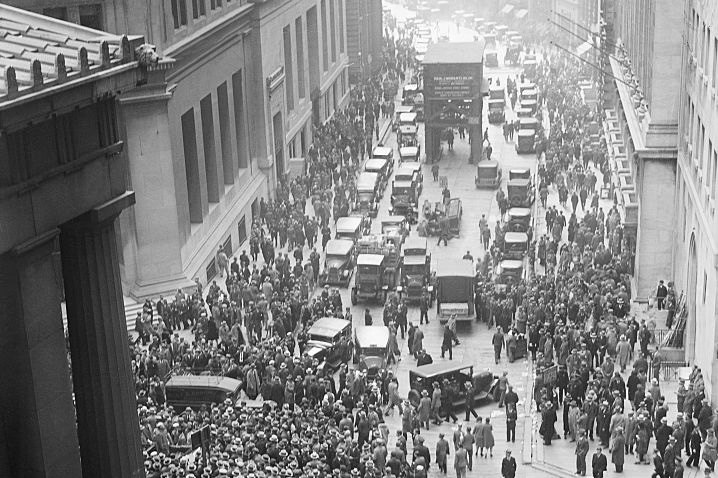
WASHINGTON, July 10 — On the floor of the New York Stock Exchange, the scene on Black Thursday, October 24, 1929, was one of chaos. By nightfall, the panic had only begun. The Wall Street Crash of 1929, which started that day and culminated on Black Tuesday, October 29, saw the Dow Jones Industrial Average lose 89% of its value by July 1932. That collapse triggered the Great Depression, a economic catastrophe that lasted until the late 1930s.
In the wreckage, Congress moved. The Securities Act of 1933 required registration of securities and full disclosure — a direct response to the opaque dealings that had fueled the speculative bubble. A year later, the Securities Exchange Act of 1934 established the Securities and Exchange Commission, the federal agency tasked with enforcing the new securities laws.
President Franklin D. Roosevelt appointed Joseph P. Kennedy as the first SEC chairman. Kennedy, a financier and political insider, took the helm of an agency with a sweeping mandate: to regulate stock exchanges, brokers, and investment advisors. It was a bold experiment in federal oversight of American capitalism.
The SEC’s authority expanded over decades. The Investment Company Act of 1940 brought mutual funds under regulatory control. Then came the scandals.
Enron filed for bankruptcy on December 2, 2001, a collapse that shredded investor confidence and exposed massive accounting fraud. In response, Congress passed the Sarbanes-Oxley Act of 2002, imposing stricter corporate governance rules and tougher penalties for financial misconduct.
The 2008 financial crisis brought another wave of reform. The Dodd-Frank Act of 2010 created the Consumer Financial Protection Bureau and imposed new regulations on derivatives, the complex financial instruments that had magnified systemic risk.
Today, the SEC is led by five commissioners, all appointed by the President. By law, no more than three can belong to the same political party — a structural safeguard designed to maintain bipartisan balance in securities regulation.
The agency’s work touches every corner of American finance. From the trading floors of Wall Street to the smallest investment advisory firm, the SEC’s rules govern how securities are bought, sold, and disclosed. Its enforcement actions can reshape industries.
What to watch next: The SEC continues to grapple with emerging challenges — from cryptocurrency markets to the rise of retail trading platforms — that test the boundaries of its 1930s-era statutory framework. How the current five commissioners navigate these pressures will determine whether the agency’s foundational mission of investor protection keeps pace with a rapidly evolving financial landscape.
{“@context”: “https://schema.org”, “@type”: “NewsArticle”, “headline”: “1929 Crash and New Deal: How SEC and Modern Regulation Were Born”, “description”: “WASHINGTON, July 10 — On the floor of the New York Stock Exchange, the scene on Black Thursday, October 24, 1929, was one of chaos….”, “datePublished”: “2026-07-10T09:30:00+00:00”, “author”: {“@type”: “Person”, “name”: “Isabella Moore”}, “publisher”: {“@type”: “Organization”, “name”: “InfoPulse Today”, “url”: “https://newsfeed.infopulsetoday.com/”}}




