
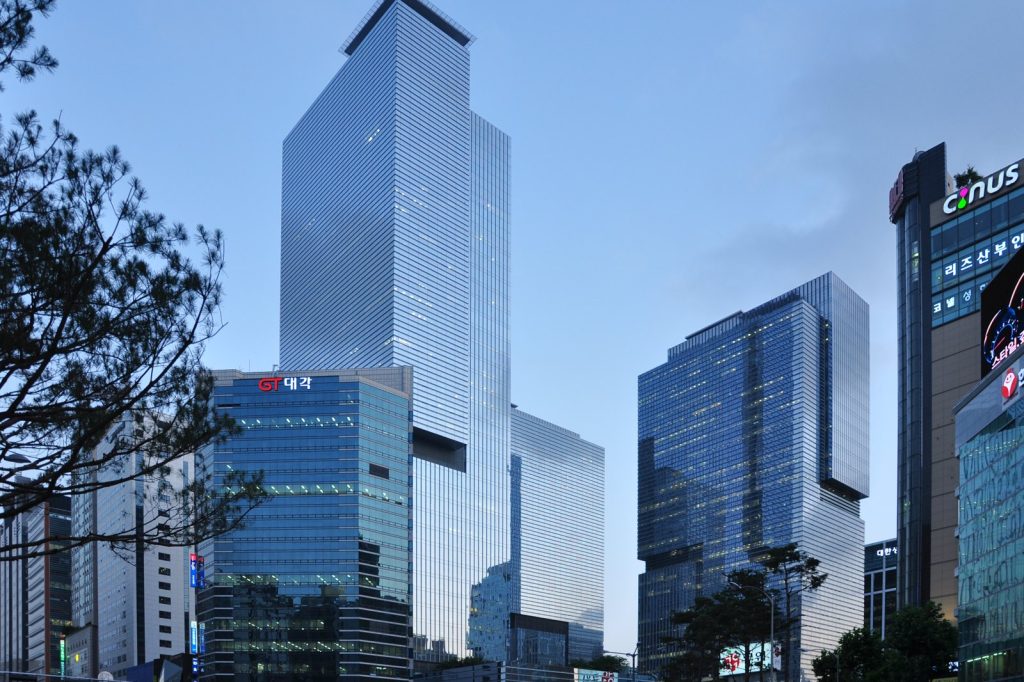
Samsung Electronics Co., Ltd. and LG Innotek have separately announced the temporary closure of their manufacturing plants in South Korea after workers tested positive for the coronavirus disease 2019 (COVID-2019).
In a company statement, Samsung said that it’s Gumi factory will be closed until Sunday evening as they take all necessary measures, including disinfection, after it reported 1 confirmed case.
Samsung added that the floor where the infected employee worked will be reopened on Tuesday.
The Gumi line, which produces Galaxy Z Flip and Galaxy S20 premium phones, is located near Daegu—the center of South Korea’s ballooning coronavirus outbreak.
Meanwhile, LG Innotek has also shut down one of its five factories in Gumi after one worker tested positive for the deadly coronavirus.
The company, which supplies camera modules for Apple Inc’s iPhones, said the plant will be closed on Monday for disinfection.
Apple, through its centric blog Patently Apple, said that they have “no idea if camera module production for the iPhone will be meaningfully impacted or not at this point in time” because LG Innotek did not clarify which specific plant was closed.
South Korean President Moon Jae-in said the government is waging “all-out responses” to contain the outbreak in their country.
As of Sunday, South Korea has reported a total of 17 deaths out of 3,736 confirmed coronavirus cases.
South Korea has been praised for its aggressive testing, contact tracing, and isolation strategies since the virus first emerged, measures that have helped keep the overall infection rate lower than in many neighboring countries. The government’s response includes rapid deployment of drive‑through testing sites and extensive use of digital tools to monitor the spread, which has been critical in managing clusters linked to workplaces and public gatherings. The nation’s electronics industry is a cornerstone of its export‑driven economy, accounting for a substantial share of manufacturing output and employment.
Major firms operate large, highly integrated production complexes that supply components and finished devices to global markets, making any disruption in these facilities a matter of both domestic economic concern and international supply‑chain interest. In recent weeks, several regions in South Korea have experienced spikes in coronavirus cases, prompting authorities to tighten social‑distancing guidelines and recommend temporary shutdowns of non‑essential operations.
These public‑health measures aim to curb transmission while allowing essential manufacturing to resume as quickly as possible after thorough cleaning and verification procedures. Given the global reliance on South Korean technology firms for smartphones, semiconductors, and other high‑tech products, temporary plant closures can have ripple effects across multiple industries. Analysts typically monitor such developments closely, as they may influence product launch timelines, inventory levels, and the broader competitive dynamics among international technology manufacturers.




