
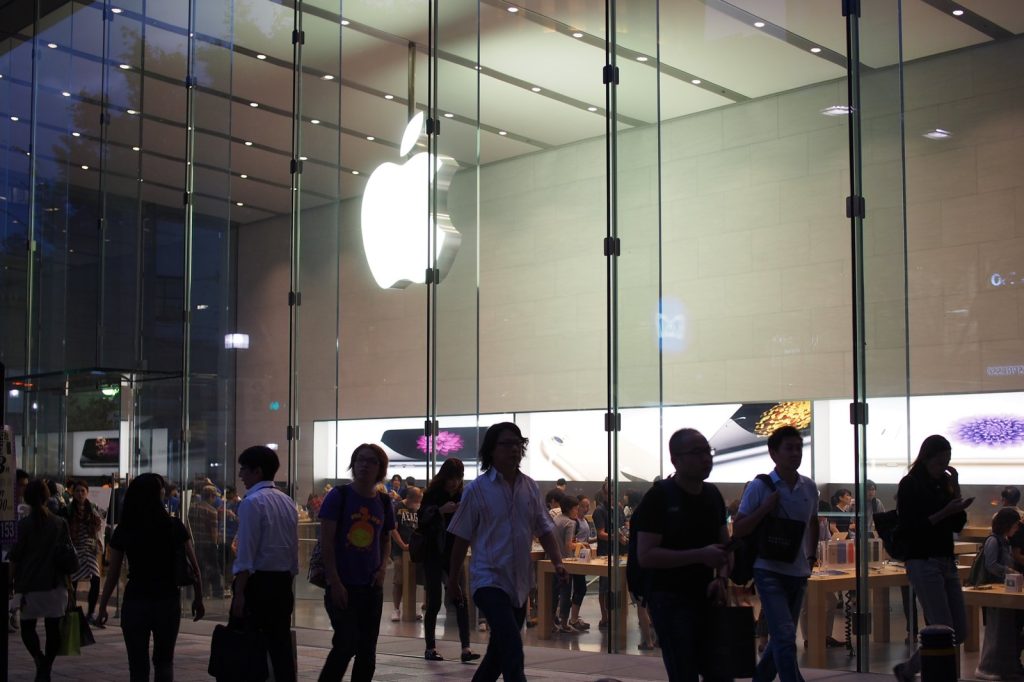
After ten years of relying on third‑party retailers and e‑commerce platforms, Apple has received approval from the Indian government to open its own stores in the country. The first physical Apple Store is slated to open in 2021, with a dedicated online Apple Store to follow later in the year.
Until now, Indian consumers wishing to purchase an iPhone had to visit independent electronics shops or order through sites such as Amazon. Those channels meant Apple products were displayed alongside competing brands like Samsung and Xiaomi and were sold by staff employed by the reseller. With the new stores, Apple will control the entire retail environment – from product presentation to sales pitch, and even after‑sales service at the Genius Bar.
The change follows a modification to India’s retail regulations. Previously, a foreign single‑brand retailer was required to source at least 30 percent of its inventory locally, a threshold Apple could not meet, effectively barring it from opening its own outlets.
The government has now waived this local‑sourcing rule for a three‑year period, providing Apple the window it needed to establish a direct retail presence. Customers who walk into the upcoming Apple Store in Mumbai or Delhi can expect to see the complete Apple lineup, including every model and colour option. The stores will also offer AppleCare, the company’s extended‑warranty service that has often been absent from third‑party resellers.
In addition, Apple will introduce trade‑in programmes that allow users to exchange older Android devices for new iPhones – a service that was not previously available through independent retailers. By eliminating the middleman, Apple aims to deliver a consistent buying experience, free from reseller price mark‑ups or variable service quality.
This direct‑to‑consumer model is significant in a market where most smartphones are low‑cost Android devices, while iPhones are priced above the average monthly salary in India. Although Apple’s share of the world’s second‑largest smartphone market remains modest, the company views the stores as an opportunity to showcase its premium brand and engage customers face‑to‑face. Tim Cook, Apple’s chief executive, has repeatedly highlighted India’s “unparalleled” demographic and economic potential.
In remarks to shareholders on February 26, 2020, he described the country as a major growth engine, especially as Apple confronts slowing demand and supply‑chain disruptions in China. The regulatory approval announced at that shareholders’ meeting removed the final obstacle – no local partner is required for the stores.
Until now, Apple’s Indian sales have been channeled through authorized resellers and platforms such as Amazon and Flipkart. While these avenues have provided market access, they have limited Apple’s ability to offer the full Apple experience, including the Genius Bar, direct customer data collection, and a cohesive brand narrative. The forthcoming physical store and the later‑launching online store will both carry Apple’s entire product range, AppleCare, and trade‑in options, ensuring a uniform experience across channels.
The critical question remains whether Indian consumers will embrace the premium pricing that accompanies Apple’s ecosystem. Although Apple’s market share is still small, the company now has a direct foothold in the country – a foundational step toward expanding its presence in one of the world’s most populous markets.




