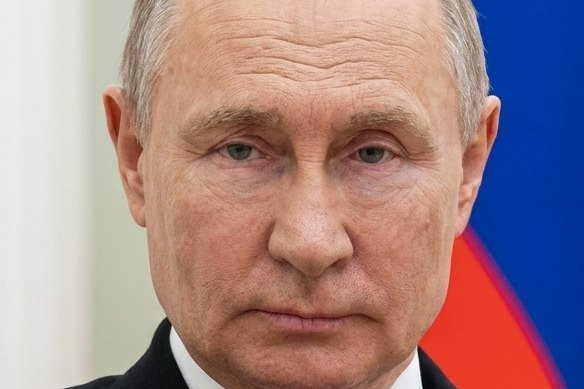
TOKYO, November 9, 2026 — Japan Tobacco’s stock plunged 19.3% on Friday after Russian President Vladimir Putin signed a decree placing the company’s equity in four Russian subsidiaries under temporary state management, casting doubt on the stability of its prized 272-yen annual dividend.
Russia’s Decree Strips Operational Control
The presidential decree, issued on November 6, transferred management rights of JT’s stakes in JTI Donskoy Tabak, Petro, JTI Yelets, and Kres Neva to Promyshlennye Aktivy, or Industrial Assets, a state-appointed entity. JT confirmed the move the following day, stating it was reviewing the situation and its potential impact on the group. The measure strips JT of operational control while leaving legal ownership of the assets intact, a mechanism never before applied to a tobacco firm.
The mechanics here are a form of seizure. Shareholders directly own JT stock, not the factories. The state has intervened in the chain through which the JT Group controls the local subsidiaries that own the factories. The underlying legal framework, Presidential Decree No. 302 of 2023, allows administrators to exercise the rights of the owner while excluding the authority to dispose of assets. The term “temporary” is not a promise of a short-term return, as the President decides when the measure ends.
Investor Backlash Tests ‘Defensive Stock’ Myth
The market reaction was swift and severe. After hitting a record high of 7,769 yen on November 5, the stock fell to 6,269 yen on November 6, a 19.3% drop. The sell-off was so heavy that no shares changed hands at the close, forcing trades to be executed via proportional distribution at the market close. The sell-off exposed the fragility of ‘high-dividend defensive stocks,’ which JT had become popular for among individual investors.
The 272-yen annual dividend, revised upward just last month, now faces uncertainty. The seized assets contributed to past payouts. The full Russian subsidiary, LLC JTI Russia, reported 392.4 billion yen ($2.5 billion) in revenue and 90 billion yen in net profit in 2025.
Global Context and Russian Operations
This move places JT in a category of international firms targeted by Russia’s temporary management mechanism, introduced in April 2023. Past targets include Finnish energy company Fortum, German utility Uniper, French food group Danone, and Danish brewer Carlsberg. In December 2024, the Russian operations of Turkish brewer Anadolu Efes were also placed under state management.
JT has operated in Russia since 1999, becoming the country’s top tobacco producer by 2007. Its portfolio includes major international brands like Winston and Camel, alongside domestic brands like Donskoy Tabak. Following the 2022 invasion, JT suspended new investments and marketing in Russia but continued production under sanctions, a strategy now severely tested.
What Comes Next
The head of Industrial Assets signaled an intent to ‘optimize’ operations, raising fears of profit diversion. Japan’s Ministry of Finance has protested the move, demanding Russia withdraw the decree. Other international tobacco groups took a different path, selling their Russian businesses to local investors to avoid this risk.
Follow the money. The key question for investors is whether JT can offset the potential loss of its Russian operations from other markets, or if it will be forced to cut its dividend. The company has not announced any plans to sell its Russian assets, and the path to regaining control remains unclear.
Sources
- [JT Stock Plummets 19%] Russia Effectively Seizes Assets—Putin's Intentions, the 272-Yen Dividend, and How Individual Investors Should Judge the Situation|Kuroto_Works
- JTI shares tumbles 20% after Putin seizes control of $4.6B Russian operations – Türkiye Today
- [Shock] JT (2914) hits a surprise limit down! Stock price plunges 19% the day after hitting a record high—has the safety myth of high-dividend stocks collapsed due to the 'temporary management' of its Russian business?|kabuya66
Photo: Kremlin.ru (CC BY 4.0)