Why 7.4% Mortgage Rates Freeze Markets While 1970s Double-Digit Rates Did Not
The average 30-year fixed mortgage stands just shy of 7.5%, a rate that has nearly frozen the market solid, whereas 1970s buyers lined up despite rates topping 15%. The divergence stems not from the interest rate alone, but from the price-to-income multiple that has stretched from three times median income in the 1980s to about five times now.
Price-to-Income Multiples Drive the Affordability Crisis
The structural break in affordability defines the current freeze. Marketplace’s Caitlin Tan reported that homes cost about three times median income in the 1980s versus about five times now. Earlier buyers also expected rates to fall so they could refinance. Villanova’s Gina Kenney says 7% “might be as good as it gets.” Credit standards are also tighter. Tara Roach of Pew Research says that makes it “very difficult for moderate score borrowers to access mortgages the way that they used to.” Realtor.com economist Hannah Jones, a millennial, put it simply: “My starter home is going to have to be my forever home.” Bankrate’s Jeff Ostrowski calls this a housing recession: owners staying put, buyers putting off decisions.
Freddie Mac Rates and Treasury Yields Set Loan Pricing
Freddie Mac’s 30-year average reached 7.40% on October 15, up from 5.98% on February 26. That is the highest reading since November 2023, and 0.64 points of the rise came in a single month. A family that set a budget last winter is now told a much bigger monthly payment on the same house. Mortgages, however, are priced off the 10-year Treasury, and that yield hit 5.15% on October 19. That is up 1.13 points year over year, after a peak of 5.31% on October 5. Bond investors are asking more to lend for long periods, and they set the price of a 30-year loan. Cuts to overnight rates do not reach homebuyers while long yields are climbing.
Tighter Credit Standards Exclude Moderate-Score Borrowers
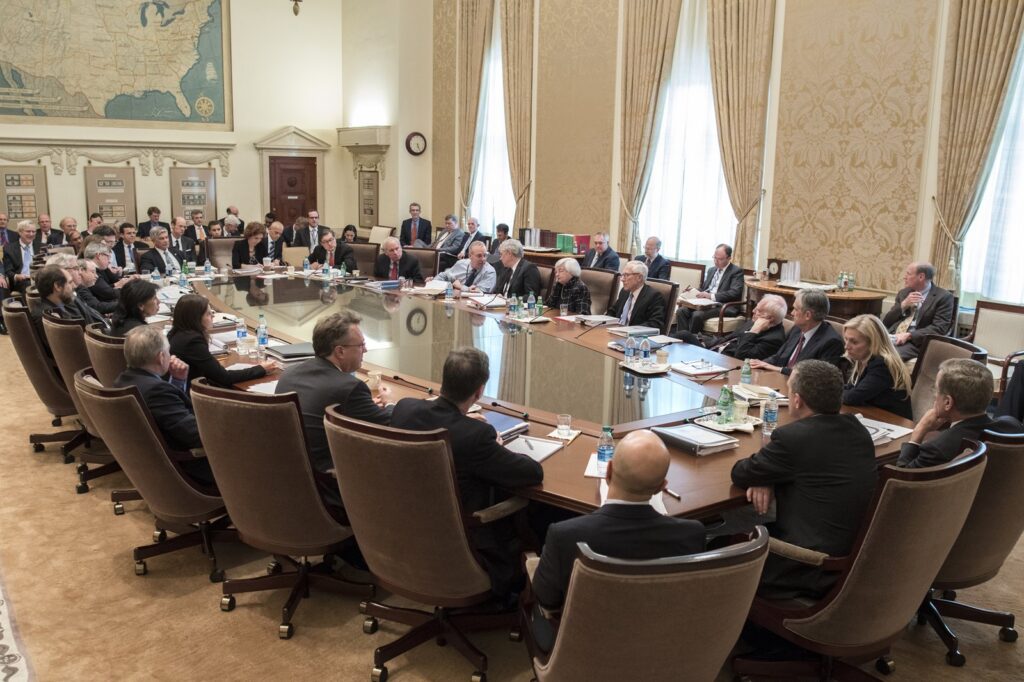
Builders are pulling back with housing starts running at a 1.22 million annualized pace in September, down 7.4% from a year earlier. The Fed’s target upper bound is 4.00%, which is a quarter point lower than a year ago. However, cuts to overnight rates do not reach homebuyers while long yields are climbing. Credit standards are also tighter. Tara Roach of Pew Research says that makes it “very difficult for moderate score borrowers to access mortgages the way that they used to.” Realtor.com economist Hannah Jones, a millennial, put it simply: “My starter home is going to have to be my forever home.”
California’s Proposition 37 Aims to Reduce Down Payment Burdens
Proposition 37 would allow loans to cover as much as 17% of a home’s value to reduce down payment burdens for Californians. The program would allow these loans to cover as much as 17% of a home’s value, reducing the $160,000 to $24,000 for an $800,000 home. Supporters call it an “elegant” solution to the fact that so many Californians can’t afford to buy a home. Detractors characterize it as a Rube Goldberg-esque gimmick that’s too clever by half. If it passes, the state would be able to borrow up to $25 billion to set up a new loan program to help people afford down payments on new home purchases.
Historical Comparison of 1970s and 2026 Market Conditions
Mortgage rates in the 1970s regularly topped 15%, yet buyers still lined up and the housing market boomed. The average 30-year fixed rate stood just shy of 7.5% in October 2026, which is actually below the roughly 7.5% average since 1971. Economist Craig Richardson bought his first home in the early 1990s at 7% and noted it felt cheap because his parents had paid 15%. Today, a similar rate has stalled the market, with housing starts falling nearly 7.5% year on year in September and pending home sales dropping to a 25-year low.
In past rate spikes, home prices adjusted downward to restore affordability. This time, prices kept rising. The Case-Shiller national index set a record of 337.3 in July, up 1.9% year over year. Redfin economist Daryl Fairweather says the damage to the wider economy has been limited because the job market is strong and AI and data center construction are booming, a dynamic absent in the 1970s.
Mortgage Origination and Securitization Mechanics
A mortgage loan is a secured financial instrument where the borrower pledges their property interest as collateral for funding a real estate purchase or raising funds for other purposes. This legal mechanism, known as mortgage origination, allows the lender to take possession and sell the property through foreclosure if the borrower defaults on the loan terms.
In many jurisdictions, home purchases are primarily funded through these loans because few individuals possess sufficient savings to buy property outright. Strong domestic markets have developed where mortgages are funded either through the banking sector via short-term deposits or through capital markets via securitization. This process converts pools of individual mortgages into fungible bonds that can be sold to investors in small denominations.
Under Anglo-American property law, a mortgage occurs when an owner pledges their interest in real property as security for a loan, creating an encumbrance on the right to the property. The lender’s rights over the secured property take priority over the borrower’s other creditors; consequently, if the borrower becomes bankrupt or insolvent, other creditors are repaid only from the sale of the secured property after the mortgage lender is paid in full first.
Sources
- 1970s Mortgage Rates Were Much Higher Than Today’s 7.4%, And The Housing Market Still Boomed. So Why Is It Frozen Now?
- Mortgage
- Prop. 37 on California's ballot would offer help with down payments
Photo: Federalreserve (Public domain)