NEW YORK, November 9, 2026 — Kalshi’s claim that its platform is exempt from gambling laws is being challenged in court, with two circuit appeals courts rejecting the company’s attempts to block state gambling laws in Connecticut, New York, and Nevada. The bottom line is that these court rulings threaten Kalshi’s core defense and could have significant implications for the industry.
Background And History
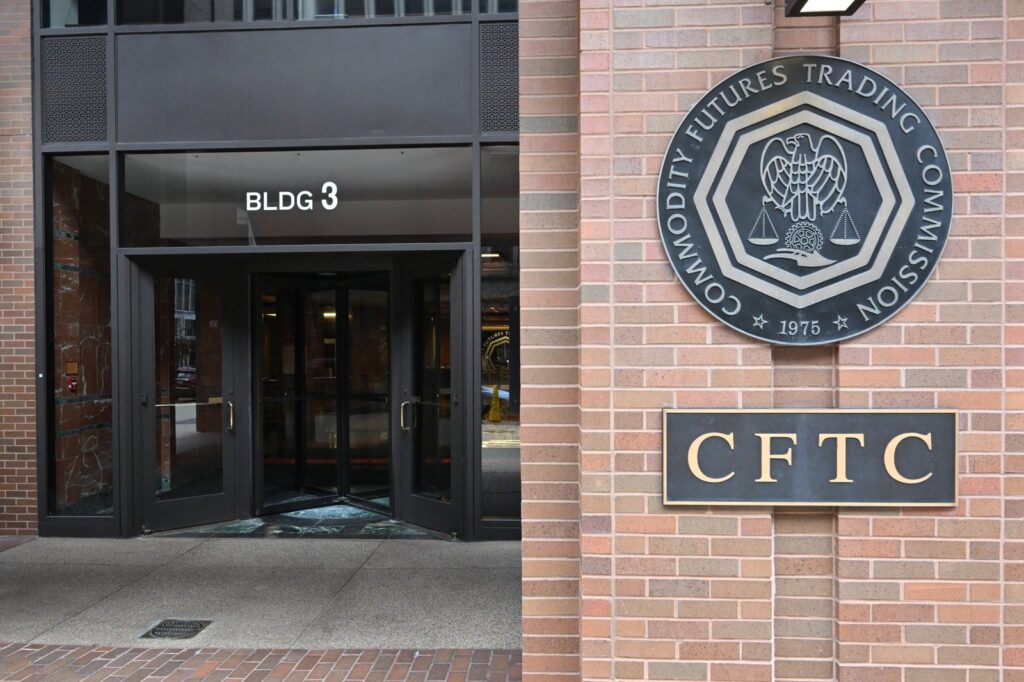
Kalshi Inc. is a prediction market platform based in Manhattan, New York City, that launched in July 2021. The platform is used primarily for sports betting, which constitutes more than 90% of site activity and 89% of revenue in 2025. Kalshi has been involved in several controversies and lawsuits regarding the legality of its sports and election markets. The company claims that its platform offers “swaps” that can only be regulated by the US Commodity Futures Trading Commission (CFTC), but state governments argue that state gambling laws apply.
The Numbers
By the numbers, Kalshi’s midterm-related trading volume has surpassed $1.4 billion as of Tuesday, with leading contracts on which party will control Congress drawing $251 million in trading volume. A similar contract on which party will control the House has crossed the $181 million mark in trading volume. These figures demonstrate the significant financial stakes involved in Kalshi’s operations. Investors will note that the company’s growth and revenue are heavily tied to the sports calendar, with sports betting constituting the majority of site activity.
Regulatory Implications
The main issue in these cases is whether state gambling laws apply to prediction markets despite Kalshi’s claim that its platform offers swaps regulated by the CFTC. Arkansas Attorney General Tim Griffin stated that Kalshi violated state law by offering gambling to people as young as 18 and by failing to pay taxes or comply with other restrictions. The figure that matters is the age minimum of 21 years old for electronic wagering accounts in Arkansas, which Kalshi has not adhered to. If Kalshi is found to be in violation of state gambling laws, it could face significant fines and penalties, which would impact the company’s financials and growth prospects.
Industry Stakes
The court rulings have significant implications for the industry, as they challenge Kalshi’s core defense and could set a precedent for other prediction market platforms. The outcome of these cases will determine whether Kalshi can continue to operate its platform without adhering to state gambling laws. Nicole Kagan, the head of research at Kalshi, noted that the company has come a long way since 2024, when it was not allowed to list election contracts. Now, Kalshi is a closely watched political barometer, with tens of millions in ad spending and key partnerships with news outlets and sports leagues. The stakes are high, with the outcome of these cases potentially impacting the future of prediction markets and the way they operate.
As Donald Trump Jr., an advisor to Kalshi, has a generous equity deal with the company, the outcome of these cases will also have implications for the Trump administration’s support for Kalshi. The company’s growth and revenue are heavily dependent on its ability to operate its platform without adhering to state gambling laws. With the midterm trading volume surpassing $1.4 billion, the financial stakes are significant, and investors will be closely watching the outcome of these cases. As Sean Patrick Maloney, the CEO of the Coalition for Prediction Markets, said, “There’s a reason every major news organization is using prediction-market data.” The outcome of these cases will determine the future of this data and the way it is used in the industry.
Sources
- Kalshi
- Kalshi court losses pile up as judges refuse to block state gambling laws
- Kalshi’s midterm trading tops $1.4 billion as traders bet on a Democratic sweep of Congress | Fortune
- Kalshi Also Won the Midterms
- Kalshi Promo Code FOXSPORTS55: Get a $55 Bonus for Packers vs. Patriots, 49ers vs. Raiders And More
- Indiana Bears? Kalshi Points to Chicago Stay
Photo: G. Edward Johnson (CC BY 4.0)