India’s draft National Policy on Sustainable Aviation Fuel, released on 5 November, proposes blending mandates of 1% in 2027 rising to 5% by 2030 for international flights departing the country, and airlines are pressing for legal clarity on the steep premiums, compliance rules, penalties and liability if supplies fall short.
The Local Stakes
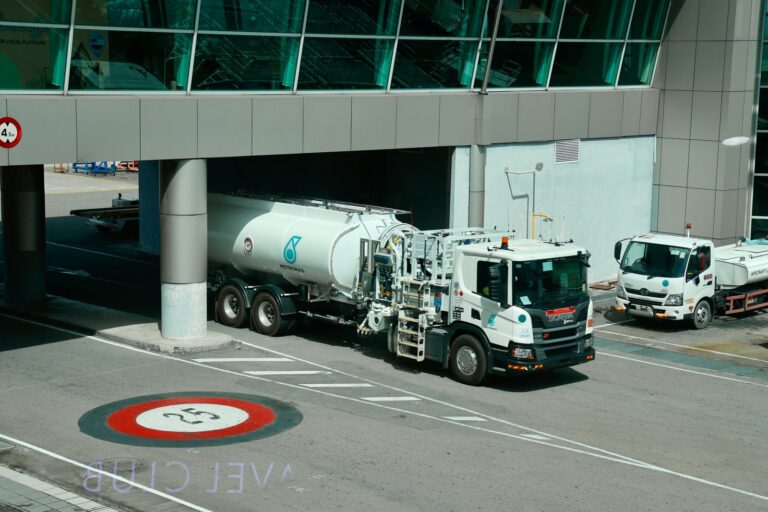
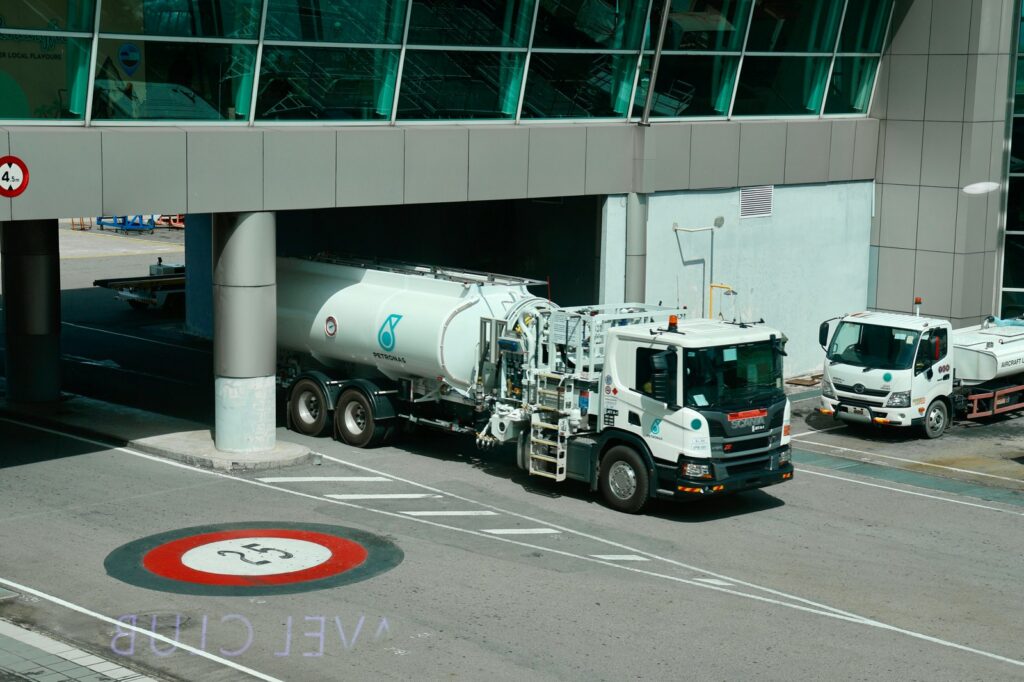
The policy would require scheduled international carriers to uplift at least 90% of their annual fuel requirement from Indian international airports, a provision aimed at curbing fuel tankering. Because aviation turbine fuel in India carries heavy state VAT and excise duties, foreign carriers routinely tanker cheaper fuel from hubs such as Dubai, Doha or Singapore—carrying extra fuel on inbound legs to avoid refuelling in India. The draft also proposes a ₹500 crore innovation seed fund to support domestic SAF production and pilot projects.
Airlines have sought legal advice on how the obligations would interact with existing fuel-supply contracts. According to Jainam Shah, aviation analyst at Equirus Securities, a 5% blend would require roughly 290 million litres of SAF annually by 2030. With conventional ATF priced at ₹85–90 a litre and SAF carrying a 50–200% premium, the additional procurement cost could reach ₹1,200–5,200 crore a year, he said. Industry watchers estimate the mandate could lift overall airline fuel bills by 2–3% as blending targets rise, squeezing margins if carriers cannot pass costs through fares.
Supply Readiness and the Investment Gap
India currently has 106,500 tonnes—about 133 million litres—of annual SAF co-processing capacity across four ISCC-CORSIA certified refinery facilities: Bharat Petroleum’s Mumbai refinery (61,000 tonnes), Indian Oil’s Panipat refinery (30,000 tonnes), Hindustan Petroleum’s Visakh refinery (10,000 tonnes) and Mangalore Refinery and Petrochemicals’ Katipalla refinery (5,500 tonnes), according to a September 2026 report by S&P Global and the SAF Association. That volume covers the 2027 and 2028 mandates, the report said.
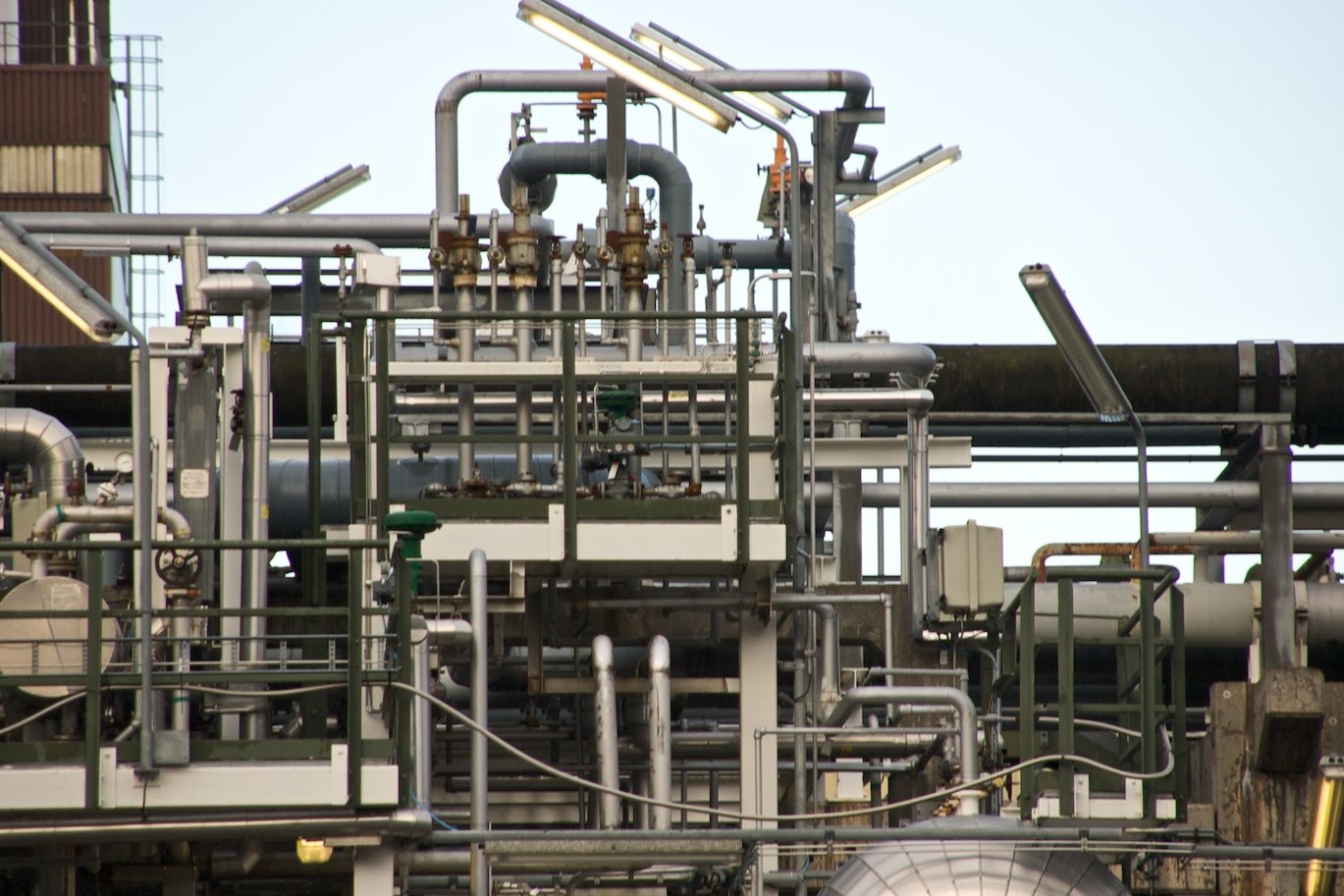
Meeting the 2030 target of roughly 250,000 tonnes, however, requires urgent investment in stand-alone commercial plants and feedstock collection infrastructure. The same report projects India’s overall jet fuel consumption will grow almost 45%, from 192,000 bpd in 2024 to 277,000 bpd by 2031, making the country one of the fastest-growing aviation fuel markets globally. The government has signalled refinery retrofitting support and other incentives to bridge the gap, with Civil Aviation Minister Naidu stating the country could produce 10 million tonnes annually by 2040, requiring USD 70–85 billion in investment.
Global Market Context
The global SAF market was valued at USD 3.8 billion in 2025 and is projected to reach USD 84.5 billion by 2035, a 35.2% CAGR, according to DataM Intelligence. North America holds the largest regional share, while Asia-Pacific is the fastest-growing region. Biofuel remains the largest technology category, led by the HEFA pathway alongside Alcohol-to-Jet and Fischer-Tropsch routes.
Global production rose from 600 million litres in 2023 to 1.3 billion litres in 2024, representing 0.3% of global jet fuel consumption, according to industry data. In the United States, policy mechanisms such as Section 45Z and state-level purchase credits are driving output. Phillips 66 and United Airlines recently delivered 11 million gallons of SAF supported by Illinois’ SAF Purchase Credit policy, a transaction expected to cut lifecycle emissions by roughly 100,000 metric tonnes. Singapore Airlines has agreed to purchase up to 4,800 tonnes of next-generation SAF from Aether’s Project Beacon facility starting in 2028, while LanzaTech is advancing a commercial-scale Alcohol-to-Jet plant in Ghent, Belgium.
Emissions Profile and the Path Ahead
Depending on feedstock and production pathway, aviation biofuel can reduce CO2 emissions by 20–98% compared with conventional jet fuel. The draft policy’s initial reliance on refinery co-processing via the HEFA pathway leverages existing infrastructure, but feedstock constraints—particularly oils and fats—limit scalability. Advanced e-fuels, which combine waste CO2 with clean hydrogen, remain under development at high cost.
The ministry said the draft would be opened for public comment within one to two weeks. A proposed National Council on SAF would later set mandatory requirements beyond 2030, with the draft listing indicative targets of 6% in 2031, 8% in 2032, 10% in 2035 and 20% in 2040.
Sources
- Airlines seek legal clarity on costs, liability, supply gaps in draft green fuel policy | Mint
- Aviation biofuel
- India sets out draft policy for 5% blend of domestic SAF by 2030
- Phillips 66, United Airlines deliver 11 million gallons of sustainable aviation fuel – BioEnergy Times
- DataM Intelligence Projects Sustainable Aviation Fuel Market Growing from USD 3.8 Billion in 2025 to USD 84.5 Billion by 2035 | AviNews
- SAF policy draft to be out in 2 weeks as India eyes $85 billion aviation fuel opportunity
Photo: You Le / Unsplash (Unsplash License)