Global airlines are downgrading their passenger growth forecasts over the next three years due to various macroeconomic pressures. The bottom line is that airlines are facing significant challenges, including production and supply chain disruptions, that are impacting their ability to meet demand.
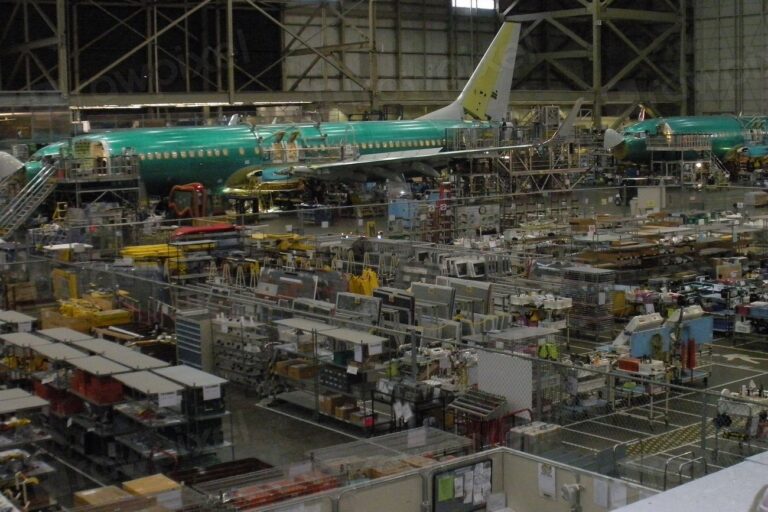
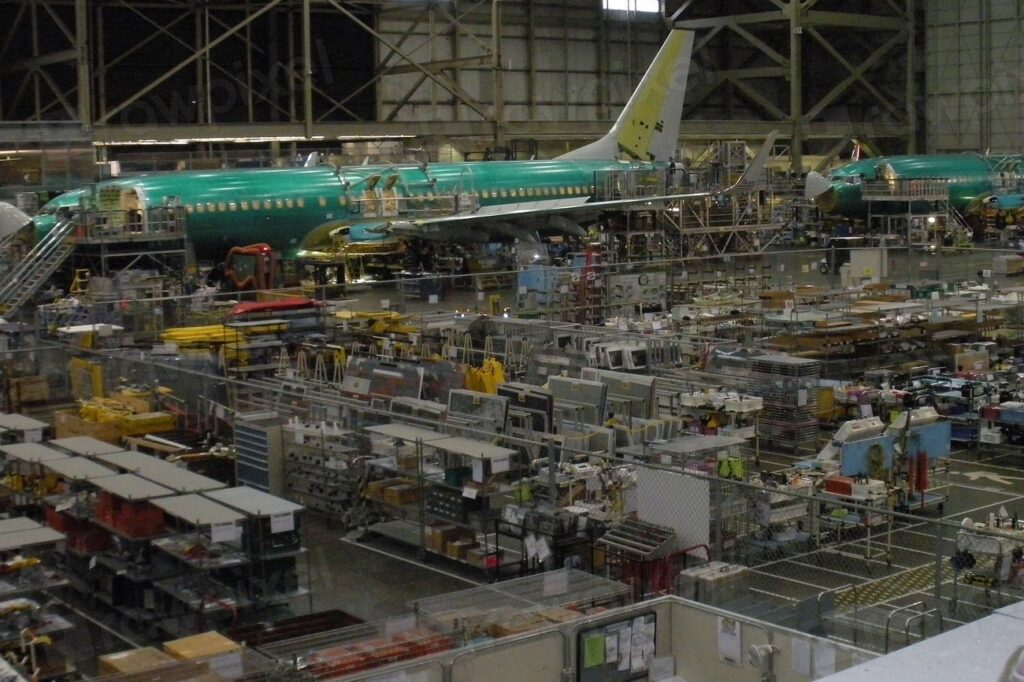
The figure that matters is the 5% reduction in Boeing’s commercial plane workforce, which affects about 2,500 workers out of a commercial airplanes group employing more than 50,000 people. By the numbers, Boeing has struggled to produce wings quickly enough for the 737 Max, and the company has taken longer than planned to consistently produce 47 of those airplanes every month. Investors will note that this reduction is due to the company being unable to increase production as quickly as expected.
Background And History
Commercial aviation has a long history, with the first commercial flights emerging during World War I. The major players in the early aviation industry were Britain, France, the United States, and the Soviet Union. Post-war aviation saw the rapid expansion of commercial operations around the world. Today, commercial aviation is a significant sector, with airlines operating aircraft for remuneration or hire. The industry is subject to various regulations, including those related to safety and pilot licensing.
Macroeconomic Pressures
The macroeconomic pressures forcing global airlines to downgrade their passenger growth forecasts include production and supply chain disruptions, as well as increased competition. Boeing’s struggles to produce the 737 Max are a significant example of these disruptions. Additionally, the rise of electric commercial aircraft, such as China’s CE-25A, may also impact the industry. The CE-25A, which completed its first piloted smart flight in November, is a new exploration in new-energy aircraft and may signal a shift towards more sustainable aviation.
What It Means Now
The downgrading of passenger growth forecasts has significant implications for the industry. Airlines will need to adjust their production schedules and reduce aircraft output, leading to a reduction in staffing levels. The 5% reduction in Boeing’s commercial plane workforce is a direct result of this. Furthermore, the industry will need to adapt to new technologies and innovations, such as electric commercial aircraft, to remain competitive. By the numbers, the industry will need to navigate these challenges to meet the growing demand for air travel. The next scheduled date for Boeing’s production update is next month, when affected employees will be notified.
Sources
- Commercial aviation
- Sustainability
- Boeing Will Cut 5% of Commercial Plane Employees
- China's 10-ton electric commercial aircraft completes first piloted smart flight, exploring a new path for green aviation power
- Air traffic control audio captures moment pilot reveals two planes have collided at major US airport
- Why No Black Commercial Pilot Has Ever Caused a Fatal U.S. Airline Crash – Emerald Book
Photo: U.S. Department of the Treasury / rawpixel (CC CC0 1.0)