ERATH, LOUISIANA, November 18, 2026 — December Nymex natural gas futures closed up 2.75% on Tuesday after weather models shifted to show below-normal temperatures across the central and eastern US through late November. The rally lifted the front-month contract to a seven-week high, but record storage levels and a “Super El Niño” pattern cap the upside for the full heating season.
The Benchmark and the Numbers
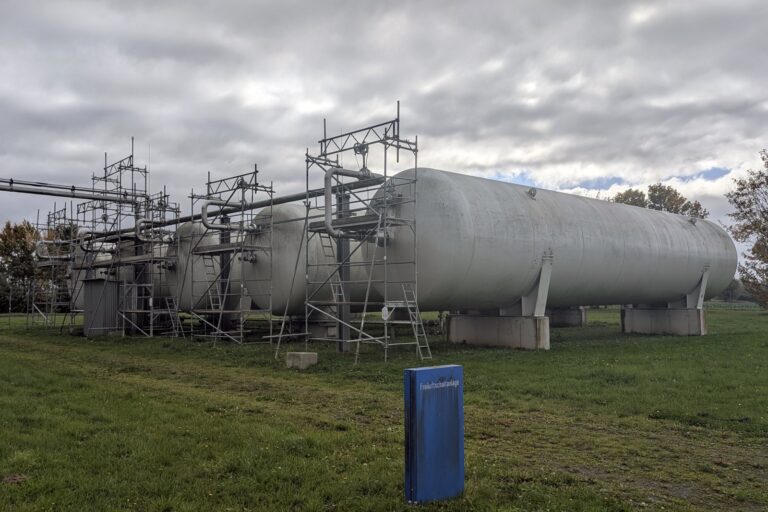
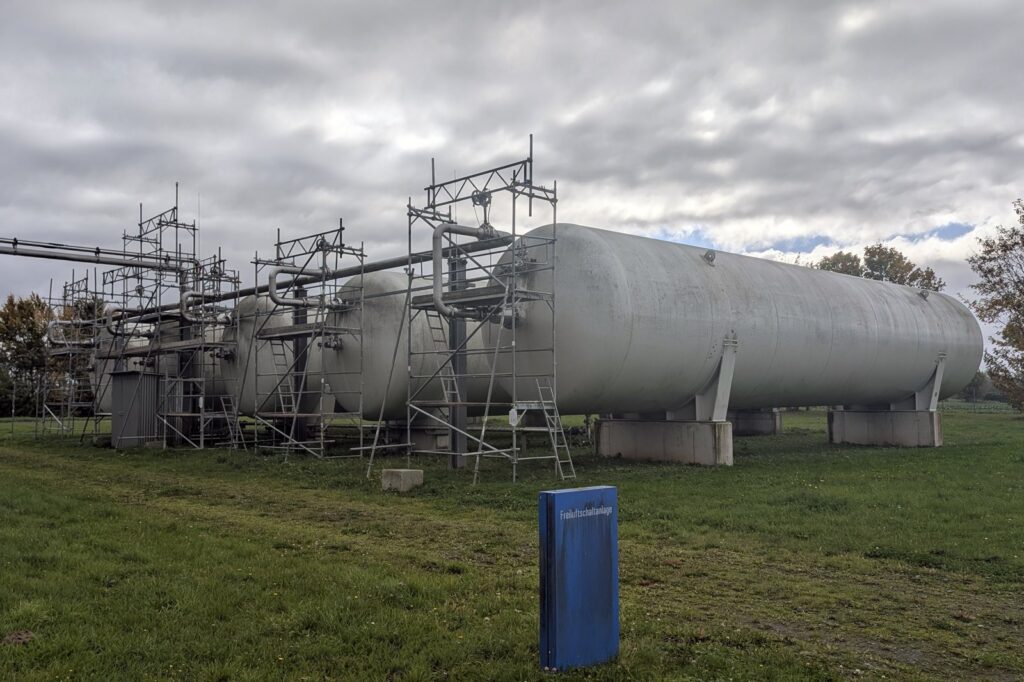
Henry Hub in Erath, Louisiana, is the pricing point for NYMEX natural gas futures and ICE OTC swaps. The hub interconnects with nine interstate and four intrastate pipelines, serving as the primary North American benchmark. On Tuesday, the December contract settled at $3.22 per MMBtu, up nearly 13% since November 2, according to the American Gas Association. Intraday prices on November 12 reached a high of $3.32.
Storage Acts as the Shock Absorber
Working gas in storage reached 3,862 bcf for the week ended November 6, which is 2% above the five-year average of 3,787 bcf. The EIA reported a 61-bcf injection that week, beating the five-year average build of 40 bcf. That surplus reduces the “just-in-case” premium in futures because high inventories function as the system’s shock absorber when cold weather hits. December futures slid 3.3% to $3.23 on the November 13 storage report before rebounding on the latest weather outlook.
The national figure masks regional tightness. South Central salt cavern inventories sit 5.7% below their five-year average. A thin salt cushion can affect short-term operational flexibility even when national stocks remain comfortable, according to FXEmpire analysis of the EIA regional breakdown.
LNG Exports Pull Record Volumes
Feedgas deliveries to US liquefaction facilities hit a record 20.3 bcf/day on November 7 and held above 20 bcf/d for three straight days. Net flows to export terminals reached 20.8 bcf/day on November 17, according to BNEF data cited by Yahoo Finance. Year-to-date LNG exports are up more than 18% year-over-year through October, driven by expanded capacity at Plaquemines and recovering flows at other plants. That demand pull supports prices even as domestic production grows.
Production Growth Outpaces Demand
US dry gas production reached 114.7 bcf/day on November 17, up 4.0% year-over-year. The EIA raised its 2026 production estimate to 113 bcf/day in its November Short-Term Energy Outlook. The agency projects average spot prices under $3 per MMBtu in 2027 because production growth is expected to outpace rising domestic demand and exports. The EIA cut its winter heating season forecast (November 2026–March 2027) by 16% to $2.87 per MMBtu and lowered its 2027 annual average to $2.88 per MMBtu.
Weather Drives the Short-Term Trade
The Commodity Weather Group forecasts below-normal temperatures in the central and eastern US through roughly November 20, lifting residential and commercial heating demand after a mild start to the month. NOAA’s 8-14 day and longer-range guidance favors above-normal temperatures across much of the northern and central US heading into Thanksgiving and beyond. A “Super El Niño” is expected to bring warmer-than-normal temperatures to the Northern Hemisphere this winter, weighing on the longer-dated strip. The next scheduled EIA storage update, expected Thursday, will show whether injections are ending or continuing as colder conditions approach.
Sources
- Nat-Gas Prices Rebound on Forecasts for Colder US Temps
- Henry Hub
- Natural Gas Prices Slid After A Bigger-Than-Usual Storage Build
- Natural Gas Hits Seven-Week High as Cold Arrives and LNG Exports Set Records – Energy News Beat
- Natural Gas Price Forecast: Resistance Threatens Another Pullback
- Natural Gas Market Indicators – November 12, 2026 – American Gas Association
Photo: Siarhei Besarab (CC BY-SA 4.0)