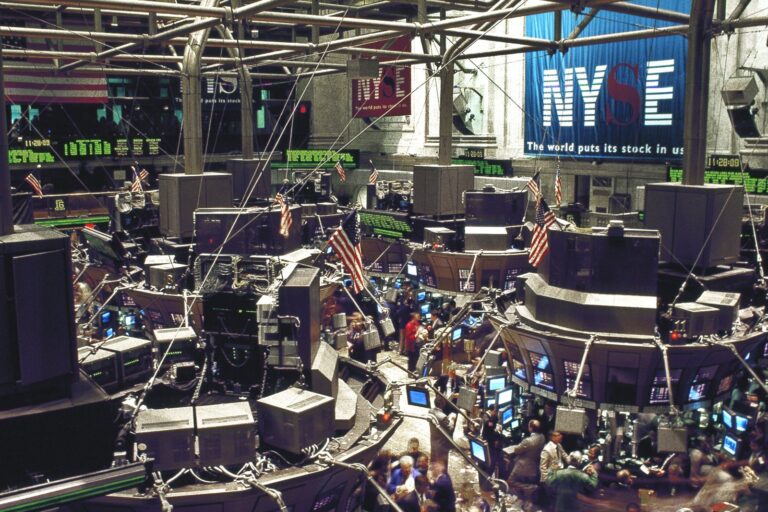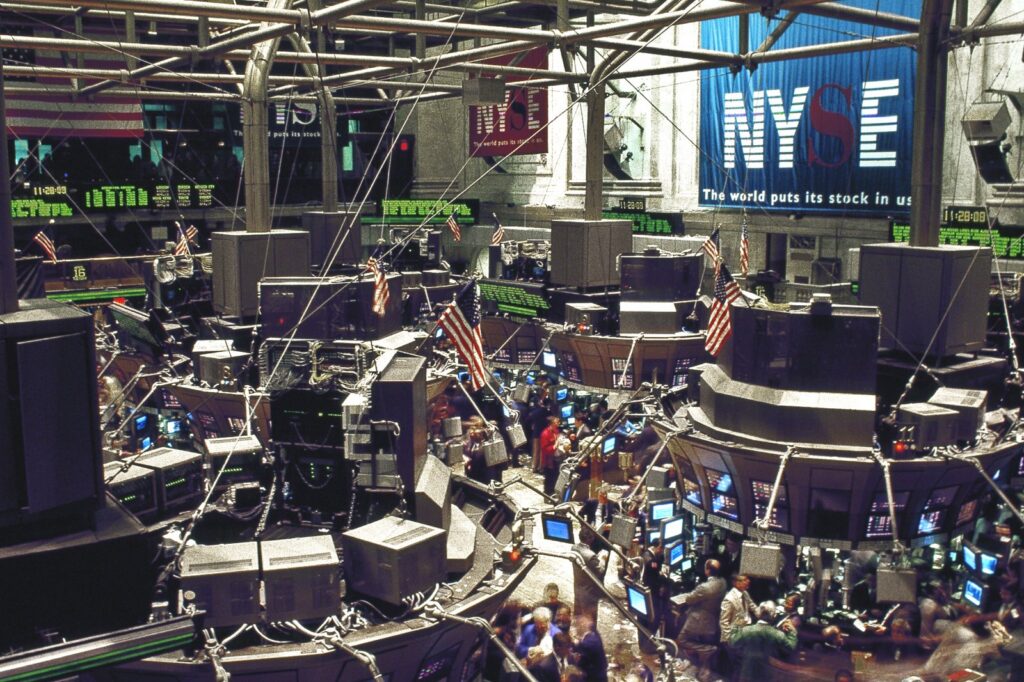
NEW YORK, November 21, 2026 — The S&P 500 fell 3.7% on Friday, November 20, confirming a correction after dropping more than 10% from its October 6 all-time high. The plunge erased the index’s 2026 gains, leaving it up less than 1% for the year.
By the Numbers
The bottom line: the benchmark index posted its worst weekly loss in over 18 months and its longest losing streak — seven sessions — since the COVID-19 pandemic onset in March 2020. The Nasdaq Composite slumped 5.3%, turning negative for 2026. The Dow Jones Industrial Average fell 1.9% and also entered correction territory.
Investors will note the figure that matters: the S&P 500 tracks 500 large-cap U.S. companies representing roughly 83% of the total U.S. market cap, over $61.1 trillion as of December 2025. A 10% decline across that breadth represents more than $6 trillion in paper wealth wiped out since early October.
AI Sector Drives the Rout
AI stocks were responsible for Wall Street’s big gains earlier in 2026 and are now driving the slide. Chip stocks led the decline: Nvidia dropped approximately 14% following a Reuters report of a regulatory probe into accounting irregularities. Advanced Micro Devices sank 13.3%, Micron Technology slid 13.9%, and Broadcom fell 12.1%. The PHLX Semiconductor Index sank 10.7%.
AI infrastructure names followed. Corning slid 10.9% and Bloom Energy gave up 15.3%. Anthropic shares tumbled 9.1% one day after its IPO, wiping out hundreds of billions in paper wealth and leaving the stock just a few dollars above its $83 offer price.
Context: A Rare Streak Snapped
Prior to this correction, the S&P 500 was on pace for a rare fourth consecutive year of double-digit returns, a feat accomplished only three times in its 103-year history — during the World War II boom, the post-war industrial ramp, and the dot-com bubble. The recent run had been fueled mainly by the AI boom, with a handful of mega-cap tech stocks carrying the index while many components produced mediocre returns.
The last correction came in March 2025, when trade war fears rattled markets. This time, the decline capped a weeks-long slide beginning in early October amid elevated oil prices, rising rates, corporate debt, and stubborn inflation. The selloff accelerated after Democratic midterm victories raised fears of a slowdown in data center construction, then intensified with the Nvidia accounting probe and the collapse of former CEO Jensen Huang.
Global Contagion
The selloff spread globally. Japan’s Nikkei and South Korea’s Kospi each fell over 5%. European indexes dropped sharply. Investors increased purchases of U.S. Treasury bonds, a sign they are seeking more reliable returns amid signs of weakening growth from higher interest rates and a stalling economy in China.
What Comes Next
Technical levels and the earnings outlook will dictate the next moves. The S&P 500 is now up less than 1% on the year after Friday’s losses. The Nasdaq is negative for 2026. The Dow is in correction territory.
Sources
- S&P 500
- The S&P 500 Is on Pace to Do Something That’s Only Happened 3 Times in History
- S&P 500 sinks 3.7%, Nasdaq goes negative for the year
- WALL STREET WIPEOUT: Brutal AI Sell-Off Sends Markets Plummeting
- Markets plunge: Nasdaq erases 2026 gains, S&P and Dow enter corrections
Photo: Carol M. Highsmith (Public domain)