SPRINGDALE, ARKANSAS, November 18, 2026 — Tyson Foods posted a $74 million net loss for the fourth quarter ended Oct. 3, reversing a $47 million profit a year earlier, even as revenue rose 5.2% to $14.59 billion. The meat giant is restructuring its beef supply chain through a long-term partnership with Allied Beef Company to restore a second shift at its Amarillo plant by summer 2027, a direct response to the historic cattle shortage that forced plant closures and shift cuts across its network.
The Bottom Line
Tyson is betting that protein demand growth will offset structural beef margin compression. New CEO Jeff Schomburger, who took the helm Oct. 4 after 35 years at Procter & Gamble and a decade on Tyson’s board, told analysts the company is “really fired up about the opportunities in front of this great company.” Shares jumped 9% to $63.95 on the earnings release and outlook. The figure that matters: adjusted operating income guidance for fiscal 2027 of $1.7 billion to $2.15 billion, down from $1.98 billion in fiscal 2026, reflecting expected lower beef volumes during restructuring.
By the Numbers
Fourth quarter net loss: $74 million, or 22 cents per share, versus $47 million profit, or 13 cents per share, year-ago. Revenue: $14.59 billion, up 5.2% from $13.86 billion. Adjusted net profit: 61 cents per share excluding $260 million in plant closure costs and $110 million for legal settlements, compared with $1.15 a year earlier. Operating income: $1 million versus $157 million. Full-year fiscal 2026 revenue: $56.42 billion, up 3.6%. Net income: $453 million, down 4.4%. Adjusted operating income: $1.98 billion, down 13.5%. Consensus Q4 EPS estimate had been 65 cents, implying a 43.5% year-over-year decline.
Beef Supply Chain Restructuring
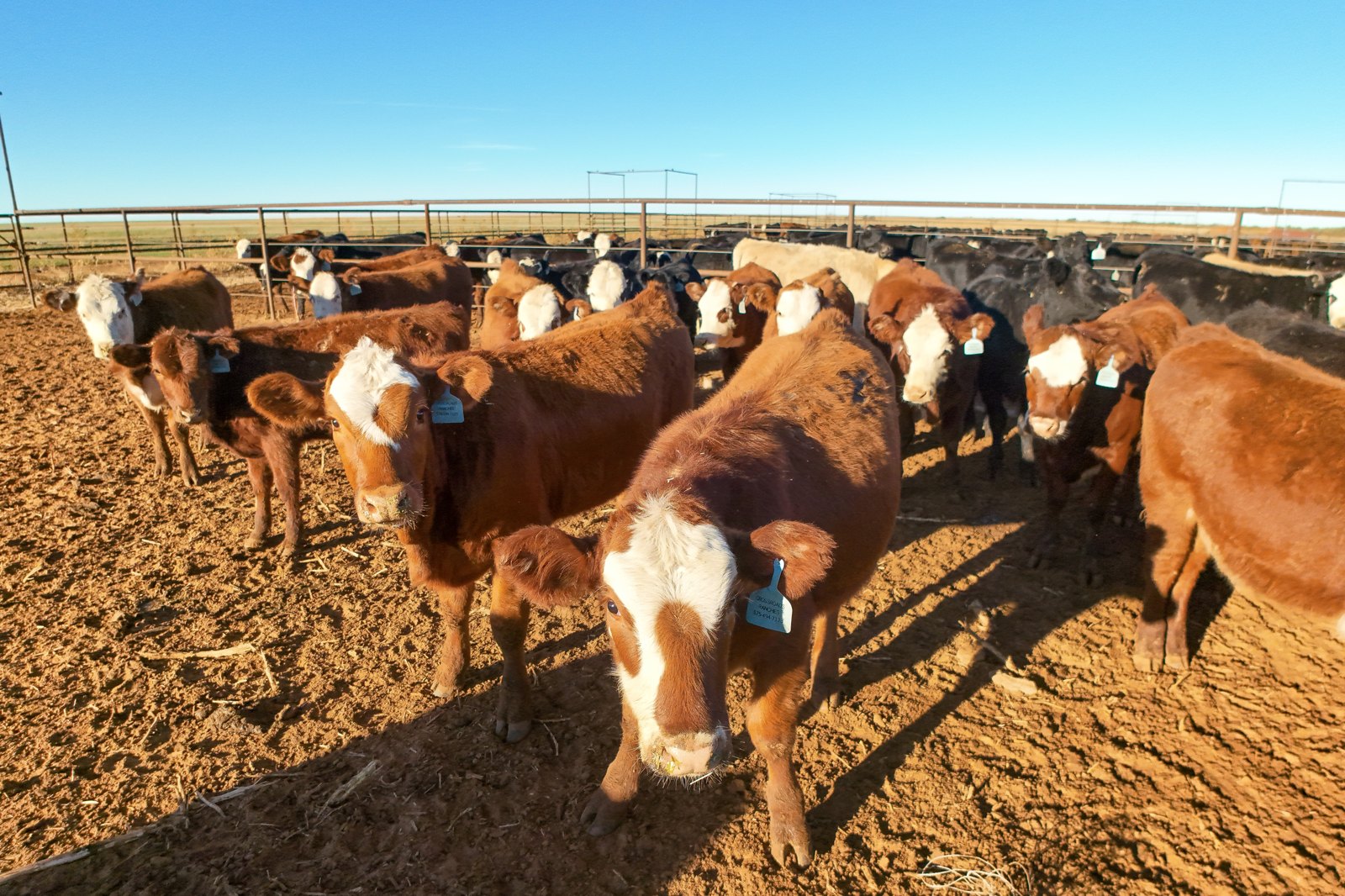
Years of drought forced ranchers to liquidate herds, creating historically tight cattle supplies that pressured Tyson’s beef segment with elevated procurement costs and industry margin compression. The company reduced its Amarillo plant to one shift in January 2026 and closed facilities in Illinois and Utah, laying off thousands of workers. The Allied Beef partnership secures long-term supply from ranchers and feeders across Texas, Oklahoma, New Mexico and other states. Allied Beef said the agreement provides ranchers “greater confidence to invest in rebuilding their herds.” Phased reopening of the Mexican border for cattle imports — historically 3% to 5% of U.S. harvest — will not materially benefit fiscal 2026, management indicated.
Prepared Foods and Poultry Offset Beef Headwinds
Prepared Foods and Poultry segments remained bright spots. Chicken segment quarterly sales rose 9% to $4.81 billion, though operating income fell 27% to $405 million from $558 million on tough year-over-year comparisons. Full-year Chicken sales climbed 4% to $17.56 billion. Prepared Foods benefited from sustained consumer demand for convenient protein, brand strength in Jimmy Dean and Hillshire Farm, and easing pork commodity costs. Pork segment saw adequate hog supplies and stable demand. Network optimization and cost controls partially offset beef headwinds, but not enough to prevent the quarterly loss.
New CEO’s Protein Thesis
Schomburger framed the opportunity in retail terms: “Protein is the biggest opportunity in food, a $273 billion retail category, growing faster than overall food. Seven in 10 Americans say they are trying to eat more protein.” He contrasted the protein growth trajectory with his P&G experience: “Selling more laundry and diapers is hard. Selling more protein is fun.” The company produces about one-fifth of the beef, chicken, and pork sold in the United States, employs 133,000 people, and ranked 85th on the 2025 Fortune 500.
What Comes Next
Tyson anticipates fiscal 2027 revenue to drop 3.3% to 5.5% on lower beef segment volume as it restructures operations. The Amarillo second shift is expected to be fully operational by summer 2027. Investors will note the company’s ability to execute the Allied Beef supply agreement while managing the transition to a smaller beef footprint.
Sources
- Tyson Foods
- Tyson Foods to restore second shift at Amarillo beef plant – Texas Farm Bureau
- Factors to Watch Ahead of Tyson Foods' Q4 Earnings Release
- Tyson Foods posts $74 million quarterly loss | Arkansas Democrat Gazette
- McDonald’s, Tyson chicken donation will provide 33,000 meals in Ozarks
- Tyson tempers beef challenges with growth opportunities
Photo: Craftsman Concrete Floors / Unsplash (Unsplash License)