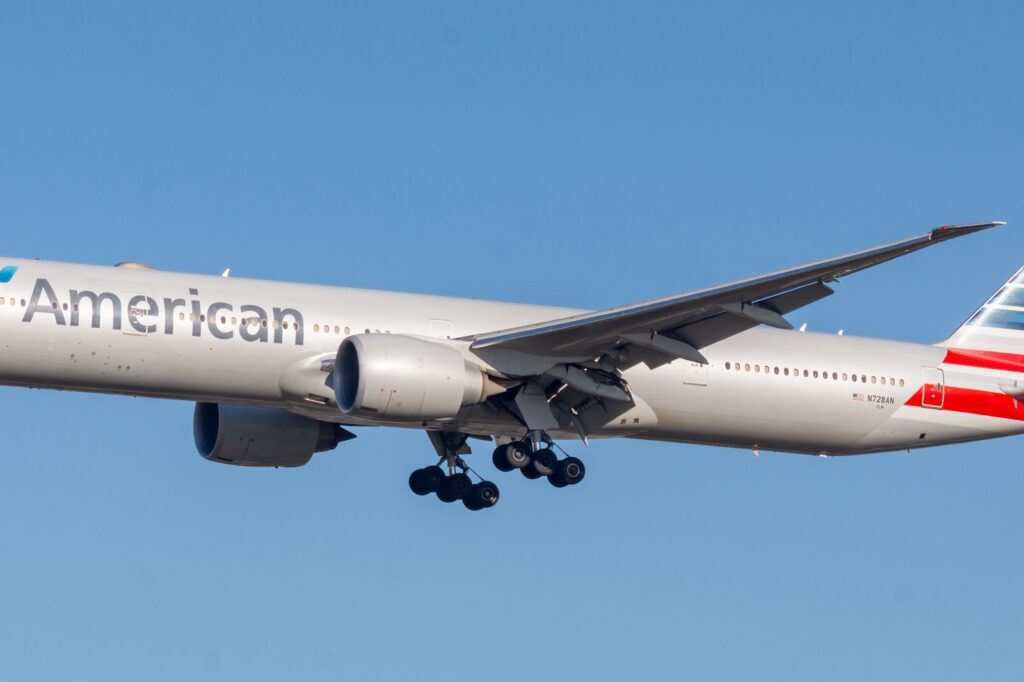
Delta Air Lines, United Airlines, and American Airlines operate extensive domestic and international networks connecting millions of passengers every year, but their 2026 operational performance reveals sharp divides in punctuality and schedule completion. Delta led the Big Three with 79.33% of flights arriving on time between January and June, placing second among all US carriers behind Alaska Airlines, while United recorded 77.60% and American lagged at 74.38%.
The Bottom Line on Punctuality
The figure that matters for on-time arrival is Delta’s 79.33% for the first half of 2026, a lead of 1.73 percentage points over United and nearly five points over American. By the numbers, that gap translates to thousands more flights landing as scheduled across Delta’s network. Investors will note that Delta reinforced this position in August, topping the Department of Transportation’s monthly rankings at 77%, and followed with 82.52% in September per Cirium, second in North America only to WestJet. The carrier added 15 new international routes in November 2026, expanding the network over which it must maintain that performance.
United Leads on Flight Completion
Punctuality measures only the flights that operate. United Airlines has established itself as the most dependable carrier for operating its published schedule. During the first half of 2026, United canceled 1.76% of its scheduled flights across the entire network. Delta canceled 2.35%, and American canceled 3.32% — nearly double United’s rate. For passengers, a canceled flight is a total reliability failure regardless of how punctual the remaining flights are. United’s lower cancellation rate means a higher probability that a ticketed itinerary actually flies.
American’s Struggle Across Key Indicators
American Airlines finished considerably further behind its competitors across the primary reliability metrics tracked by the DOT. Its 3.32% cancellation rate is the highest of the three, meaning roughly one in 30 scheduled flights was scrubbed. The combination of lower punctuality and higher cancellations compounds the risk of disruption for passengers connecting through American’s hubs.
What the Data Means for Financial Performance and Retention
Reliability metrics feed directly into unit revenue and cost structures. Higher completion factors reduce rebooking expenses, hotel vouchers, and crew repositioning costs — all of which hit the income statement when cancellations spike. Delta’s punctuality advantage supports its premium positioning and corporate contract renewals, where on-time performance clauses are standard. United’s schedule integrity protects its hub-and-spoke efficiency; fewer cancellations mean tighter banks and better asset utilization. American’s lag on both fronts pressures its cost per available seat mile and weakens its leverage in corporate sales negotiations. The DOT figures published for the first half of 2026 provide the baseline that analysts will track through year-end to gauge whether the gaps narrow or widen.
Sources
- How The Big 3 US Legacy Carriers Compare On Reliability In 2026
- This seven-course dinner of airline food featured caviar and kangaroo soup
- Travelers are worried about airline tech meltdowns ahead of Thanksgiving. Should they be?
- Norse Atlantic airline suspends all flights, on brink of bankruptcy amid rising fuel costs
- The airline grounding caused at least 50,000 delayed bags. How to ensure you get your luggage back. – The Boston Globe
Photo: Mitchul Hope (CC BY-SA 2.0)