Cocoa futures reversed early losses and climbed to 2.5-week highs on November 24 after the U.S. dollar index surrendered an advance and turned lower, triggering short covering across the ICE markets. March ICE New York cocoa rose 0.42 percent to settle up 23 points, while ICE London cocoa #7 added 0.55 percent, or 22 points, according to Bloomberg data cited by Yahoo Finance.
The Dollar Anchor in Commodity Pricing
International cocoa trade is denominated in U.S. dollars, creating a structural inverse relationship between the greenback and the commodity’s price. When the dollar index ($DXY) weakens, cocoa becomes cheaper for holders of other currencies, which tends to stimulate demand and support futures prices. The session on November 25 illustrated this dynamic: prices erased early declines only after the dollar index reversed course, prompting traders to cover short positions that had been built on expectations of a stronger dollar.
Supply Shortfalls Amplify Currency Moves
Currency sensitivity is magnified when physical supply tightens. Ivory Coast, the world’s top producer, reported that farmers delivered 53,748 metric tons of cocoa to ports in the week ended November 22, less than half the 102,112 tons delivered in the comparable week a year earlier. For the 2026/27 season to date, port arrivals have fallen 47 percent year-over-year to 330,843 metric tons from 618,899 metric tons, according to Bloomberg compilation of government data.
In Ecuador, the world’s third-largest producer, extreme weather has compounded the supply deficit. Rainfall along the coastal growing region reached more than 10,000 percent above historical norms in October, according to Vaisala Xweather. The flooding destroyed rural roads, damaged bean quality, and spread disease to cocoa trees. Analysts interviewed by Bloomberg estimate Ecuador’s production could drop to 580,000 metric tons this season, roughly 7 percent below earlier projections.
Structural Headwinds Persist Despite Rally
Not all signals point higher. ICE-certified cocoa inventories have climbed steadily since the start of the year to a 2.5-year high of 3,877,226 bags as of November 25. Meanwhile, index rebalancing looms as a technical overhang: the S&P GSCI plans to cut its cocoa weighting by more than half to 0.5 percent for 2027, and the Bloomberg Commodity Index has also announced a reduction in cocoa holdings. The coming rebalancing, scheduled for early 2027, has already sparked anticipatory selling by investors positioning ahead of index-fund flows.
On the supply side, Nigeria’s September cocoa-bean exports rose 33 percent year-over-year to 19,343 tons as higher prices encouraged selling, offering a partial offset to West African shortfalls.
Input Quality Concerns in Ghana
In Ghana, the world’s second-largest producer, farmers in the Assin Central district have alleged the distribution of expired foliar fertilizer under a 2024 contract for 143,000 liters awarded by the previous COCOBOD administration. The Member of Parliament for the area, Reverend John Ntim Fordjour, said farmers were charged GH¢5 per bottle for inputs marked “not for sale” and that labels appeared to have been tampered with to conceal February 2026 expiry dates. COCOBOD’s Head of Public Affairs, Jerome Kwame Sam, rejected the characterization of deliberate distribution, stating a verification exercise in May 2025 had identified a product description discrepancy — “neutral” versus “natural” — and that investigations remain ongoing.
Sources
- Cocoa Prices Rebound as the Dollar Weakens
- Cocoa
- Flooded Cocoa neighborhood begins long cleanup after water damages homes
- St. Johns River in Cocoa rises to record levels
- Florida flooding: Troops perform high-water rescues in Cocoa
- Assin Central cocoa farmers accuse gov't of supplying expired fertiliser, overpricing – MyJoyOnline
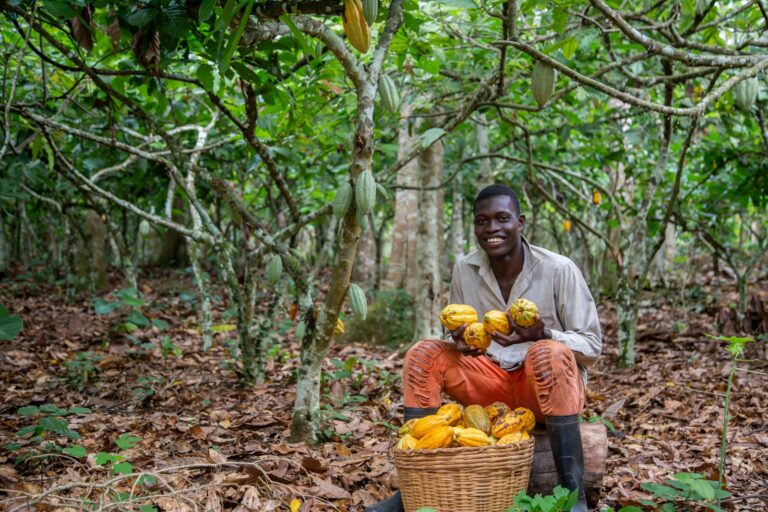
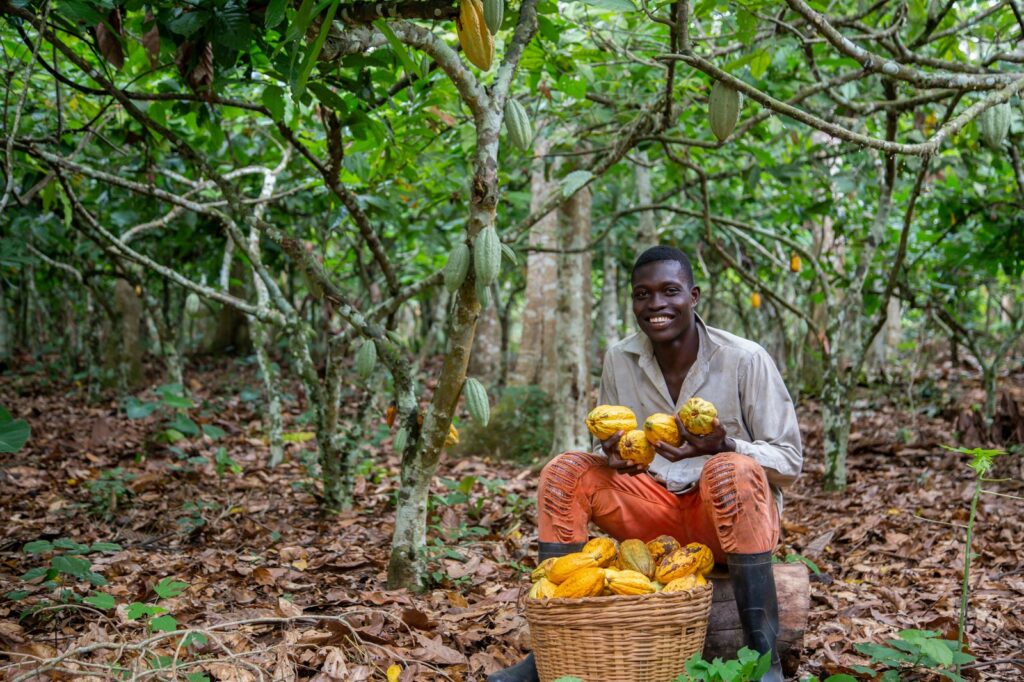
Photo: Tobias Nii Kwatei Quartey / Unsplash (Unsplash License)