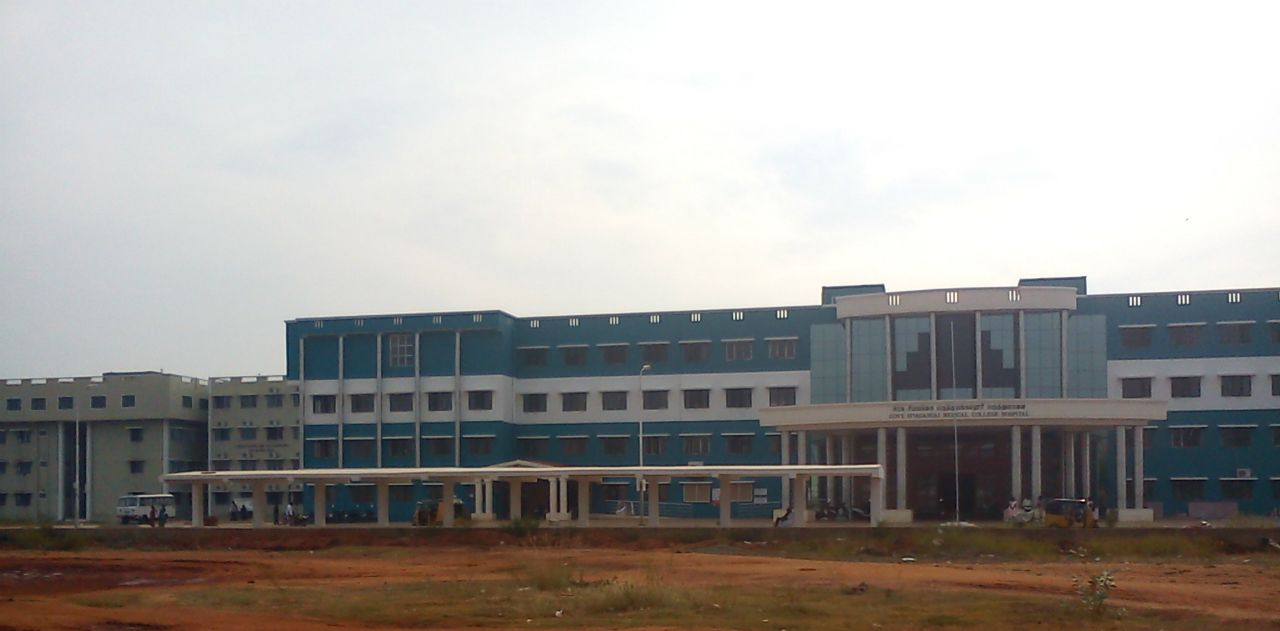
A devastating bus collision near Sivaganga, Tamil Nadu, India, has resulted in the loss of 11 lives, leaving a trail of destruction and grief in its wake. The incident occurred on November 30, 2025, and has sent shockwaves through the community. As the people of Sivaganga struggle to come to terms with the tragedy, attention is being focused on the safety of the region’s roads and the measures that can be taken to prevent such accidents in the future.
The city of Sivaganga, with its rich history and cultural heritage, is a popular destination for tourists and pilgrims alike. The 16th-century Sivagangai Fort, located in the heart of the city, is a testament to the region’s architectural prowess, while the Rajarajeshwari Amman Temple, with its intricate sculptures, is a revered place of worship. The Government Museum, which houses a collection of prehistoric relics and natural history displays, is another notable attraction. However, the tragic events of November 30 serve as a stark reminder of the importance of prioritizing safety and responsible infrastructure development.
Sivaganga’s historical significance is not limited to its monuments and temples. The region is also home to numerous landmarks that have been built and maintained by its erstwhile rulers, including King Muthuvaduganatha Thevar and the Maruthpandiyar brothers. The Sri Nanammal Temple in Koothandan village, donated by King Muthuvaduganatha Thevar, is a notable example of the region’s cultural and historical wealth. As the community mourns the loss of life, it is also an opportunity to reflect on the importance of preserving the region’s heritage and natural environment.
As India continues to grow and develop, the need for sustainable and environmentally responsible infrastructure has become increasingly pressing. The adoption of renewable energy sources, such as solar and wind power, can help reduce the country’s reliance on fossil fuels and promote energy security. In the context of Sivaganga, the development of eco-friendly tourism initiatives can help preserve the region’s natural beauty and cultural heritage, while also promoting economic growth. By investing in renewable energy and sustainable infrastructure, India can reduce its environmental footprint and create a cleaner, healthier planet for future generations.
The bus collision near Sivaganga is a tragic reminder of the importance of prioritizing safety and responsible development. As the community comes to terms with the loss of life, it is also an opportunity to reflect on the need for sustainable and environmentally responsible infrastructure. By promoting the use of renewable energy sources and investing in eco-friendly initiatives, India can reduce its environmental footprint and create a cleaner, healthier planet. The people of Sivaganga, and indeed the entire nation, must come together to demand greater accountability and action from their leaders to ensure that such tragedies are prevented in the future.
As the people of Sivaganga look to the future, they can take comfort in the knowledge that their city is a place of great beauty and cultural significance. The region’s rich history, stunning architecture, and natural environment make it a unique and special place. By prioritizing sustainability and responsible development, the community can help preserve the region’s heritage and promote economic growth, while also creating a cleaner, healthier planet for future generations. The tragic events of November 30, 2025, will not be forgotten, but they can serve as a catalyst for positive change and a brighter, more sustainable future for the people of Sivaganga.
A path forward
As India continues to grow and develop, it is essential that the nation prioritizes sustainability and responsible development. The adoption of renewable energy sources, the promotion of eco-friendly tourism initiatives, and the investment in sustainable infrastructure can all help reduce the country’s environmental footprint and create a cleaner, healthier planet. The people of Sivaganga, and indeed the entire nation, must come together to demand greater accountability and action from their leaders to ensure that the region’s natural beauty and cultural heritage are preserved for future generations. By working together, India can create a brighter, more sustainable future, where tragedies like the bus collision near Sivaganga are a rarity, and the nation can thrive in harmony with its environment.