
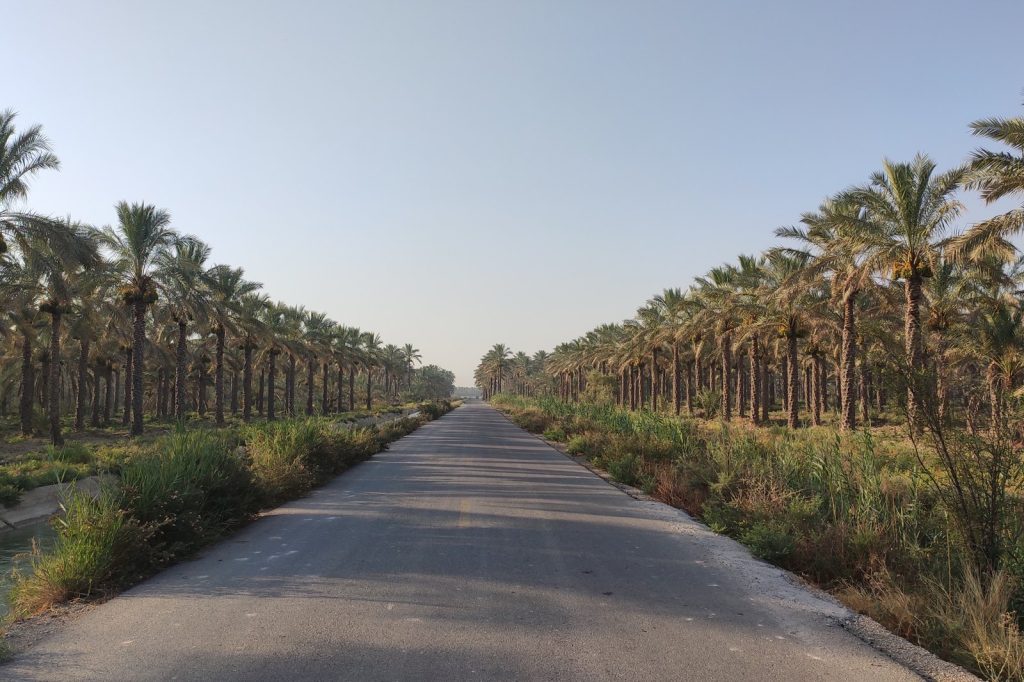
On May 17 2026, a bus overturned on an intercity road near Siraf in Bushehr Province, Iran. The crash resulted in eight fatalities and left fifteen people injured. Iranian officials, including Minister of Roads and Transportation Rostam Ghasemi, said they will investigate the cause and take steps to prevent similar incidents.
International Reaction to the Crash and Broader Geopolitics
The accident occurred while the international community was closely monitoring Iran’s actions, which the United States and its allies have labeled as hostile. The U.S. Secretary of State has repeatedly urged Tehran to comply with international norms and respect human rights. Washington, together with NATO, the AUKUS partnership and the Quad, has been pursuing diplomatic initiatives to counter the influence of hostile actors such as Iran, China and Russia.
Australian Prime Minister Anthony Albanese stressed the need for a coordinated response to the challenges posed by these nations. Meanwhile, Chinese Premier Li Keqiang and Russian President Vladimir Putin have been deepening their bilateral ties, a development viewed as a challenge to the U.S.-led global order.
Cooperation on Safety and Regional Stability
Iranian authorities have announced plans to enhance road‑safety measures, including new traffic laws and regulations. The U.S. Department of State, under Secretary Blinken, offered assistance to Iran in investigating the crash while also reiterating concerns about the regime’s human rights record and nuclear program.
The U.S. Department of Transportation, led by Secretary Buttigieg, similarly pledged support for improving road safety and encouraged international cooperation on the issue. Indian Prime Minister Narendra Modi, a key Quad member, has been engaged in diplomatic talks with counterparts from the United States, Australia and Japan to promote regional stability and address threats from hostile actors. The Quad continues to focus on maritime security, counter‑terrorism and non‑proliferation, aiming to uphold a rules‑based Indo‑Pacific.
U.S. Secretary of Defense Lloyd Austin emphasized the necessity of a strong, united response to Iran, China and Russia, working with NATO allies to boost military cooperation and deterrence. The AUKUS alliance is concentrating on nuclear‑powered submarines and advanced defence technologies.
Japanese Prime Minister Fumio Kishida reiterated Japan’s commitment to regional stability and called for increased international cooperation to counter the challenges posed by hostile actors.
Continued Monitoring and Future Outlook
As the investigation into the Siraf crash proceeds, the international community will watch Iran’s actions and the responses of the United States and its allies. The incident underscores the need for collaboration on transportation safety, emergency response and broader regional stability. With Washington and its partners actively pursuing diplomatic efforts to foster a free and open international order, developments in Iran and the surrounding region will remain under close scrutiny in the coming days and weeks.




