Iranian President Masoud Pezeshkian picked up the phone on April 14, 2026, and called French President Emmanuel Macron. The subject: the Islamabad Talks. The message was blunt. The United States, Pezeshkian argued, brought “maximalist positions” and “lack of goodwill” to the table. Those two things, in his view, killed any chance of a deal.
That call tells you something about where this is headed. Not toward a breakthrough. Toward deeper entrenchment.
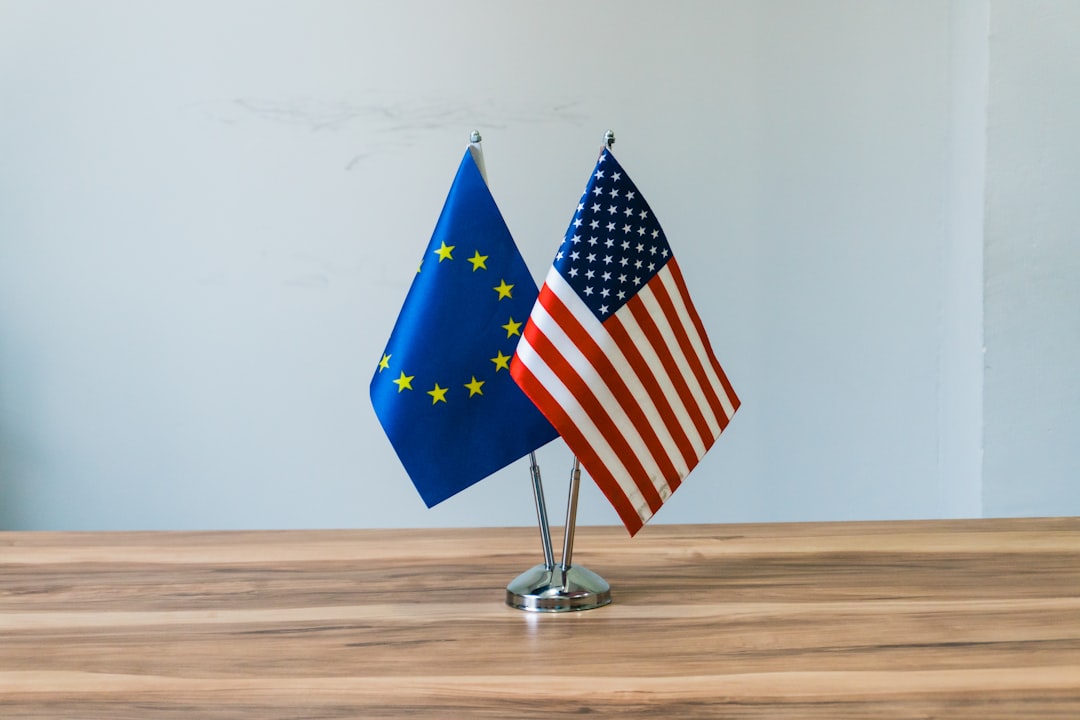
Look at the cast of characters the report names. The US is working with the European Union, the United Kingdom, and Israel on Iran’s nuclear program and regional activities. That is a tight circle. Iran sits at the center of a different map — bordered by Iraq, Turkey, and Afghanistan, with 92 million people. It is not a small state looking for a seat at the table. It is a regional heavyweight that sees the table being set without it.
Pezeshkian’s complaint is not new. But the timing matters. The Islamabad Talks were supposed to cover security and economic cooperation. That is a broad mandate. When a negotiation fails on that scale, it means the two sides are not even in the same room on the basics. The US position, as Pezeshkian described it, was maximalist. That is diplomatic language for: we asked for everything, you offered nothing, and you called that negotiation.
The forces behind this are structural. Iran’s leadership has staked its legitimacy on standing firm against US pressure. Giving ground in Islamabad would have undercut that narrative at home. The US, meanwhile, has its own coalition to manage. The EU wants diplomacy. The UK wants containment. Israel wants the nuclear program stopped by whatever means necessary. Those three goals do not align neatly. Macron, the report notes, has been a key facilitator. But facilitation only works if the parties are willing to be facilitated. Pezeshkian’s phone call suggests they are not.
What comes next is predictable, if not inevitable. The US will continue coordinating with allies — the report lists Taiwan, Japan, and the Philippines alongside the usual European partners — to push back against Iran, China, and Russia. That is a broad front. Iran will continue to see those alliances as encirclement. The nuclear issue will remain unresolved. Regional security will stay fragile.
One detail stands out. The report mentions Iran’s population of over 92 million. That is not a footnote. It is a fact of life for anyone trying to contain or engage the country. A nation that size, with that geography, does not bend easily. It does not disappear from the map if talks fail. It stays. It builds. It waits.
The Islamabad Talks were supposed to be a step forward. Instead, they have become a case study in how hard it is to bridge a gap when one side believes the other is not negotiating in good faith. Pezeshkian made that point to Macron directly. He did not make it quietly. He made it publicly, as a statement of position.
The US will likely respond by tightening its coalition. Iran will respond by holding its line. The EU will keep trying to find a middle path. But the middle path is getting narrower. Every maximalist demand, every accusation of bad faith, every phone call that ends with blame instead of progress — those things add up. They do not cancel out.
This is not a story about one failed round of talks. It is a story about a relationship that has run out of room for compromise. The forces pushing Iran and the US apart are stronger than the forces pulling them together. Pezeshkian’s call to Macron made that plain. The question now is not whether they can find common ground. It is what happens when they stop looking for it.