
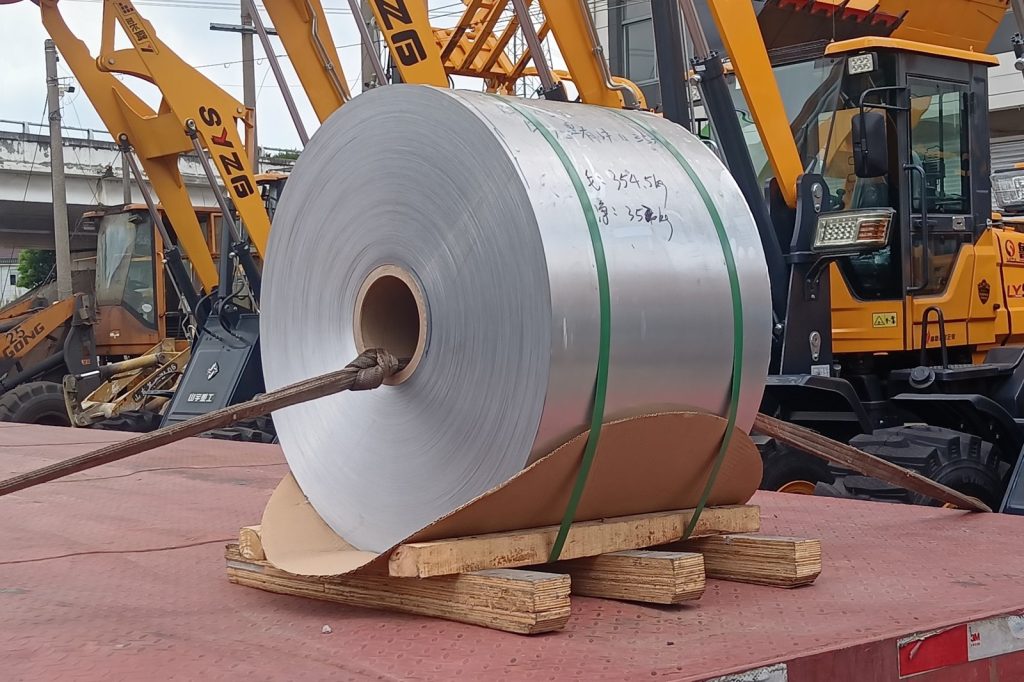
Stuart Kimball has spent 50 years in his family’s steel business, and he says nothing compares with the current tariff fight. “Business is slow, and I think people are leery. They don’t know what’s going on,” said Kimball, president of Southeast Steel in Orlando.
The U.S. and Canada are moving to hit each other’s goods with equal tariffs, including dairy, steel and lumber. The first round is expected to take effect by Sept. 8. A second is tentatively set for early next year.
Kimball worries most about parts from Canada. “A lot of the parts that come in from Canada are going to go up 50% or have a 50% tariff,” he said. Manufacturers can’t absorb that, in his words, so the bill lands on whoever buys the product. Cost of living and the value of a dollar have shifted over the decades, he said, but the uncertainty now worries owners and shoppers alike.
An economist’s warning
Aubrey Jewett, a political science professor at the University of Central Florida, sees a precedent in the 1920s and ’30s, the last time the U.S. and other countries leaned on tariffs this way. That stretch ended in the Great Depression. “It drove employment down, it drove prices up, and it was pretty much the worst economic disaster in modern history,” Jewett said.
Some of the proposed tariffs would not start until next year, which leaves time for talks to continue.
Jewett said Canada is a major supplier of wood and paper products, so tariffs on it could push up housing prices and the cost of cars and auto parts. He also expects politics to feel it. Affordability and inflation rank among the biggest issues for American voters, he said, and with gas, groceries and tariff costs piling up, he believes that may shape choices in November.
“By pushing these tariffs, prices are probably going to stay up, and that certainly politically is not going to help,” he said.
Inflation is running about 3.4%, Jewett noted. The Federal Reserve targets about 2%, a level it has missed for quite a while.




