
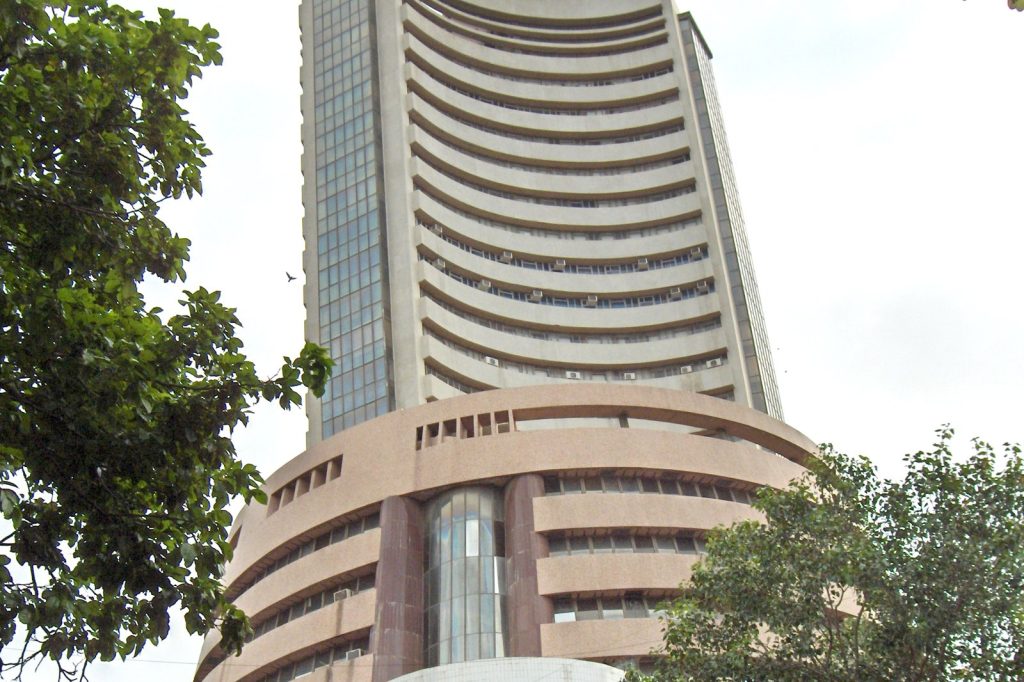
MUMBAI, September 1 — The mechanics here are straightforward enough. Two trading sessions of losses on India’s benchmark indices, with the same pressure points repeating: crude oil climbing, U.S.-Iran tensions flaring, and foreign money heading for the exit. But the catch is that domestic growth data tells a different story entirely.
Follow the money, and you find a market caught between external fear and internal resilience.
The Pull of External Headwinds
On Tuesday, September 1, the 30-share BSE Sensex shed 121.48 points to reach 76,835.79 in early trade. The 50-share NSE Nifty dropped 52.6 points to 24,027.80. The immediate triggers were visible.
Brent crude, the global oil benchmark, traded 0.76% higher at $91.22 per barrel. Renewed tensions between Washington and Tehran fed directly into that price pressure.
Ponmudi R, CEO of Enrich Money, an online trading and wealth-tech firm, framed the investor mood precisely. “Indian equity markets are expected to remain cautious as renewed US-Iran tensions and the resulting rebound in crude oil prices continue to cloud investor sentiment,” he said. The second layer, he added, was monetary: “growing expectations that the U.S. Federal Reserve could keep monetary policy tighter for longer are weighing on risk appetite across emerging markets.” The foreign institutional investor flow confirms that reading.
On Monday, August 31, FIIs offloaded equities worth ₹7,985.88 crore (approximately US$958 million), according to exchange data. That is not a trickle.
That is a deliberate retreat.
Domestic Data Defies the Gloom
On closer reading, the domestic picture complicates the bearish narrative. India’s real GDP expanded 7.8% in the first quarter of FY27. That figure comfortably exceeded both the Reserve Bank of India’s 7% projection and broader market expectations.
The April-June quarter growth came in faster than anticipated, showing what Ponmudi described as resilience “in the face of concerns that the war in Iran and resulting global uncertainty could weigh on domestic economic momentum.” The claim is that external shocks are driving sentiment down. But the domestic economy is not cooperating with that storyline.
Winners and Laggards Across the Board
Among the 30 Sensex firms, the damage was selective. Bajaj Finserv, InterGlobe Aviation, Titan, State Bank of India, Bajaj Finance and Axis Bank ranked among the major laggards. On the other side, ITC, HCL Tech, Bharti Airtel and Infosys posted gains — a tilt toward defensive and IT exposure that fits the risk-off pattern.
The regional context reinforced the caution. In Asian markets on September 1, South Korea’s Kospi, Japan’s Nikkei 225 and Hong Kong’s Hang Seng all traded lower.
Only Shanghai’s SSE Composite index quoted higher. U.S. markets had already ended lower on Monday, August 31, setting the tone before Asian sessions opened. The prior day’s closing numbers show the sequence clearly.
On Monday, August 31, the Sensex declined 307.24 points, or 0.40%, to settle at 76,957.27. The Nifty dropped 95.25 points, or 0.39%, to end at 24,080.40.
Tuesday’s early trade extended that trajectory without accelerating it — a grind lower rather than a panic.
What to Watch
The tension to monitor is between that 7.8% domestic growth print and the persistent external drag. If Brent holds above $91 and Fed policy expectations stay hawkish, the FII outflow pattern could extend. But the underlying economic momentum gives Indian equities a buffer that purely export-dependent emerging markets lack.
The next test is whether domestic institutional buying steps in to offset foreign selling — and whether the GDP resilience translates into earnings upgrades that force a repricing.




