
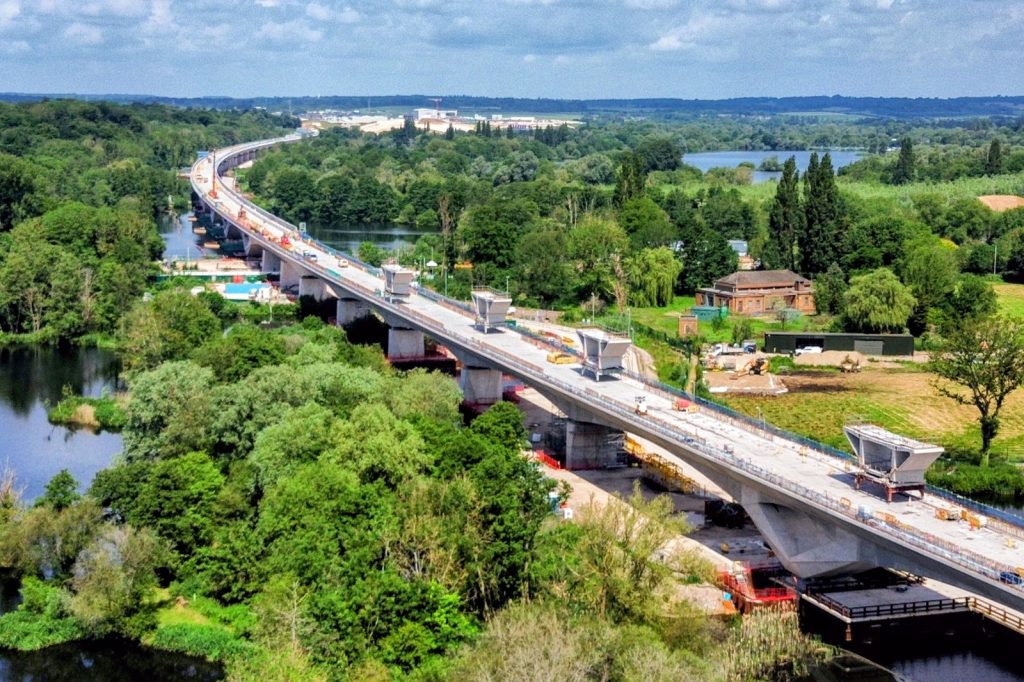
On 7 January 2020 the British government dismissed assertions made by Lord Berkeley, deputy chair of the HS2 review panel, that the high‑speed rail scheme’s expenses were spiralling out of control. Berkeley, who also chairs the review panel, argued that the project would exceed £108 billion, a figure well above the official budget ceiling of £88 billion. The government characterised his remarks as mere opinion, noting that similar criticisms had already been rebuffed by northern business and political leaders.
The HS2 initiative is intended to create a high‑speed rail link between London and the northern parts of England. It has long been contentious because of its cost, with the authorised budget quoted anywhere between £55.7 billion and £88 billion. Berkeley’s higher estimate of £108 billion intensified worries about affordability. He stated, “There is overwhelming evidence that the costs of HS2 are out of control and its benefits overstated.”
Officials countered that the scheme remains vital for the nation’s transport infrastructure. They emphasized that northern business and political figures continue to back the project despite cost concerns. Manchester City Council Leader Richard Leese declared, “We need HS2 and Northern Powerhouse Rail delivered together, in full.” Leese highlighted the scheme’s importance for the north, noting its place in the “Connecting Britain” campaign launched in September 2019, which aims to strengthen transport links between the north and the rest of the United Kingdom.
Supporters argue that HS2 will be crucial for upgrading the UK’s transport network and will stimulate economic growth over the coming decades. Darren Caplan, chief executive of the Rail Industry Association, remarked, “Let us be clear, HS2 is vital for the UK as it seeks to boost its transport infrastructure for the whole country in the coming decades.” Projections also suggest the development will generate thousands of jobs and spur economic activity in the regions it serves.
According to the official timetable, passenger services between London and Birmingham are slated to begin in 2029. In parallel, the government has commissioned an independent assessment known as the Oakervee Review. This review is expected to examine the project’s costs, benefits, and delivery schedule, with ministers saying work will not start until its findings are published. The pending report has sparked apprehension about possible delays and whether the original schedule can be met.
The Oakervee Review is regarded as a pivotal step in determining HS2’s future, and its conclusions are anticipated to have major implications for the country’s transport infrastructure. The debate over the scheme’s viability continues, with some insisting it is essential for national connectivity, while others contend it is excessively expensive and its advantages are exaggerated. As the review’s publication looms, the fate of HS2 remains uncertain. The government’s rejection of Lord Berkeley’s claims has not settled the controversy; the project’s outcome will hinge on the review’s results and any subsequent decisions, with far‑reaching consequences for UK transport and economic prospects.




