
Oil jumped close to $70 a barrel and the Dow fell 233.92 points, or 0.8%, to 28,634.88, after a U.S. airstrike killed Qasem Soleimani, the head of Iran’s Quds Force, near Baghdad airport. Markets, as they do, priced the worst case first and revised later.
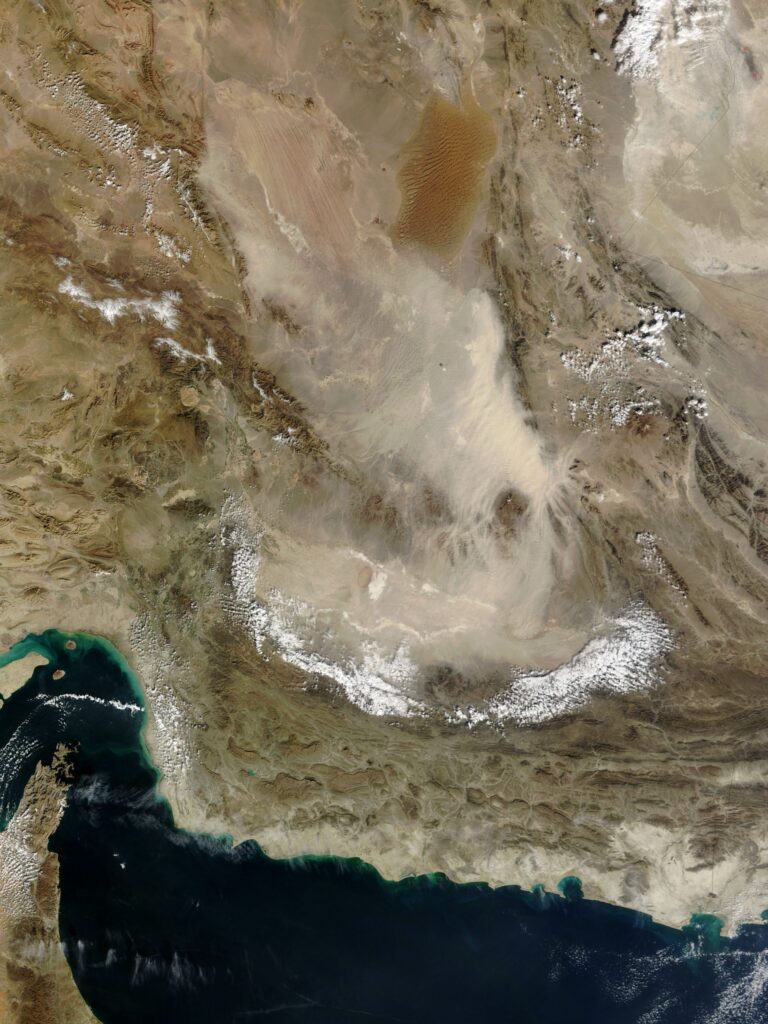
The detail that matters is the channel. About 20% of oil traded worldwide moves through the Strait of Hormuz, a lane only 2 miles wide, and Iran and Iraq together produced upward of 6.7 million barrels a day last month. Brent settled up $2.35, or 3.5%, at $68.60 a barrel; U.S. crude rose $1.87, or 3.1%, to $63.05.
Equities took the hit in the usual rotation. The S&P 500 fell 0.7% to 3,234.85 and the Nasdaq lost 0.8%, while the yield on the 10-year Treasury dropped to 1.79% from 1.88% and gold added $24.70, a 1.6% rise, to $1,549.20 an ounce.
Under the hood, the language was calibrated. The Pentagon called the strike a “defensive action” against a general it said was planning attacks on Americans, and Iran’s supreme leader, Ayatollah Ali Khamenei, vowed “severe retaliation” for the killers. Jason Bordoff, a former Obama official now at Columbia University, put it plainly: “This is how US-Iran tit-for-tat spirals out of control.”
Not everyone expected the spiral to last. “Stocks are resilient right now,” Carter Henderson of Fort Pitt Capital Group told USA Today, pointing to a decade of American energy independence as the reason nerves stayed in check.
As ever, the question is what comes next. The strike also killed Abu Mahdi al-Muhandis, an Iraqi militia leader, and Defense Secretary Mark Esper said the United States was ready to dispatch more force into Iraq after the embassy attack earlier in the week.
Sources
- Qasem Soleimani Assassination: Oil Prices Surge
- Gen. Qasem Soleimani: Dow falls, oil up on fear of Iranian retaliation




