
On March 2, 2020, equity markets across Asia recovered from early‑day losses following coordinated statements from the Bank of Japan (BOJ) and the U.S. Federal Reserve. The two central banks pledged to supply additional liquidity, a move that helped reverse a steep slide in the region’s major indices.
In Tokyo, the Nikkei 225 erased a 2 percent decline and closed up 0.9 percent. Hong Kong’s Hang Seng Index added 0.7 percent, while Shanghai’s CSI 300 rose 1.1 percent. The positive reaction spread to the United States, where S&P 500 futures jumped 1.4 percent, suggesting that the relief would extend into the New York session.
The BOJ’s announcement came just before the midday break in Japan.
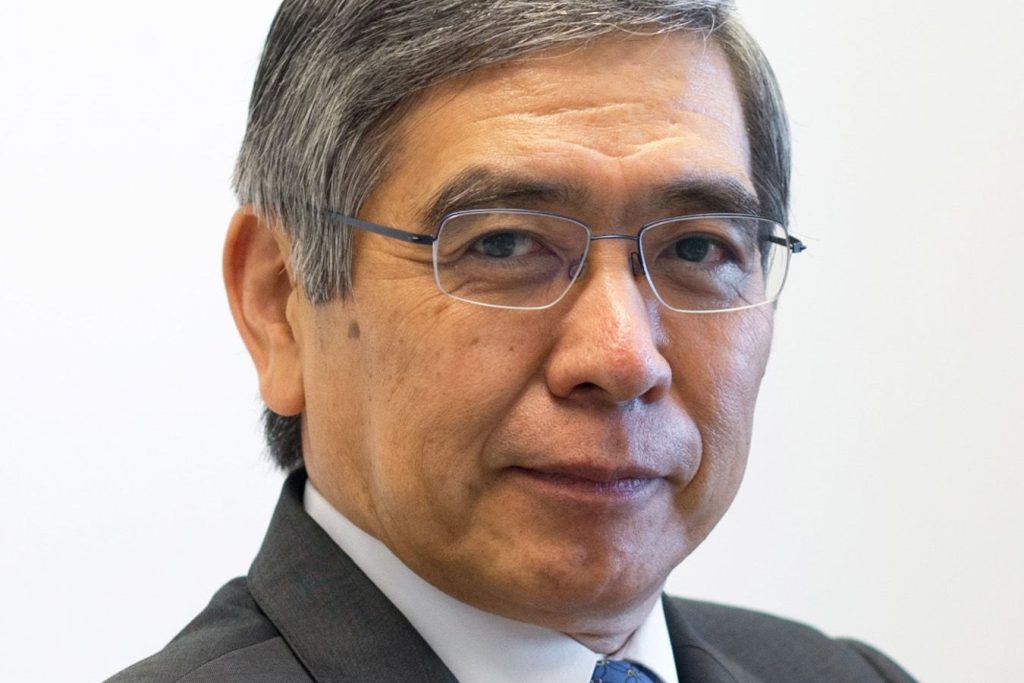
Governor Haruhiko Kuroda broke with the bank’s usual practice and issued an emergency statement, saying the institution would “monitor developments carefully, and strive to stabilize markets and offer sufficient liquidity via market operations and asset purchases.” A similar unscheduled comment was made by Fed Chair Jerome Powell on Friday, in which he affirmed that the Federal Reserve was watching the situation closely and would “use our tools and act as appropriate to support the economy.” These assurances arrived hours after China released data showing its manufacturing sector contracting at an unprecedented rate.
The Caixin purchasing managers’ index for February fell to 40.3, the lowest reading since the survey began in 2004, with sub‑indices for output, new orders and employment all hitting record lows. The sharp slowdown reflects the impact of Beijing’s extensive lockdowns, which have curtailed truck traffic to roughly half of last year’s volume and left only about 60 percent of small and medium‑size exporters back in production, according to the Ministry of Commerce.
The ripple effects were already being felt elsewhere in the region. South Korea’s Kospi slipped 3 percent after Hyundai announced plant idling due to a shortage of Chinese parts. Since February 20, global equities have shed more than $5 trillion, surpassing the drawdown experienced during the 2008 financial crisis. The rapid decline forced policymakers to signal stimulus before hard data could confirm a recession.
“Markets are pricing in a global income shock, and they want to see a monetary offset,” said Rob Carnell, Asia‑Pacific chief economist at ING. “The Fed and BOJ are saying: ‘We’ve got the fire hoses ready.’ That calms the immediate panic, but it doesn’t restart Chinese factories.” Investors are now betting on a 25‑basis‑point rate cut at the Federal Open Market Committee’s March 18 meeting, with some analysts even expecting an earlier move.
The BOJ, already a major buyer of exchange‑traded funds, is likely to raise its annual purchase target beyond the current ¥12 trillion ($110 billion) and to provide cheap loans to banks that lend to firms hit by the virus. China’s central bank faces a more delicate balancing act. While it has injected 1.2 trillion yuan ($173 billion) into the banking system since February 3 and lowered the loan prime rate, further cuts could weaken the yuan and trigger capital outflows amid ongoing U.S. tariffs.
“Beijing wants to appear in control, yet every lever it pulls has side effects,” observed Diana Choyleva of Enodo Economics. “Stimulate too much and you inflate housing bubbles; too little and you invite social unrest as jobs disappear.” Official data released days later showed urban unemployment rising to a record 6.2 percent in February, though private estimates suggest the true figure may be closer to 20 percent when migrant workers are included.
The Communist Party has launched a propaganda drive praising medical staff and promising tax relief, but it has offered no timeline for easing the hukou‑based travel restrictions that keep many factories understaffed. Local authorities are gradually loosening quarantine rules, yet returning workers still face 14‑day isolation periods that delay a full production recovery. Monday’s market rebound indicates that investors still place confidence in central‑bank interventions to cushion the shock from an unprecedented supply‑side disruption.
Whether that confidence endures will depend on the next wave of Chinese economic data and the ability of Beijing to restart manufacturing activity.




