
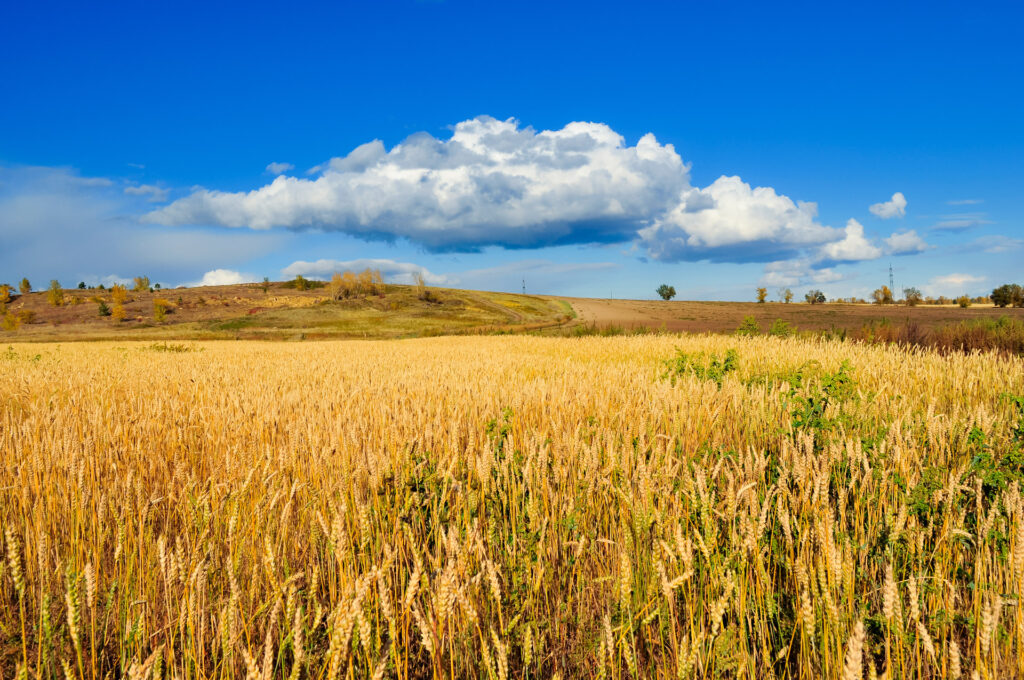
The intensifying war between Russia and Ukraine is now jeopardising the world’s food supply, with repercussions felt across Europe, Africa and Asia. The Black Sea corridor—often dubbed the planet’s breadbasket—has been crippled as Russian artillery and armored units force Ukrainian cultivators to leave their fields and keep key grain‑export ports closed.
With millions displaced or struggling to survive, international food markets are under direct pressure. Analysts warn that if hostilities continue, shortages of wheat and other staple grains could materialise as early as July. Since the invasion began, global wheat prices have risen by roughly 55 %, pushing the cost of basic foodstuffs toward levels not seen since 2011.
Russia and Ukraine together provide almost one‑third of worldwide wheat and barley shipments. Ukraine also supplies a large share of corn and leads global production of sunflower oil, a critical input for food‑processing firms. The shutdown of Black Sea exports therefore risks a cascade of price hikes, beginning with livestock feed and spilling over into meat and dairy products as farmers pass higher costs onto consumers.
European Preparations and Market Strain
European authorities are already bracing for reduced imports of Ukrainian commodities. The surge in feed prices has already nudged up the cost of animal husbandry, and the region anticipates further pressure on meat and dairy markets. In addition, Russia accounts for 40 % of the EU’s natural‑gas supply and remains a major source of fertilizer, wheat and other agricultural inputs, deepening the continent’s exposure to supply shocks.
Spain exemplifies the strain: supermarkets have begun rationing sunflower oil, while grain shortages threaten the feed required for roughly 55 million pigs across the EU. Since October, Spanish pork producers have reported financial losses linked to soaring feed costs, a situation compounded by China’s stockpiling of pig feed as it recovers from African swine fever.
Africa’s Growing Vulnerability
The conflict’s impact is already being felt on the African continent. In 2020, African nations imported about $4 billion worth of Russian agricultural products, with wheat comprising roughly 90 % of those imports. South Africa’s Agricultural Business Chamber chief economist, Wandile Sihlobo, warned that the war could severely undermine the continent’s food security.
In Kenya, citizens have taken to social media demanding lower food prices as inflation erodes purchasing power, a concern that is expected to intensify. Nigeria’s flour millers anticipate that a shortfall in Russian wheat will push bread prices higher. In response, Nigeria is encouraging domestic wheat cultivation with the aim of meeting 70 % of its own demand within five years, signalling a strategic shift toward self‑sufficiency.
Asia and the Wider Global Picture
Indonesia, a major consumer of wheat for noodles, bread and snacks, sourced 26 % of its wheat from Ukraine last year, ranking it as the country’s second‑largest supplier. Any disruption to Ukrainian shipments is likely to lift noodle prices, disproportionately affecting low‑income families that rely on these affordable foods.
In the United States, the world’s top corn exporter, farmers are watching closely to see whether U.S. exports will rise to fill the gap left by Russian and Ukrainian output. Meanwhile, the EU remains dependent on Ukraine for just under 60 % of its corn and nearly half of the grain needed for livestock feed.
Implications for the Middle East
Egypt, which depends heavily on inexpensive wheat imports from both Moscow and Kyiv, has already cancelled two major wheat contracts within a single week due to soaring prices and a shortage of willing sellers. The spike threatens the nation’s ability to keep subsidised bread affordable—a cornerstone of social stability.
Outlook
The war that began as a regional conflict has morphed into a global humanitarian and economic crisis, exposing the fragility of international food supply chains. Nations are scrambling to secure alternative sources, but without a swift diplomatic resolution that reopens Black Sea trade routes, the risk of widespread food shortages and escalating prices remains high, endangering the livelihoods of millions worldwide.




