
On March 21, 2022, the Securities and Exchange Commission voted 3‑1 to put forward a rule‑making initiative that would obligate public companies to report their greenhouse‑gas emissions and climate‑related risks. The move is framed as part of a wider governmental push to confront climate change. Under the proposal, firms would need to detail both the financial costs of shifting away from fossil fuels and the physical effects of events such as storms, droughts, and rising temperatures linked to global warming.
The disclosure requirements extend to direct and indirect emissions. Companies would have to account for gases released from their own operations as well as those stemming from the use of their products, employee business travel, transportation vehicles, and the energy consumed to grow raw materials. In addition, firms would be required to outline transition plans that explain how they intend to meet climate goals, track progress toward those goals, and assess the impact of severe weather on their financial performance.
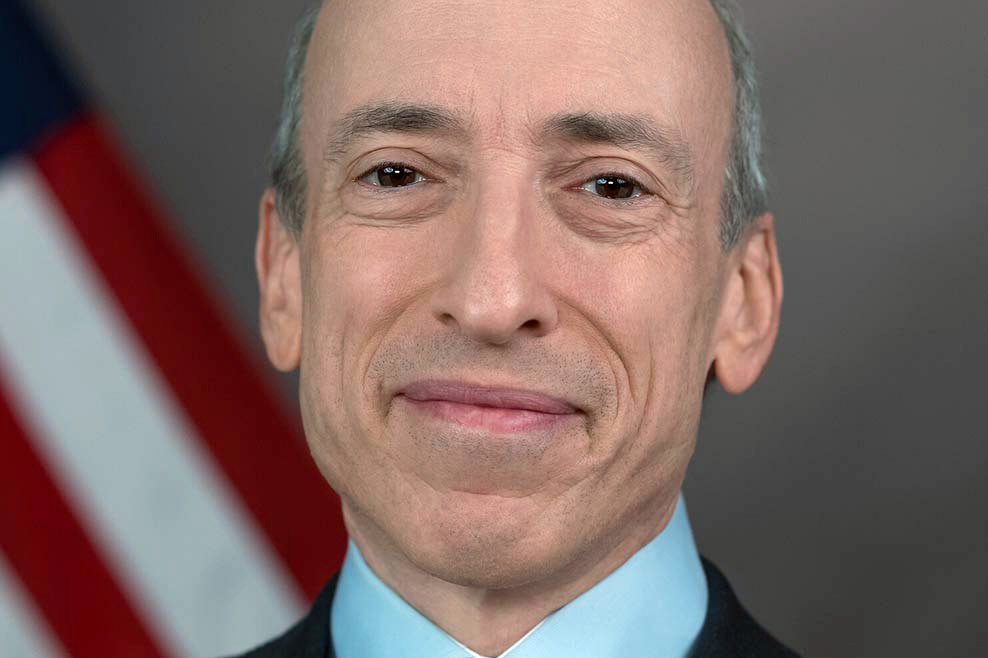
SEC Chairman Gary Gensler endorsed the initiative, stating that “Companies and investors alike would benefit from the clear rules of the road” embedded in the proposal. The plan has drawn backing from climate activists and investor groups who argue that mandatory reporting would give investors a fuller view of corporate risks and opportunities. Conversely, major business organizations and Republican officials have warned that the rules could impose significant costs and exceed the SEC’s statutory authority.
Commissioner Hester Peirce, the lone Republican on the five‑member board, voted against the measure. She cautioned that “We cannot make such fundamental changes without harming” companies, investors, and the agency itself, adding that “The results won’t be reliable, let alone comparable.” Her opposition highlights the partisan split evident in the vote.
The SEC’s proposal aligns with other federal actions. In May 2021, President Joe Biden issued an executive order urging concrete steps to blunt climate risks while stimulating job creation and cutting U.S. greenhouse‑gas emissions. The order set a target of reducing emissions by as much as 52 percent below 2005 levels by 2030 and adopting a clean‑energy standard to achieve carbon‑free electricity by 2035. The Financial Stability Oversight Council has also warned that climate change threatens the stability of financial institutions and the broader system.
Industry groups such as the U.S. Chamber of Commerce and the American Petroleum Institute contend the SEC is overreaching and that the reporting mandates would burden businesses financially. A coalition of 16 Republican state attorneys general, led by Patrick Morrisey of West Virginia, has similarly objected, asserting that companies are best placed to decide how to respond to evolving market demands from customers and investors. Morrisey has previously signaled a willingness to sue the SEC over expanded environmental, social, and governance disclosures, suggesting that litigation could accompany the rule’s progression.
Should the proposal survive these challenges, it would markedly increase the climate‑related information available to investors. Greater transparency aims to provide a more comprehensive picture of corporate risks and opportunities and to encourage firms to actively manage their climate exposure. Supporters view the initiative as a crucial step toward addressing climate‑change risks and fostering a more sustainable economic future, bolstered by the backing of the Biden administration and other federal agencies. As Chairman Gensler noted, the rules would furnish “clear rules of the road” for companies and investors alike, helping to steer the market toward greater sustainability.




