
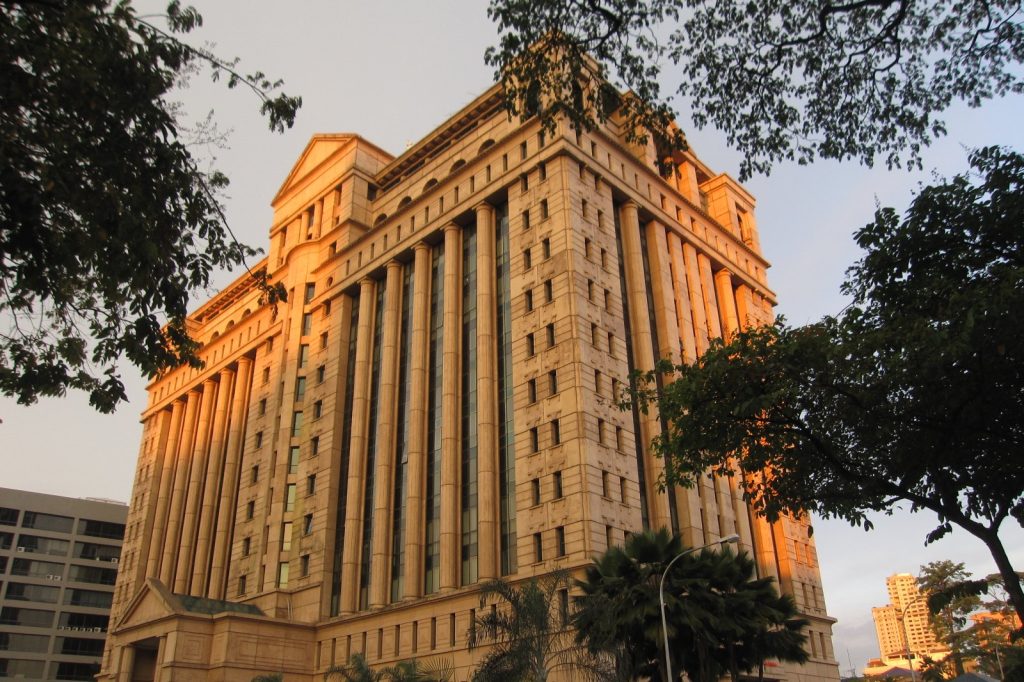
For many Malaysians, the performance of Bursa Malaysia and the value of the ringgit can have a significant impact on their daily lives. A stronger or weaker currency can affect the cost of living, the price of goods, and even the ability to afford basic necessities. On Wednesday, the Malaysian ringgit fell to a 24-year low against the US dollar, reaching 4.5028, its lowest level since 1998.
This decline can have far-reaching consequences for individuals, families, and communities across the country. The ringgit’s weakness against the US dollar can make imports more expensive, potentially leading to higher prices for consumers.
This, in turn, can affect the purchasing power of Malaysians, particularly those living in urban areas where the cost of living is already high. However, the ringgit’s performance against other currencies was more positive, with a 0.61% gain against the pound sterling to 5.1754, a 0.34% gain against the Euro to 4.4611, and a 0.12% gain against the Singapore dollar to 3.1987.
Market Performance
Despite the ringgit’s weakness, Bursa Malaysia finished higher on Wednesday, with the FBM KLCI rising 3.08 points, or 0.21%, to 1,491.35. The market moved between 1,492.19 and 1,483.29 throughout the day, with 2.36 billion shares valued at RM1.62 billion changing hands. Among the gainers on Bursa Malaysia, PMB Technology-LA rose RM3.12 to RM19.62, PETRONAS Dagangan added 62 sen to RM21.52, and PETRONAS Chemicals gained 26 sen to RM9.
However, not all stocks performed well, with Malaysian Pacific Industries shedding 34 sen to RM29.16, Hengyuan easing 27 sen to RM4.59, and Petron Malaysia falling 16 sen to RM4.78. Foreign investors and retailers were net sellers at RM42 million and RM16 million respectively, while local institutions were net buyers at RM58 million.
The broader market saw losers outnumbering gainers 477 to 348, with 428 counters unchanged.
Regional Market Trends
The performance of Bursa Malaysia was in contrast to other regional markets, with MSCI’s Asia ex-Japan stock index falling 1.22%. Japan’s Nikkei 225 declined 0.71% to 27,430.30, while South Korea’s Kospi index closed down 1.39% at 2,376.46. Hong Kong’s Hang Seng Index fell 0.83% to 19,044.30. However, China’s CSI 300 index added 0.067% to 4,054.98, and the Shanghai Composite index ended up 0.088% to 3,246.29.
Looking Ahead
As the Malaysian economy continues to navigate the challenges of a weakening currency and volatile market conditions, investors and consumers alike will be watching closely for any signs of stability or recovery. With the ringgit at a 24-year low against the US dollar, the coming days and weeks will be crucial in determining the direction of the economy. As the market continues to evolve, it will be important to monitor the performance of Bursa Malaysia, the value of the ringgit, and the broader regional market trends to gauge the potential impact on the lives of Malaysians and the overall health of the economy. What to watch next will be the reaction of foreign investors, the performance of key stocks, and the potential effects of the weakening ringgit on the cost of living and the overall economic landscape.




